Showing 24 artworks out of 67 with Francis Bacon and with Psychological Art

-
Francis Bacon
-
Psychological Art
Not available for this selection
- Expressionism
- Expressionist Painting
- Surrealist Expression Surrealism
- Contemporary Realism
- Surrealism
- Surrealist Expression
- Expressionist
- Expressionist Minimalism
- Expressionism Expressionism
- Cubism
- Contemporary Expressionism
- Surrealist Movement Surrealist Movement
- Expressionist Distortion
- Expressionist Portraiture
- Expressionistic
- Expressionistic Horror
- Expressionistic Realism
- Expressionistic Surrealism
- Neo-Figuration
- Surrealism Surrealism
- Surrealist
- See all
- Black
- Espresso
- Phthalo Green
- Quinacridone Magenta
- Rosy Brown
- Putty
- Walnut
- Gray
- Driftwood
- Brown
- Celadon
- White
- Sap Green
- Cobalt Violet
- Clay
- Mahogany
- Bronze
- Khaki
- Coral
- Psychological Art
- Francis Bacon
- Expressionism
- Surrealism
- Portrait Painting
- Dublin Artist
- Irish Artist
- Postwar Art
- Dark Palette
- Abstract Portrait
- Portraiture
- British Painter
- British Art
- Abstract Expressionism
- Distortion
- Disturbing Imagery
- Contemporary Art
- Modern Art
- Bacon Painting
- Figure Painting
- Anxiety
- Distorted Form
- Portrait Study
- Distorted Figure
- Vulnerability
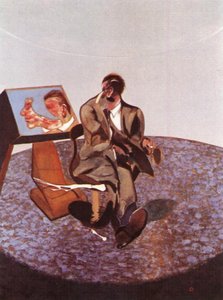
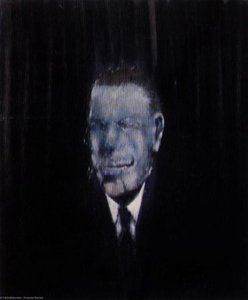
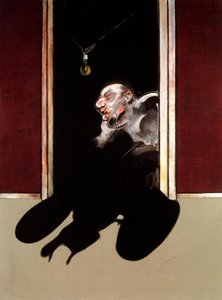
Francis Bacon’s ‘Portrait of George Dyer’ – a haunting reflection of modern anxiety. Explore this raw Expressionist masterpiece featuring distorted forms & symbolic depth.
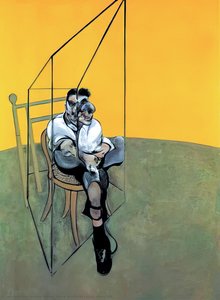
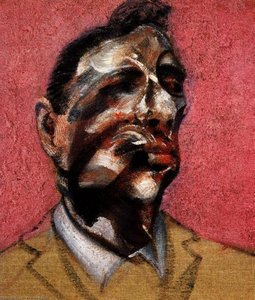
Francis Bacon’s "Three Studies of Lucian Freud" – a haunting triptych exploring isolation & rivalry. Bold lines, stark contrasts, and profound emotional depth. A masterpiece for art enthusiasts.
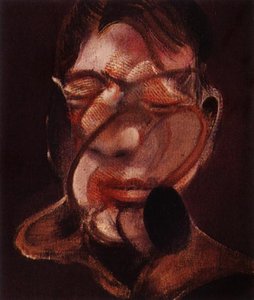
Three Studies of Muriel Belcher 3 by Francis Bacon – A haunting portrait featuring a man wearing a mask resembling human skin, reflecting Bacon’s exploration of psychological torment and visceral emotion.
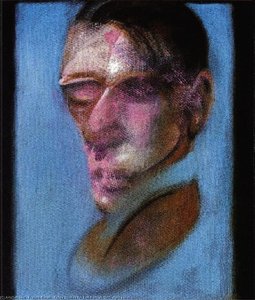
Francis Bacon’s ‘Three Studies for a Portrait’ – a hauntingly beautiful depiction of injury & vulnerability in thick impasto. Explore this iconic, unsettling masterpiece.
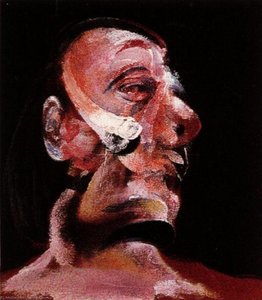
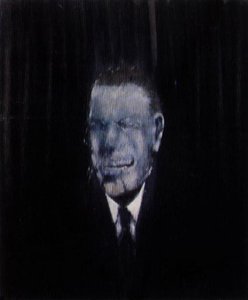
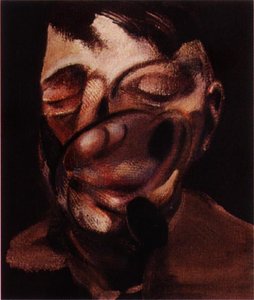
The painting depicts a man with a grotesquely distorted face, reflecting Bacon's preoccupation with psychological torment and the fragmentation of identity. Its unsettling imagery captures the artist’s visceral approach to portraying human emotion.
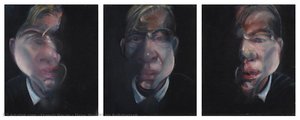
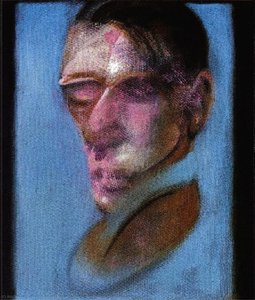
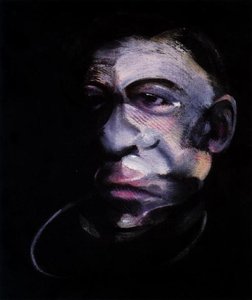
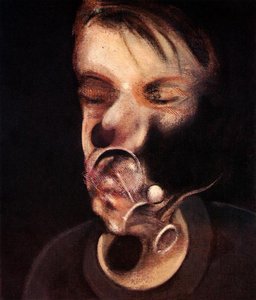
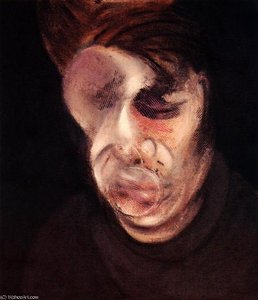
Explore Francis Bacon’s haunting 'Three Studies for Self-Portrait,' 1980 – a visceral depiction of distorted flesh and shadowed eyes capturing the artist's signature Expressionist style during the postwar era. Discover this iconic piece and bring its unsettling beauty into your home.
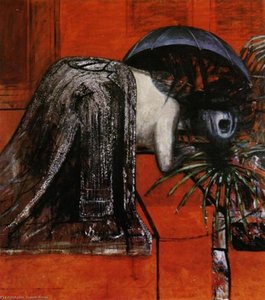
Delve into Francis Bacon's haunting 'Figure Study II,' capturing raw emotion and psychological depth through bold colors & unsettling composition—a cornerstone of post-war expressionism.
Delve into the haunting world of Francis Bacon with ArtsDot. Explore 25 iconic paintings, from his visceral portraits to powerful triptychs. Discover the stories behind these masterpieces & find museum-quality art reproductions for your home.
Francis Bacon, born in Dublin, Ireland, 1909, defied formal training to forge his own artistic path, absorbing influences from diverse sources and creating emotionally charged figurative paintings characterized by distorted forms and existential themes. His work explores vulnerability and brutality.
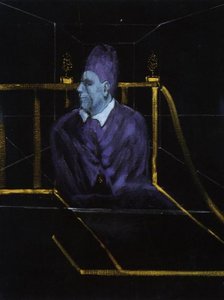
Man at Curtain by Francis Bacon – A haunting depiction of human vulnerability and isolation, characterized by distorted figures and stark contrasts against dark backgrounds.
Francis Bacon was born in Dublin, Ireland, and initially pursued horse racing before dedicating himself to painting in his late twenties. Influenced by diverse sources, he developed an expressionistic style marked by distortion and raw emotion.
Two Studies for Self-Portrait, 1977 (b) by Francis Bacon – A haunting depiction of the artist’s gaze, rendered in stark black and white with subtle textural variations. Explore Bacon's masterful use of form and emotion to convey profound psychological insight.
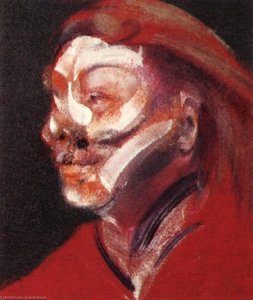
The painting depicts a man with a striking white face paint covering, wearing a red shirt and scarf, gazing intently at the viewer against a textured crimson backdrop. Bacon's signature style embodies visceral emotion and psychological exploration.
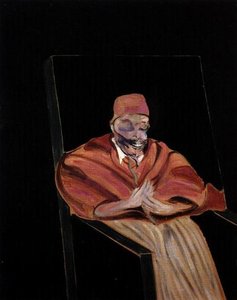
Study for a Pope IV - Francis Bacon A haunting depiction of mortality and psychological torment, this study captures the essence of Bacon's signature style – grotesque figures juxtaposed against stark backgrounds. The painting portrays a man with a skeleton face seated in a chair, embodying themes of decay and existential dread. Its unsettling imagery reflects Bacon’s preoccupation with human vul
Three Studies for Self-Portrait, Left (1974) - A haunting black and white photograph capturing Francis Bacon's introspective gaze as he contemplates his own visage.
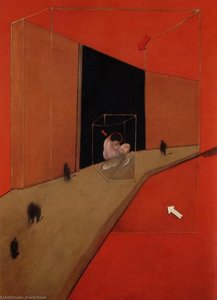
Francis Bacon’s 'Figures in a Street' (1983) is a haunting surrealist masterpiece. Explore its dramatic red & brown palette, unsettling composition & themes of isolation. A powerful work by the iconic Irish artist.
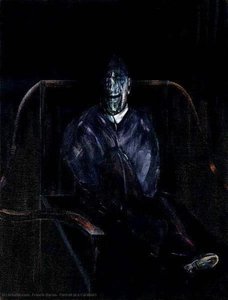
“Figure Seated (the Cardinal)” was created in 1955 by Francis Bacon in Expressionism style. Find more prominent pieces of portrait at WikiArt.org – best visual art database. Francis Bacon, a name synonymous with the rawest emotionality in 20th-century art, was born in Dublin, Ireland, in 1909, yet his artistic spirit found its truest expression within the turbulent landscape of post-war Britain. H
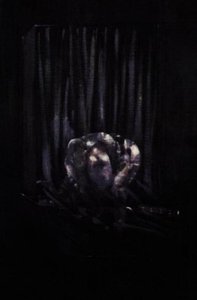
This Study for Nude by Francis Bacon exemplifies Expressionism’s raw emotional intensity. Created in 1951, the painting depicts a nude figure enveloped within heavy curtains, conveying themes of confinement and psychological distress. Bacon utilized thick gestural strokes with oil paints to achieve textural depth and dramatic contrasts—a testament to his distinctive artistic vision.
Two Studies for Self-Portrait, left - This haunting black and white painting by Francis Bacon depicts a man with a severely scarred face, capturing the artist's signature exploration of pain and psychological torment. A visceral portrayal of vulnerability and distortion.
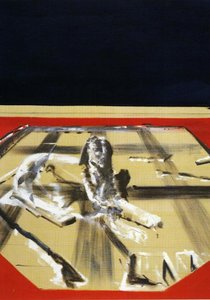
Explore Francis Bacon's iconic ‘Sphinx II,’ a haunting Expressionist masterpiece capturing existential anguish through fragmented form and bold color palettes. Discover its influence on modern art.