Showing 20 artworks with Francis Bacon and with Trauma
-
Francis Bacon
-
Trauma
Not available for this selection
- Black
- Espresso
- Putty
- White
- Quinacridone Magenta
- Brown
- Driftwood
Not available for this selection
- Trauma
- Surrealism
- Expressionism
- Distortion
- Francis Bacon
- Portraiture
- British Art
- Anxiety
- Painting
- Bacon
- Anatomy
- Emotion
- Ireland
- Psychological Art
- Monochrome Painting
- Horror
- Horror Art
- Darkness
- Portrait Painting
- Dublin
- Figures
- Dark Palette
- Attendants
- 1968
- Abstract
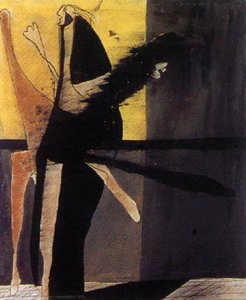
Composition, 1933 by Francis Bacon - This iconic painting depicts a woman cradling a giraffe, embodying Bacon’s signature exploration of primal emotion and psychological torment. Inspired by Jessie Lightfoot's influence and reflecting his turbulent upbringing, it showcases Bacon's distinctive style—a haunting blend of realism and abstraction.
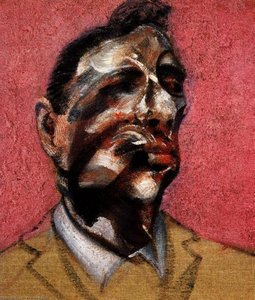
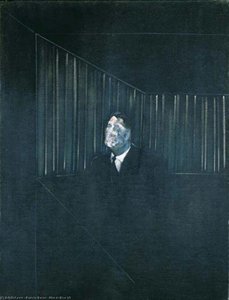
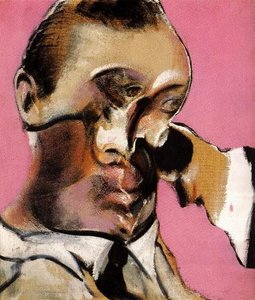
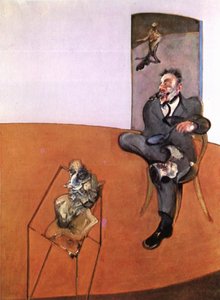
The painting depicts a man with a grotesquely distorted face, reflecting Bacon's preoccupation with psychological torment and the fragmentation of identity. Its unsettling imagery captures the artist’s visceral approach to portraying human emotion.
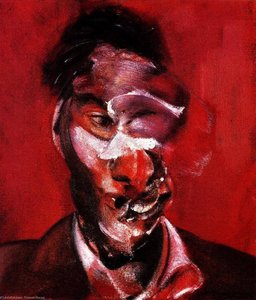
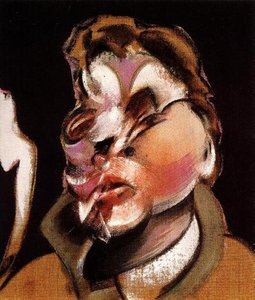
The image depicts a man's face against a stark red backdrop, characterized by distorted features and exaggerated expressions—a disconcerting portrayal reflecting Bacon’s exploration of psychological torment.
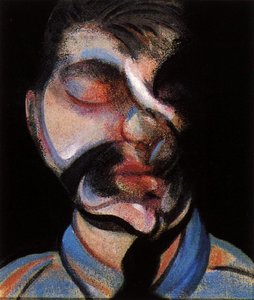
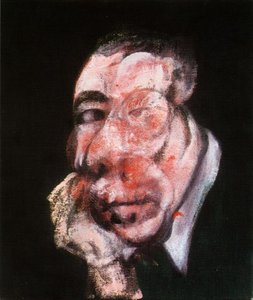
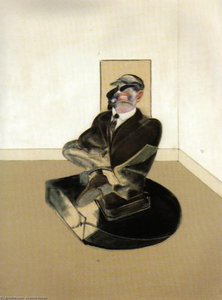
The painting depicts a man with closed eyes and a distorted face, wearing a tie. It’s an unsettling expressionist piece by Francis Bacon titled "Three Studies for Self-Portrait, 1972 Right." The composition evokes tension and unease.
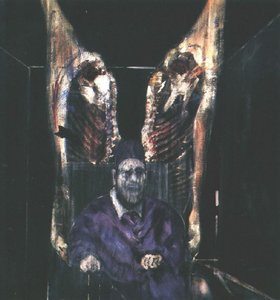
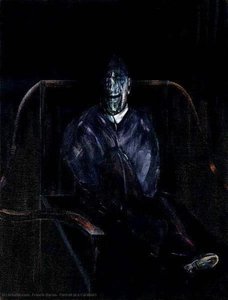
“Figure Seated (the Cardinal)” was created in 1955 by Francis Bacon in Expressionism style. Find more prominent pieces of portrait at WikiArt.org – best visual art database. Francis Bacon, a name synonymous with the rawest emotionality in 20th-century art, was born in Dublin, Ireland, in 1909, yet his artistic spirit found its truest expression within the turbulent landscape of post-war Britain. H
Two Studies for Self-Portrait, left - This haunting black and white painting by Francis Bacon depicts a man with a severely scarred face, capturing the artist's signature exploration of pain and psychological torment. A visceral portrayal of vulnerability and distortion.
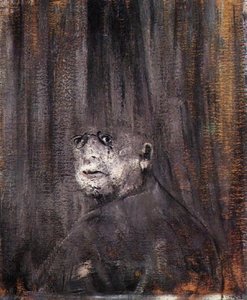
Head III (1961) by Francis Bacon – A haunting black and white portrait capturing the unsettling distortion of human emotion. Explore the visceral expressionism of this iconic piece.
Francis Bacon's 'Three Studies for a Portrait (1968)' captures raw emotion and existential angst through distorted figures, reflecting the turbulent post-war era. Explore this iconic Expressionist masterpiece.
Francis Bacon's 'Crucifixion' (1965) is a visceral and haunting triptych exploring existential anguish through distorted figures and intense color. Witness the raw emotion of this iconic masterpiece.
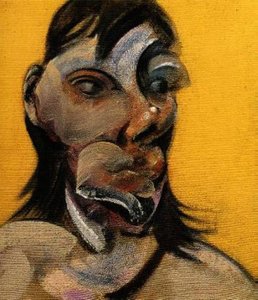
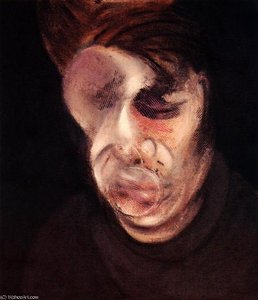
Three Studies of Henrietta Moraes II, 1969 A - This haunting painting by Francis Bacon depicts a woman with closed eyes and scarred skin against a vibrant yellow background, capturing the artist's signature exploration of pain and vulnerability.
Experience Francis Bacon's 'Head-VI,' a haunting 1949 painting exploring existential angst & trauma through distorted figures, surreal elements, and a screaming face inspired by silent film.
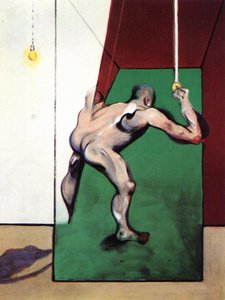
Man Turning On The Light (1973-74) - Francis Bacon A haunting depiction of vulnerability and transformation, this painting captures the essence of Bacon's signature style – distorted figures rendered in unsettling detail against a stark backdrop. Explore the psychological depth of this iconic artwork.
Head II by Francis Bacon – A haunting black and white portrait capturing raw emotion and psychological intensity. Painted in 1948, it’s part of a series exploring the human condition through distorted faces.
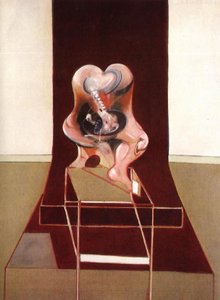
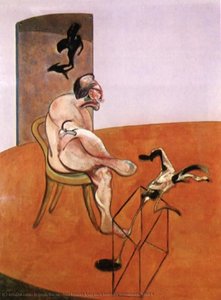
Triptych inspired by the Oresteia of Aeschylus (center panel), 1981 - This unsettling portrait captures Bacon's signature style—a naked figure slumped in a chair, rendered with grotesque distortions and muted colors—reflecting themes of trauma and psychological disintegration.
Three Studies for Portrait No. 1968 B by Francis Bacon – An expressive oil painting depicting a man with an open mouth and distorted facial features, primarily utilizing pink hues to convey emotion and capturing the unsettling beauty of existential angst.
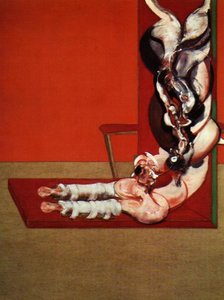
Francis Bacon's haunting 'Two Figures Lying on a Bed' (1968) explores trauma and vulnerability through distorted forms & unsettling imagery. A key work of the Expressionist master.
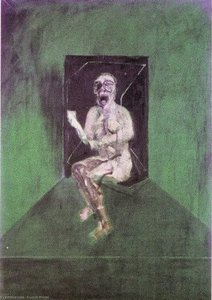
Study for Nurse - Expressionist Oil Painting by Francis Bacon A haunting depiction of female anguish rendered in vibrant greens, this piece captures the visceral intensity characteristic of Bacon's oeuvre. The painting showcases a woman seated rigidly in a chair with her mouth agape, conveying raw emotion and unsettling vulnerability. Explore the depths of human experience through this iconic art
Francis Bacon's 'Two Figures Lying on a Bed' (1968) delves into themes of trauma and vulnerability through grotesque distortions and disturbing visual elements—a cornerstone of Expressionist art.
“Seated Figure” by Francis Bacon (1961) explores themes of vulnerability and psychological torment through visceral imagery—a man seated on a stool with an open mouth against a brick wall backdrop—captured in Tate Britain’s Modern and Contemporary British Art collection.