Showing 24 artworks out of 99 with Francis Bacon

-
Francis Bacon
Not available for this selection
- Expressionism
- Surrealist Expression Surrealism
- Expressionist Painting
- Surrealism
- Surrealist Expression
- Contemporary Realism
- Expressionist
- Surrealism Surrealism
- Neo-Figuration
- Expressionism Expressionism
- Surrealist Surrealist
- Surrealist
- Surrealist Expressionism
- Surrealist Movement
- Expressionistic
- Surrealist Painting Surrealism
- Dreamlike Surrealist Expression Surrealism
- Expressionist Distortion
- Expressionist Figurative Painting
- Expressionist Painting Expressionist
- Expressionist Portraiture
- Expressionist Style
- Expressionist Surrealism
- Expressionistic Horror
- Expressionistic Surrealism
- See all
- Espresso
- Black
- Phthalo Green
- Putty
- Quinacridone Magenta
- Driftwood
- Walnut
- Brown
- Rosy Brown
- White
- Gray
- Cobalt Violet
- Coral
- Mahogany
- Clay
- Celadon
- Bronze
- Francis Bacon
- Surrealism
- Expressionism
- Psychological Art
- Portraiture
- Portrait Painting
- Dublin Artist
- Dark Palette
- British Art
- Irish Artist
- Bacon
- Anxiety
- Modern Art
- Darkness
- Isolation
- Abstract Expressionism
- Postwar Art
- Painting
- Disturbing Imagery
- Figure Painting
- Bacon Painting
- Distortion
- Intense Emotion
- Portrait
- British Painter
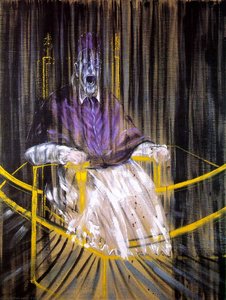
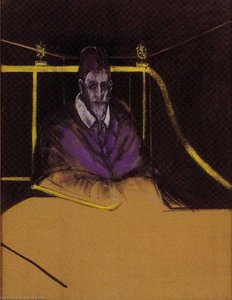
Francis Bacon’s haunting ‘Study After Velázquez’s Portrait of Pope Innocent X’ – a masterpiece of expressionism. Explore its dark allure & powerful symbolism.
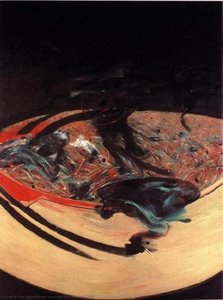
Francis Bacon’s 'Landscape near Malabata' is a visceral Expressionist oil painting exploring mortality & decay through intense texture & unsettling forms. A powerful, claustrophobic study of the human condition.
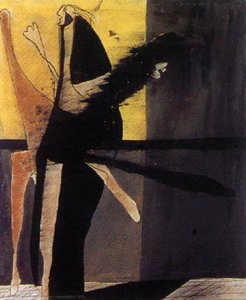
Composition, 1933 by Francis Bacon - This iconic painting depicts a woman cradling a giraffe, embodying Bacon’s signature exploration of primal emotion and psychological torment. Inspired by Jessie Lightfoot's influence and reflecting his turbulent upbringing, it showcases Bacon's distinctive style—a haunting blend of realism and abstraction.
This description highlights the key elements of the artwork: the artist, the subject matter (emotional distortion), and the overall feeling conveyed. It's designed to be engaging for potential buyers interested in Bacon’s work.
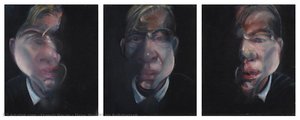
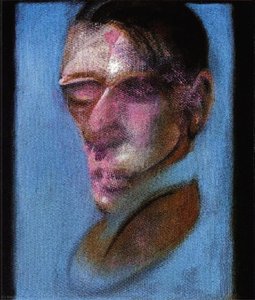
Three Studies for Self-Portrait, 1980, Center Panel - This iconic piece by Francis Bacon showcases an unsettlingly realistic depiction of a man's face—a haunting exploration of identity and emotion characterized by exaggerated features and a striking blue background.
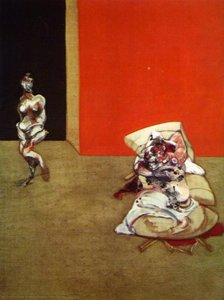
An unsettling plunge into psychological distress defines this visceral Expressionist masterpiece by Francis Bacon that captures the raw isolation of post-war Europe and invites you to explore its haunting depths.
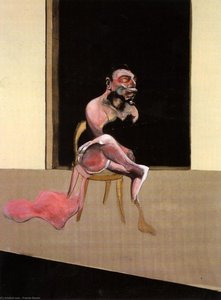
Triptych, August 1972 A - This unsettling painting depicts a man slumped on a chair with his head bowed, capturing Bacon's signature exploration of psychological torment and visceral emotion. Influenced by Surrealism and Expressionism, it showcases a haunting gaze and a desolate interior.
A haunting portrait by Francis Bacon captures the profound sorrow and isolation of human experience. Featuring a man slumped on the floor with his head bowed, the painting embodies Bacon's signature style—bold colors and distorted figures—creating an emotionally charged masterpiece.
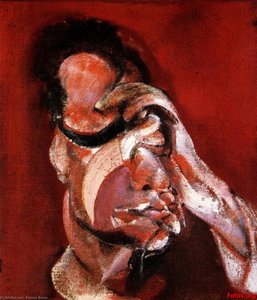
Three Studies for a Portrait Left by Francis Bacon – An evocative oil painting depicting a man with his hand over his face, framed by glasses and a beard against a textured red cloth background. This unsettling portrait captures the artist's signature style of visceral expressionism.
Experience the raw emotion of Francis Bacon's 'Homme con perro.' This unsettling black & white painting captures isolation and anxiety through distorted figures, primal instincts, and a claustrophobic atmosphere.
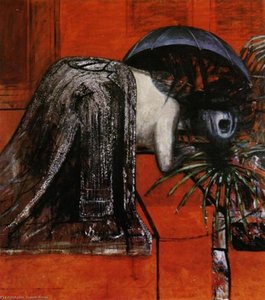
Delve into Francis Bacon's haunting 'Figure Study II,' capturing raw emotion and psychological depth through bold colors & unsettling composition—a cornerstone of post-war expressionism.
Delve into the haunting world of Francis Bacon with ArtsDot. Explore 25 iconic paintings, from his visceral portraits to powerful triptychs. Discover the stories behind these masterpieces & find museum-quality art reproductions for your home.
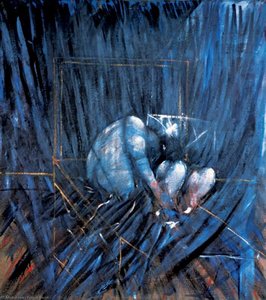
Francis Bacon’s "Crouching Nude" – a haunting expressionist masterpiece of confinement & despair. Explore this iconic 1952 painting's raw emotion and unique style.
This evocative portrait by Francis Bacon captures a moment of quiet contemplation amidst a windswept landscape. The artist’s masterful depiction conveys profound emotion and psychological depth, reflecting his signature style.
Francis Bacon, born in Dublin, Ireland, 1909, defied formal training to forge his own artistic path, absorbing influences from diverse sources and creating emotionally charged figurative paintings characterized by distorted forms and existential themes. His work explores vulnerability and brutality.
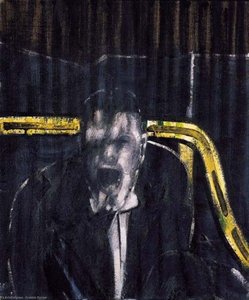
Study for Portrait, Man Screaming (1952) - Francis Bacon A haunting depiction of human anguish captured in expressive brushstrokes. This study explores themes of vulnerability and psychological torment, reflecting Bacon’s signature style. Meta Description: Experience the visceral intensity of Francis Bacon's 'Study for Portrait.' Explore raw emotion & unsettling imagery—a masterpiece of 20th-cen
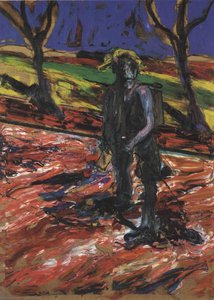
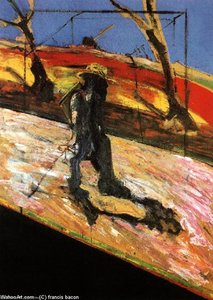
Study for a Portrait of Van Gogh II, 1957 - Francis Bacon's haunting depiction captures the tormented spirit of Vincent van Gogh through a striking juxtaposition of figures and a vibrant red field. Explore the visceral emotion and symbolic depth of this iconic artwork.
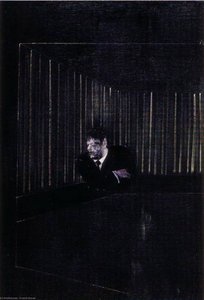
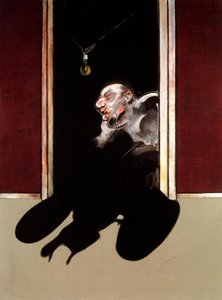
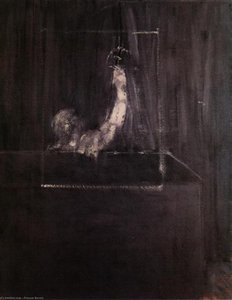
Man at Curtain by Francis Bacon – A haunting depiction of human vulnerability and isolation, characterized by distorted figures and stark contrasts against dark backgrounds.
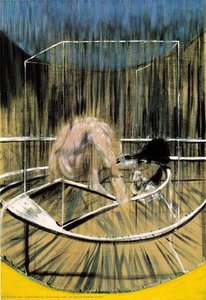
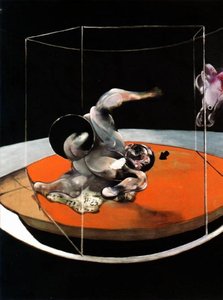
Experience the visceral intensity of Francis Bacon's 'Figures in Movement' (1976). This haunting painting captures raw emotion and distorted forms, reflecting the artist’s exploration of trauma & the human condition. Own a unique piece of modern art.
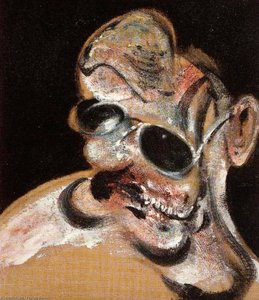
Portrait of Man with Glasses III, 1963 - This striking oil painting by Francis Bacon captures the unsettling gaze of a man obscured by sunglasses. Executed in 1963, it exemplifies Bacon's signature style – visceral emotion conveyed through distorted forms and textures.
Experience the visceral tension of Francis Bacon's 1953 masterpiece Two Figures in the Grass, a haunting post-war study of human vulnerability and raw emotion that invites you to explore the depths of expressionism.
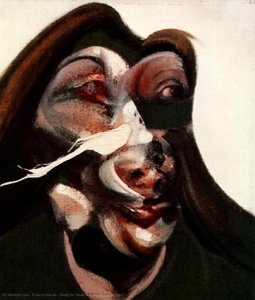
Study for Head of Isabel Rawsthorne I by Francis Bacon – A haunting portrait featuring a bird perched on the subject’s nose, capturing a moment of unsettling tension and visceral emotion.
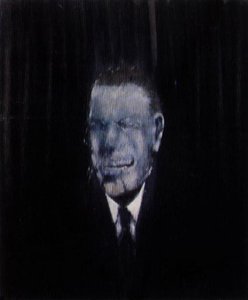
The painting "Study for a Portrait 3" by Francis Bacon is an expressionist depiction of a head with an open mouth, conveying intense emotion through close-up facial features and unsettling imagery.