Showing 8 artworks with Francisco José De Goya Y Lucientes and with 1797 and with Statement
-
Francisco José De Goya Y Lucientes
-
1797
-
Statement
Not available for this selection
- Gray
- Black
- Phthalo Green
- Driftwood
- Rosy Brown
- White
- Spanish Art
- Baroque
- Goya
- Oil Painting
- Francisco De Goya
- 18Th Century Art
- Francisco Goya
- Romanticism
- 1797
- Witchcraft
- Goya Masterpiece
- Portrait
- Dramatic Lighting
- Duchess Of Alba
- Fine Art Reproduction
- 1798
- Satan
- Classical Nude
- Emotional Expression
- Dramatic Artwork
- Moody
- Spain
- Domestic Violence Art
- Rich Colors
- Enlightenment
- Black Dress
- Dark Tones
- Prado Museum
- Muted Palette
- Supernatural
- Detailed Artwork
- Romantic Painting
- Ritual
- Portraiture Style
- Inquisition
- Historical Figure
- Mysticism
- Melendez Valdes
- Nude Portrait
- Spanish Art History
- Darkness
- La Maja Desnuda
- Goya Painting
- Portrait Painting
- Elegant
- Demons
- Violence Against Women
- Spanish Beauty
- Devil'S Lamp
- Historical Art
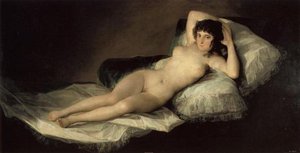
Discover Francisco Goya’s ‘La Maja Desnuda,’ a captivating nude masterpiece from 1797. Explore its Romantic style, historical intrigue & timeless beauty at the Prado Museum.
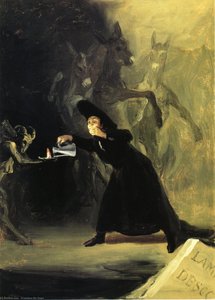
Francisco Goya's 'The Devil’s Lamp' (1798) is a haunting oil painting depicting a man battling supernatural forces. Explore its eerie symbolism, historical context & artistic mastery at ArtsDot.
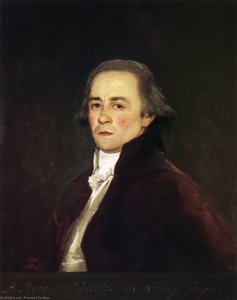
Francisco Goya's 'Juan Antonio Melendez Valdes' (1797) is a captivating portrait revealing the Spanish Enlightenment era. Explore its historical context, artistic style & Goya’s masterful technique.
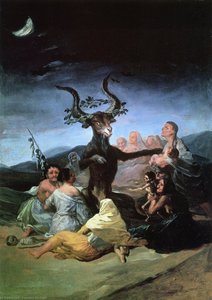
Experience Goya's haunting 'Witches’ Sabbath,' a 1798 oil painting depicting a dark ritual and the Inquisition. Explore its symbolism, Baroque style, and unsettling atmosphere – a masterpiece of Spanish art.
Explore other Goya masterpieces at ArtsDot.com.
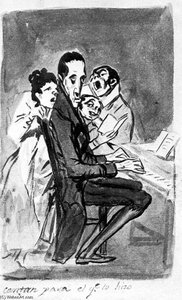
Francisco de Goya’s "They Sing for the Composer" (1797) – a dramatic lithograph depicting familial betrayal. Explore its satirical style, distorted perspective & powerful emotional impact.