Showing 24 artworks out of 49 with Francisco José De Goya Y Lucientes and with 1799 and with 18th Century Art
-
Francisco José De Goya Y Lucientes
-
1799
-
18th Century Art
Not available for this selection
- Gray
- Espresso
- Phthalo Green
- White
- Putty
- Rosy Brown
- Sap Green
- Celadon
- 18Th Century Art
- Francisco Goya
- Spanish Art History
- Romanticism Art
- Romantic Art
- Spanish Painter
- Fine Art Reproduction
- Symbolic Imagery
- Goya Masterpiece
- Portraiture
- Social Commentary
- Monochromatic Print
- Dramatic Lighting
- Copper Plate Printing
- Black And White Print
- Etching Technique
- Los Caprichos Series
- Goya Etching
- Etching
- Spanish Baroque
- Dark Romanticism
- Satirical Art
- Black And White Art
- Los Caprichos Etching
- Spanish Art
- Etching Engraving
- Etching Printmaking
- Dark Satire
- Romantic Art Style
- Spanish Painting
- Romanticism
- Art History
- Dark Art Prints
- Printmaking Technique
- Social Satire
- Dark Satire Art
- Francisco De Goya
- Human Suffering
- Symbolic Art
- Psychological Portrait
- Line Drawing Technique
- Symbolism
- Spanish Etching
- Goya Style
- Victorian Era Art
- Dark Humor
- Romantic Painting
- Art History Goya
- Goya Prints
- 1799 Artwork
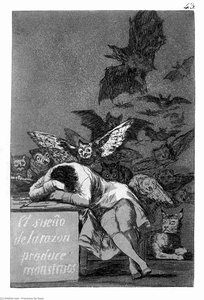
This etching by Francisco José de Goya y Lucientes is a chilling depiction of reason succumbing to irrationality. Featuring a sleeping man surrounded by bats, owls, and cats beneath the inscription ‘El sueño de la razón produce monstruos,’ it exemplifies Goya’s Romantic style and masterful aquatint technique. Explore this iconic artwork in a stunning oil painting reproduction.
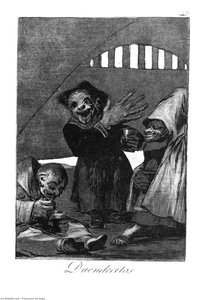
Discover Francisco Goya’s ‘Little Goblins,’ a haunting 1799 etching of grotesque children. Explore its Romantic style, unsettling themes & meticulous detail – a unique artwork.
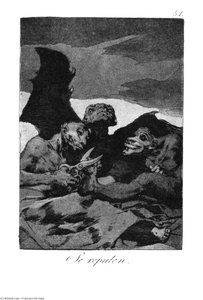
Francisco Goya’s ‘They Spruce Themselves Up’ – a stark 1799 etching depicting brutal violence & societal corruption. Explore its dark Romantic style, intricate hatching, and powerful symbolism.
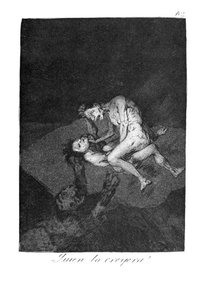
Goya’s 'Who Could Believe It!' – a haunting black-and-white etching of death & despair. Explore this Romantic masterpiece's raw emotion & Goya’s macabre style.
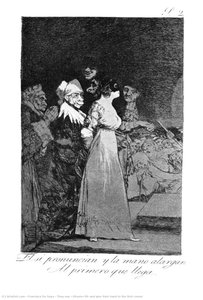
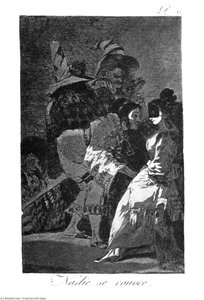
Goya’s ‘They Say Yes’ – a haunting 1799 etching depicting social upheaval & invasion. Explore this monochromatic masterpiece of Spanish Romanticism, showcasing Goya's masterful line work.
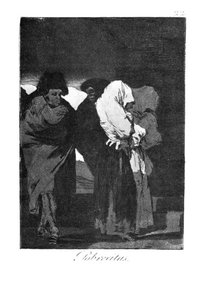
Francisco Goya’s "Poor little girls!" – a haunting 1799 etching of despair & social critique. Explore this Baroque masterpiece's textured style & emotional depth.
Explore Francisco Goya’s unsettling masterpiece ‘There is a lot to suck,’ from Los Caprichos – a haunting etching depicting grotesque figures and symbolic horror reflecting societal anxieties.
This artwork showcases Goya’s masterful use of etching technique to convey emotion and critique societal norms. Explore its symbolism and artistic legacy.
'Birds of a Feather' by Francisco José de Goya y Lucientes (1799) is a striking black and white etching showcasing two figures contemplating an unseen subject. Executed in Romantic style, its dense hatching technique emphasizes texture and depth, reflecting Goya’s expressive approach to portraying human experience.
Explore Francisco Goya’s ‘The Naked Maja,’ a revolutionary 1798 oil painting showcasing raw realism & female autonomy. A masterpiece of Romanticism, captivating art lovers for centuries.
This etching, created in 1799 by Francisco José de Goya y Lucientes during his Romantic period, captures the essence of manual work amidst an overcast landscape. Featuring dynamic lines, meticulous hatching, and symbolic elements like birds, it exemplifies Goya’s signature style—characterized by loose forms and emotional intensity. Discover a stunning hand-painted reproduction at ArtsDot.
Francisco José de Goya y Lucientes (1746-1828) was a Spanish painter, printmaker, sculptor, and ceramicist whose work spanned genres from portraits to history paintings to satirical prints. He is renowned for his unflinching depictions of human suffering and social critique.
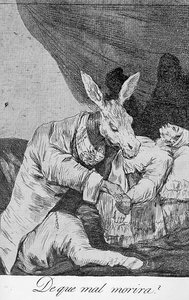
Explore Francisco Goya’s ‘What Will He Die Of?’ – a haunting Romantic etching depicting mortality & despair. Discover its dramatic chiaroscuro, symbolic depth, and artistic mastery.