Showing 7 artworks with Francisco José De Goya Y Lucientes and with 1799 and with Satirical Art
-
Francisco José De Goya Y Lucientes
-
1799
-
Satirical Art
Not available for this selection
- Phthalo Green
- Espresso
- Gray
- White
Not available for this selection
- Satirical Art
- Francisco Goya
- 18Th Century Art
- Romanticism Art
- Dramatic Lighting
- Los Caprichos Etching
- Romantic Art
- Spanish Baroque
- Human Suffering
- Spanish Painter
- Social Commentary
- Los Caprichos Series
- Etching Technique
- Emotional Expression
- Black And White Print
- Dark Romanticism
- Goya Printmaking
- Symbolic Imagery
- Monochromatic Print
- Art History Analysis
- Texture And Shading
- Witchcraft Symbolism
- Woman Figure
- Portrait Art Style
- Illness Depiction
- Spanish Art History
- Goya Masterpiece
- Donkey Artwork
- Psychological Portrait
- Hatching Technique
- Art History
- Etching Artwork
- Human Vulnerability
- Copper Plate Print
- Monochrome Printmaking
- Victorian Era Art
- Nightmare Imagery
- Student Portrait
- Allegory And Symbolism
- Hatching Texture
- Portrait Art
- Copper Plate Printmaking
- Chiaroscuro Technique
- Dark Humor Print
- Goya Technique
- Expressive Lines
- Printmaking Style
- Gust Of Wind
- Aquatint Print
- Etching
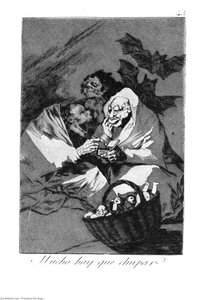
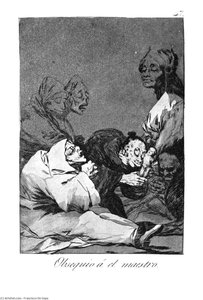
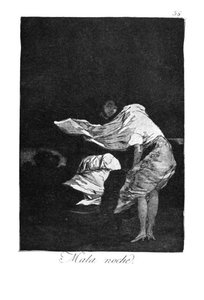
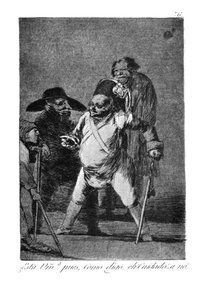
Explore Francisco Goya’s unsettling masterpiece ‘There is a lot to suck,’ from Los Caprichos – a haunting etching depicting grotesque figures and symbolic horror reflecting societal anxieties.
Francisco José de Goya y Lucientes (1746-1828) was a Spanish painter, printmaker, sculptor, and ceramicist whose work spanned genres from portraits to history paintings to satirical prints. He is renowned for his unflinching depictions of human suffering and social critique.
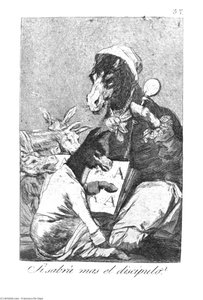
Francisco Goya’s "Will the Student Be Wiser?" (1799) is a poignant etching showcasing cynical wisdom. Explore this monochromatic masterpiece of satire & social commentary – a rare glimpse into Goya's world.
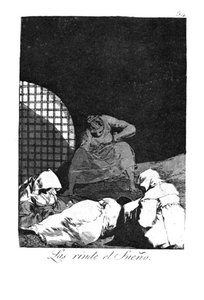
This striking black and white engraving portrays a scene of profound concern as figures surround a man suffering from ailment. Goya’s expressive lines and masterful use of tonal variation convey the somber mood of this pivotal work from Los Caprichos, reflecting his satirical vision.