Showing 20 artworks with Francisco José De Goya Y Lucientes and with 1799 and with Spanish Art
-
Francisco José De Goya Y Lucientes
-
1799
-
Spanish Art
Not available for this selection
- Espresso
- Putty
- Gray
- Rosy Brown
- Phthalo Green
- Sap Green
- White
- Spanish Art
- Francisco Goya
- Etching
- Romanticism
- Goya
- Satire
- Printmaking
- 18Th Century Art
- Dramatic Lighting
- Composition
- Black And White
- 1799
- Los Caprichos
- Portraiture
- Symbolic Imagery
- Baroque
- Black And White Print
- Art Deco Style
- Copper Plate Printing
- Portrait
- Symbolism
- Social Commentary
- Dramatic
- Human Suffering
- Dark Satire
- Dark Humor
- Monochromatic Print
- Romanticism Art
- Expressive Lines
- Chiaroscuro
- Art History
- Line Work
- Chaos
- Fine Art Reproduction
- Figures
- Darkness
- Vulnerability
- Monochrome
- Dramatic Composition
- Art
- Symbolic Art
- Etching Print
- Bird Symbolism
- Goya Prints
- Grayscale
- Monochromatic Gray
- Caprichos Series
- Anxiety
- Allegorical Imagery
- Aquatint
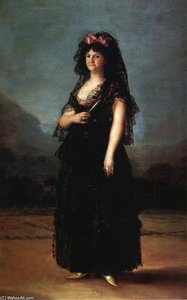
Experience Francisco Goya's 'Queen María Luisa Wearing a Mantilla' (1799). A stunning Spanish portrait capturing royal elegance & power, rendered in oil on canvas at Palacio Real Madrid.
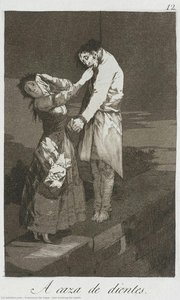
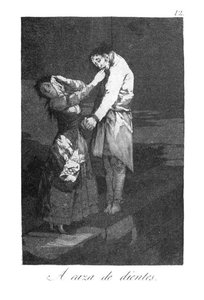
Francisco Goya's "Out Hunting for Teeth" (1799) depicts a haunting scene of violence and desperation, showcasing the artist’s dark vision & mastery of etching. Explore this iconic Capricho.
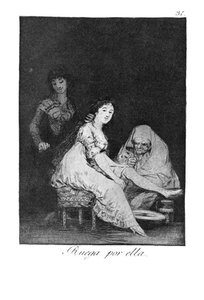
Francisco Goya's "She Prays for Her" (1799) is a haunting etching depicting vulnerability and faith amidst mystery. Explore the dramatic contrasts & symbolic depth of this iconic Spanish masterpiece.
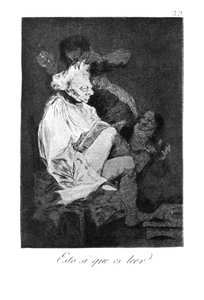
Francisco Goya's 'This Certainly Is Reading' (1799) is a haunting etching depicting chaos and conflict within a domestic scene, reflecting social critique & human suffering. Explore its symbolism and masterful technique.
This evocative etching portrays a disturbing confrontation between two figures, highlighting Goya's masterful use of hatching and cross-hatching to convey tension and despair. Inspired by the series ‘Los Caprichos,’ it exemplifies Goya’s unflinching exploration of human vulnerability.
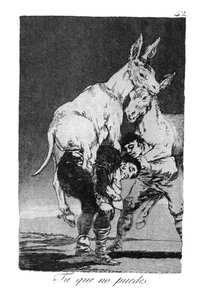
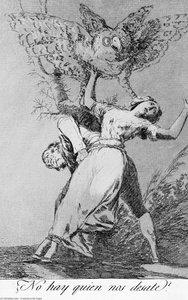
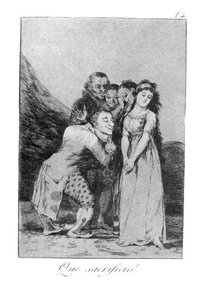
Francisco Goya's "They Who Cannot" is a haunting etching depicting oppression and absurdity through a stark monochrome composition. Explore the power dynamics and unsettling symbolism of this masterpiece.
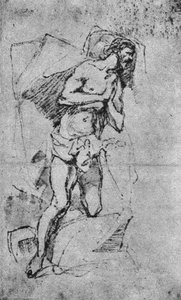
This etching, created in 1799 by Francisco José de Goya y Lucientes during his Romantic period, captures the essence of manual work amidst an overcast landscape. Featuring dynamic lines, meticulous hatching, and symbolic elements like birds, it exemplifies Goya’s signature style—characterized by loose forms and emotional intensity. Discover a stunning hand-painted reproduction at ArtsDot.
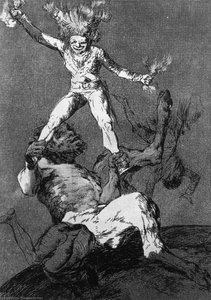
Francisco Goya's "Rise and Fall" is a dramatic etching depicting a precarious performance, showcasing his masterful use of line & shadow. Explore the unsettling scene & Goya’s unique artistic style.
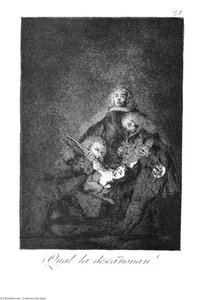
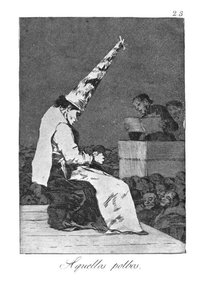
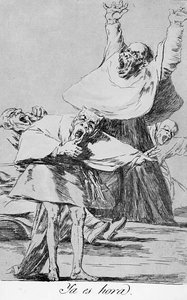
This etching by Francisco José de Goya y Lucientes, "Those Specks of Dust," portrays a chilling depiction of an auto-da-fé – a public trial for heresy – highlighting societal critique within Romanticism. Featuring a commanding clergyman and expressive figures illuminated by stark contrasts, it exemplifies Goya’s skill in capturing emotion and social commentary through etching technique.
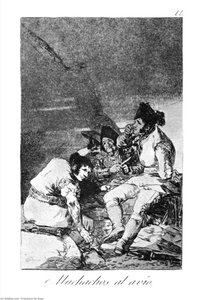
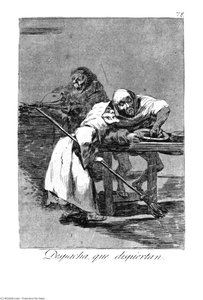
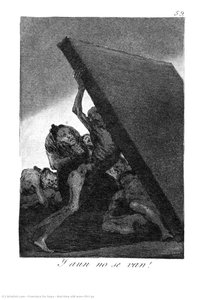
Explore "Be quick, they are waking up" (1799) by Goya – a haunting monochrome etching depicting poverty & desperation. A powerful example of Romanticism, perfect for collectors seeking impactful art.
Francisco Goya's 'They Pare' (1799) is a dynamic etching depicting a figure in motion, showcasing his masterful use of line and capturing a sense of vulnerability and introspection – a pivotal work from the artist’s career.
Francisco Goya (1746–1828): Explore the life & work of Spain's Romantic master. Known for portraits, dark satire & 'Disasters of War'. A pivotal figure in art history.
This etching by Francisco Goya depicts a scene of apparent struggle or frustration. The composition utilizes diagonal lines created by the furniture and the leaning bodies of the individuals involved, conveying tension and imbalance. Marked by Goya’s signature expressive lines and dark humor, it exemplifies Romanticism's stylistic boldness.
Witness Goya’s ‘The Third of May 1808’! A powerful Romantic masterpiece depicting Spanish resistance & war's brutality. Explore its symbolism, technique & historical impact.
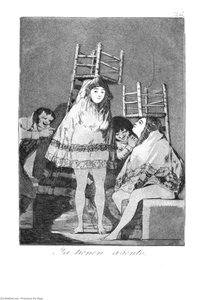
Francisco Goya’s "Now they are sitting well" – a haunting black & white etching depicting burdened children. Explore its social commentary & masterful technique.