Showing 5 artworks with Francisco José De Goya Y Lucientes and with 1819 and with Goya Artwork
-
Francisco José De Goya Y Lucientes
-
1819
-
Goya Artwork
Not available for this selection
- Espresso
- Black
- Phthalo Green
- Gray
Not available for this selection
- Goya Artwork
- Romantic Art
- Art Collector
- Spanish Painter
- Living Room Decor
- Fine Art Print
- Etching Print
- Oil Painting
- Home Decor
- 19Th Century
- Fine Art Reproduction
- Black White Art
- Gift Idea
- Wall Hanging
- Mount Olives
- Religious Scene
- Symbolic Imagery
- Dramatic Mood
- Melancholy Mood
- Early 19Th Century
- 19Th Century Painting
- Dark Colors
- Decorative Art
- Portraiture
- Eerie Atmosphere
- Emotional Depth
- Birds Painting
- Satirical Art
- Elegant Wall Art
- Jesus Christ
- Man Figure
- Circus Scene
- Decorative Print
- Black & White Print
- Dramatic Composition
- Dramatic Light
- Women Gathering
- Religious Icon
- Spiritual Art
- Catholic Art
- Biblical Scene
- Animal Illustration
- Wall Art Reproduction
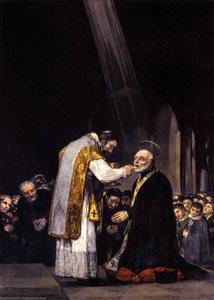
Francisco Goya’s haunting ‘The Last Communion of St. Joseph Calasanz,’ painted in 1819 during Spain's Romantic era, captures profound sorrow and spiritual devotion with expressive brushstrokes and muted colors—a timeless masterpiece to explore.
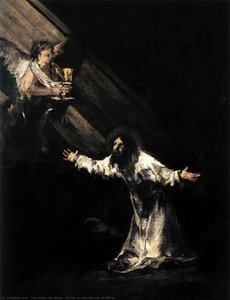
Francisco Goya’s haunting ‘Christ on the Mount of Olives,’ painted in 1819 during Romanticism, captures profound sorrow and spiritual yearning through masterful chiaroscuro—a dramatic interplay of light and dark—creating a timeless masterpiece for art lovers.
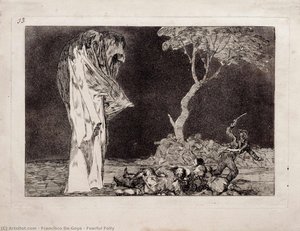
Francisco Goya’s haunting 'Fearful Folly' captures an unsettling mood amidst scattered birds—a masterful depiction of Spanish Romanticism that invites contemplation and offers a timeless glimpse into human vulnerability.
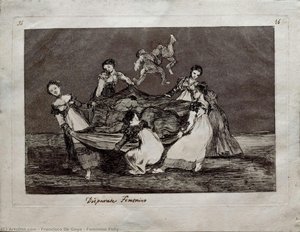
Francisco Goya’s haunting etching ‘Feminine Folly,’ from 1819, captures a vibrant scene of women draped in fabric—a masterful blend of expressive linework and textural detail reflecting Goya's late Romantic style. Explore this iconic artwork and bring its dramatic beauty into your home.
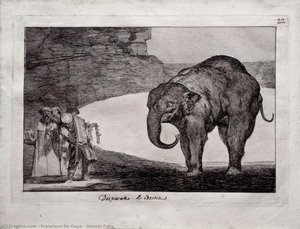
Francisco Goya’s haunting ‘Animal Folly,’ etched in exquisite detail during the Romantic era, captures a darkly satirical circus scene featuring elephants and human figures—a poignant commentary on exploitation rendered with expressive lines and dramatic chiaroscuro.”