Showing 24 artworks out of 62 with Francisco José De Goya Y Lucientes and with Etching
-
Francisco José De Goya Y Lucientes
-
Etching
Not available for this selection
- Espresso
- Gray
- Putty
- Rosy Brown
- Phthalo Green
- White
- Celadon
- Black
- Etching
- Francisco Goya
- Spanish Art
- Goya
- Romanticism
- Printmaking
- Black And White
- Satire
- Social Commentary
- Spain
- Dramatic Lighting
- Dramatic
- Symbolism
- Portraiture
- Composition
- Dark Satire
- Aquatint
- 18Th Century Art
- Romantic Art
- Dark Humor
- Chiaroscuro
- Monochrome
- Art History
- Expressive Lines
- 18Th Century
- Darkness
- Portrait
- Spanish Painting
- Violence
- Art
- Los Caprichos
- 1799
- Human Suffering
- Suffering
- Figures
- Expressionism
- Spanish Painter
- Despair
- Line Work
- Dramatic Composition
- Disasters Of War
- Symbolic Imagery
- Dark Art
- Black And White Art
- Vulnerability
- Engraving
- Baroque
- Chaos
- Isolation
- Printmaking Technique
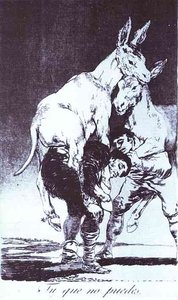
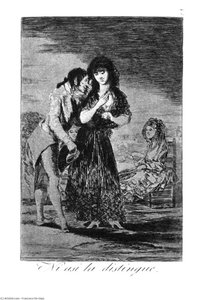
Explore Francisco Goya's 'Capricho 42: Thou Who Canst Not,' a satirical print critiquing Spanish society & religious hypocrisy. A masterpiece of the Romantic era, brimming with social commentary and artistic brilliance.
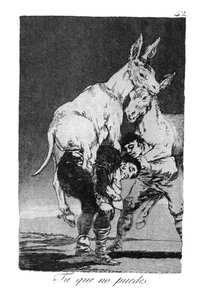
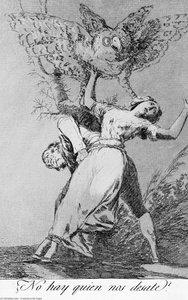
Francisco Goya's "They Who Cannot" is a haunting etching depicting oppression and absurdity through a stark monochrome composition. Explore the power dynamics and unsettling symbolism of this masterpiece.
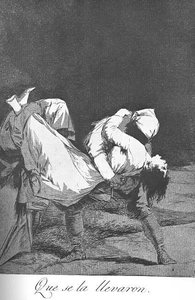
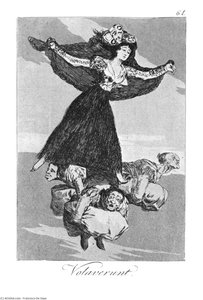
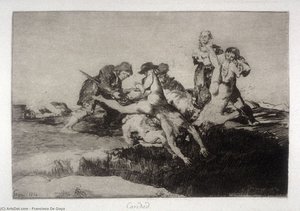
Witness the harrowing abduction depicted by Goya's 'They Carried Her Off.' This etching captures a dramatic scene of vulnerability and injustice, showcasing Goya’s masterful technique & social commentary.
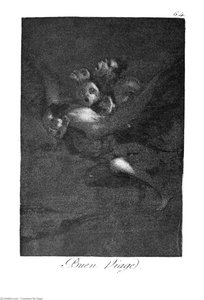
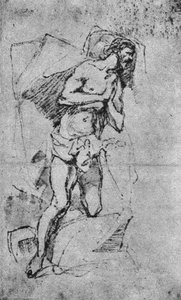
This etching, created in 1799 by Francisco José de Goya y Lucientes during his Romantic period, captures the essence of manual work amidst an overcast landscape. Featuring dynamic lines, meticulous hatching, and symbolic elements like birds, it exemplifies Goya’s signature style—characterized by loose forms and emotional intensity. Discover a stunning hand-painted reproduction at ArtsDot.
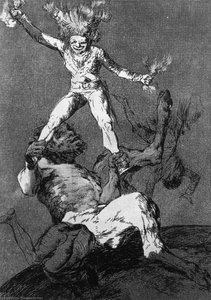
Francisco Goya's "Rise and Fall" is a dramatic etching depicting a precarious performance, showcasing his masterful use of line & shadow. Explore the unsettling scene & Goya’s unique artistic style.
Explore Goya’s haunting ‘Y se le quema la Casa 1,’ a powerful etching depicting isolation and despair. Discover its symbolism & masterful technique, reflecting societal struggles.
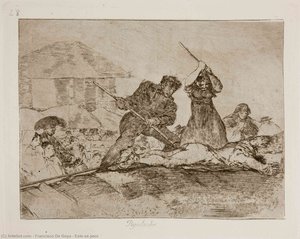
Witness Goya's harrowing "This is Worse." Explore the brutal depiction of suffering and injustice in this iconic Black Painting, part of his 'Disasters of War' series. A masterpiece of Romanticism.
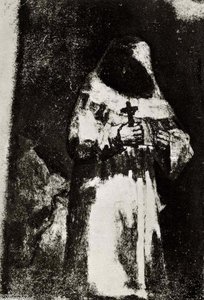
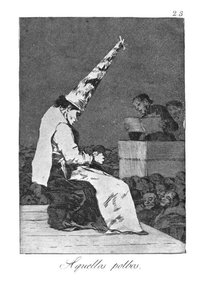
This etching by Francisco José de Goya y Lucientes, "Those Specks of Dust," portrays a chilling depiction of an auto-da-fé – a public trial for heresy – highlighting societal critique within Romanticism. Featuring a commanding clergyman and expressive figures illuminated by stark contrasts, it exemplifies Goya’s skill in capturing emotion and social commentary through etching technique.
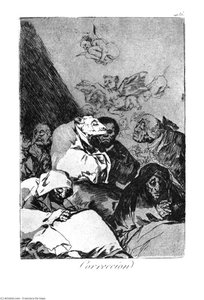
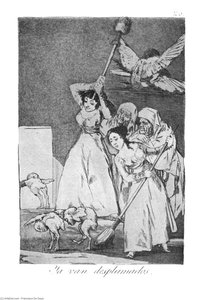
Francisco Goya's "They Already Go Plucked" (1799) is a dramatic etching depicting chaos and loss, part of his satirical 'Los Caprichos.' Explore the expressive lines & symbolism of this iconic work.
Francisco Goya's 'They Pare' (1799) is a dynamic etching depicting a figure in motion, showcasing his masterful use of line and capturing a sense of vulnerability and introspection – a pivotal work from the artist’s career.
Francisco Goya (1746–1828): Explore the life & work of Spain's Romantic master. Known for portraits, dark satire & 'Disasters of War'. A pivotal figure in art history.
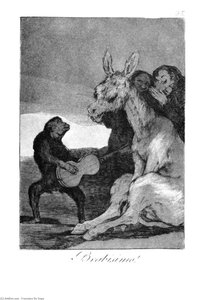
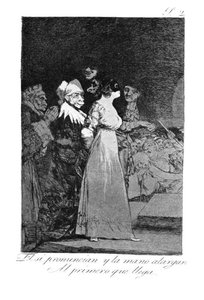
Witness Goya's satirical masterpiece! 'They Say Yes' captures a pivotal moment of social expectation and intrigue with striking lines & dramatic contrasts. Explore this iconic etching from 1799.
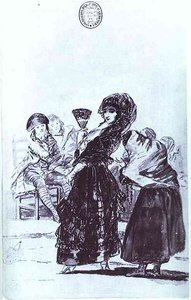
Goya's 'Old Beggar with a Maja' captures a vibrant street scene in 18th-century Spain, showcasing social commentary through expressive linework and a poignant portrayal of poverty & entertainment.
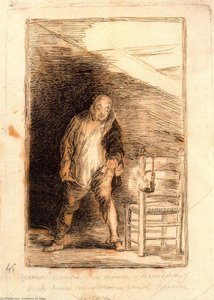
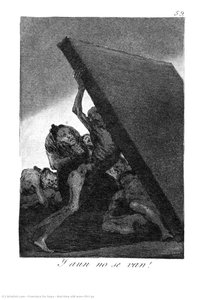
This etching by Francisco Goya depicts a scene of apparent struggle or frustration. The composition utilizes diagonal lines created by the furniture and the leaning bodies of the individuals involved, conveying tension and imbalance. Marked by Goya’s signature expressive lines and dark humor, it exemplifies Romanticism's stylistic boldness.