Showing 24 artworks out of 135 with George Grosz and with Ochre To Sepia

-
George Grosz
-
Ochre To Sepia
Not available for this selection
- Rosy Brown
- Putty
- Driftwood
- Espresso
- Gray
- Khaki
- Phthalo Green
- Quinacridone Magenta
- Clay
- Bronze
- Sap Green
- Walnut
- Mahogany
- Yellow Green
- George Grosz
- Weimar Germany Art
- Satirical Painting
- George Grosz Art
- Berlin Dada Art
- Social Commentary Art
- Weimar Germany
- German Art History
- Weimar Republic Art
- German Expressionism
- Black And White Art
- Modern Art Prints
- Black And White Drawing
- Art Reproduction
- New Objectivity
- George Grosz Watercolor
- Berlin Dada
- Oil On Canvas Print
- Abstract Portrait
- Satirical Art
- Weimar Republic
- George Grosz Artwork
- Gift For Art Lovers
- Social Commentary
- Loose Brushwork
- Watercolor Painting
- Expressionism
- Grosz Artwork
- Expressionism Art
- Contemporary Art
- Figurative Painting
- Oil Painting
- Grosz Art Print
- Urban Scene Artwork
- 19Th Century Art
- Dada Art Style
- Black And White Sketch
- Social Critique
- Caricature Artwork
- Vintage Art Print
- Early 20Th Century
- George Grosz Portrait
- Dramatic Lighting Art
- Museum Quality Prints
- Political Art Piece
- Symbolic Painting
- Berlin Art
- Expressionist Drawing
- Wall Art Decor
- George Grosz Painting
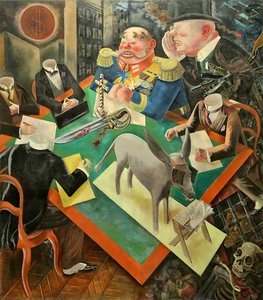
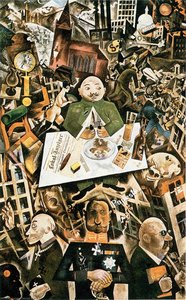
Explore George Grosz’s ‘The Eclipse of the Sun,’ a powerful Dadaist masterpiece depicting Weimar Germany’s chaos. A satirical oil painting rich in symbolism & historical context.
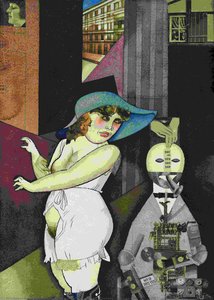
George Grosz’s whimsical painting "Daum marries her pedantic automaton" captures a surreal scene of a woman and a robot man amidst clocks and a teddy bear, reflecting the artist's satirical vision of societal decay during the Weimar Republic. Discover this unique artwork and bring its captivating charm into your space.
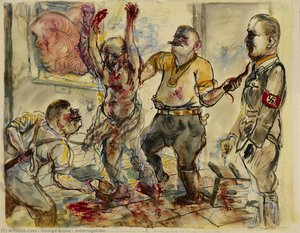
George Grosz’s haunting ‘Interrogation,’ painted in 1938, confronts viewers with a brutal depiction of political repression and violence during the Weimar Republic era. The artist's sharp lines and unsettling imagery capture a moment of intense confrontation amidst blood-splattered walls—explore this dramatic masterpiece.
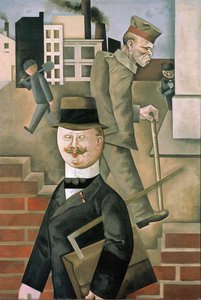
George Grosz’s haunting ‘The Gray Day,’ painted in 1921 during the Dada movement, confronts viewers with a stark monochrome cityscape critiquing postwar Germany's bleakness through bold lines and unsettling caricatures—a masterpiece to explore.
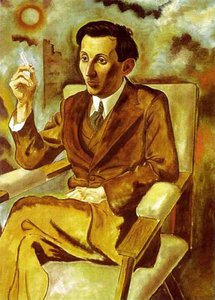
Experience George Grosz's Verism portrait of Walter Mehring (1925), capturing biting satire and thoughtful realism; bring this Weimar masterpiece home today.
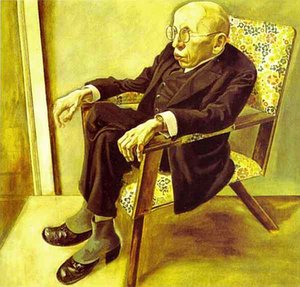
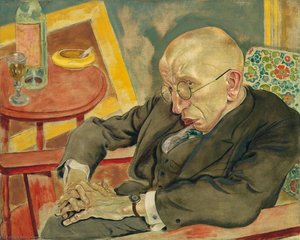
George Grosz’s striking portrait of Max Herrmann-Neisse captures the writer's intense gaze and formal attire in a powerfully satirical style reflecting the Weimar Republic era, offering a unique opportunity to own this iconic artwork.
Experience George Grosz’s biting satire in ‘Ausschweifung,’ a dynamic Berlin night club painting capturing the era's social decay. This iconic work from the Weimar Republic offers a visceral indictment of society, perfect for art lovers and collectors.
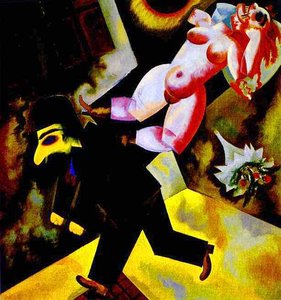
Experience the Cubist unease of George Grosz's John the Murderer (1918), a stark commentary on human nature; discover this powerful piece today.
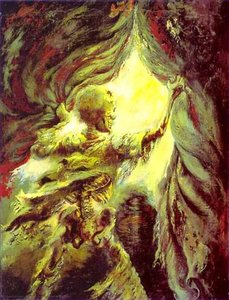
Experience the mystery of George Grosz's 1943 Verism portrait featuring a skeleton-faced figure peeking through a curtain; discover this dramatic piece today.
Experience George Grosz’s ‘Café 1’! A vibrant depiction of urban life in Berlin, showcasing his distinctive style & social commentary. Hand-painted reproduction available.
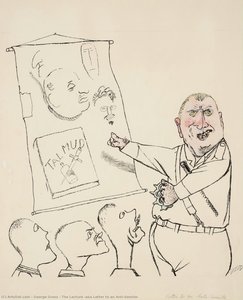
George Grosz's 'The Lecture,' created in 1935, confronts antisemitism and political oppression through unsettling imagery—a brutal depiction of Mühsam’s death and the Nazi regime’s propaganda.
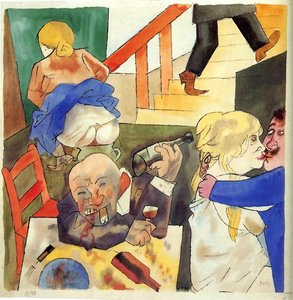
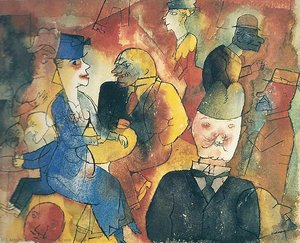
Witness George Grosz's satirical vision of a lively 1922 gathering; explore this powerful Weimar Republic masterpiece for your collection.
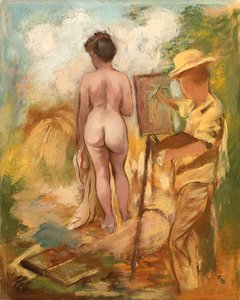
Explore George Grosz's 'Artist and Model' (1928), a captivating Verism painting depicting the relationship between an artist and muse, showcasing Berlin life.
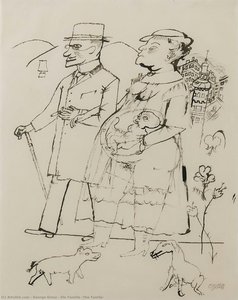
George Grosz’s ‘The Family’ delivers a biting social satire in stark black and white, depicting a bourgeois couple amidst a grim Weimar Republic landscape. Explore this powerful commentary on German society and its institutions – perfect for art lovers and collectors.