Showing 24 artworks out of 41 with George Stubbs and with artwork date before 1773 and with artwork date after 1763

-
George Stubbs
-
-1773
-
1763+
Not available for this selection
- Rosy Brown
- Phthalo Green
- Espresso
- Gray
- Putty
- Celadon
- Black
- Walnut
- Sap Green
- Cobalt Violet
- White
- George Stubbs
- 18Th Century Art
- Fine Art Reproduction
- Horse Painting
- Equestrian Painting
- British Art
- Oil On Canvas
- Oil Painting
- Classical Painting
- Victorian Era
- Romanticism Art
- Portrait
- Stubbs Lion Horse
- British Art History
- 18Th Century Painting
- Renaissance Influence
- Rococo Painting
- Baroque Painting
- Classical Art
- Victorian Era Art
- Anatomy Illustration
- British Painter Stubbs
- Animal Painting
- British Painter
- Classical Allegory
- Equestrian Art
- Landscape Painting
- Equine Art
- Dramatic Composition
- Wildlife Painting
- Stubbs Pumpkin
- Shadowy Forest Art
- Hunting Dogs
- Groom
- English Military Art
- Romantic Era Artwork
- Bird Hunting Scene
- Historical Art
- England
- Dramatic Artwork
- Equine Anatomical Art
- Horseback Rider Print
- Horse Vs Lion Encounter
- Lion Devouring Horse
- Dramatic Composition Art
- Oil Painting Reproduction
- Lion Attacking Horse
- Historical Equestrian
- Horse Breeding
- Art For Sale
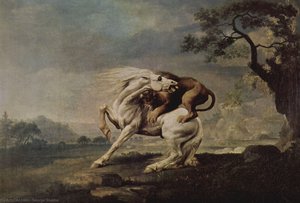
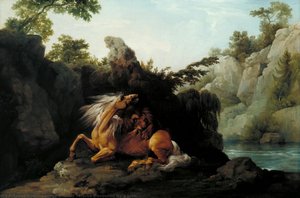
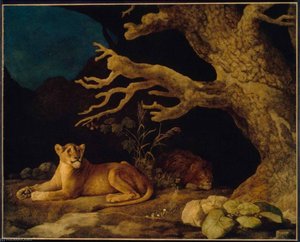
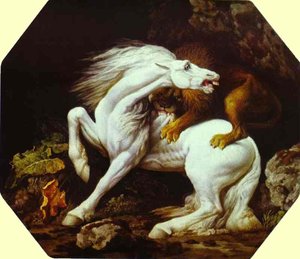
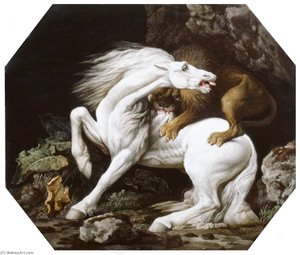
Experience George Stubbs’ dramatic 'Lion Attacking a Horse'! A masterpiece of realism & Romanticism, showcasing raw power & anatomical detail. High-quality reproduction available.
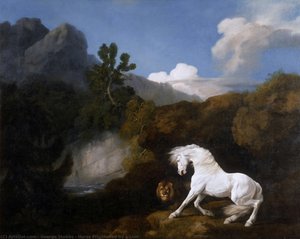
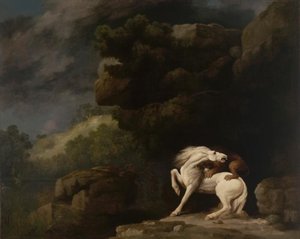
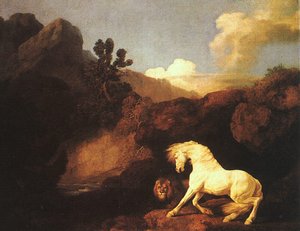
George Stubbs’ ‘Horse Frightened by a Lion’ (1770) – A dramatic Baroque masterpiece! Explore this stunning oil painting's dynamic composition, chiaroscuro & symbolic depth.
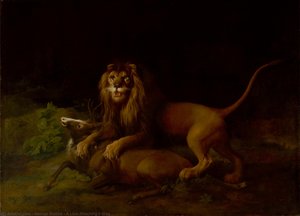
Explore George Stubbs's dramatic depiction of a lion attacking a stag – a masterpiece commissioned by Rockingham Hall and showcasing the artist’s groundbreaking anatomical approach to animal painting.
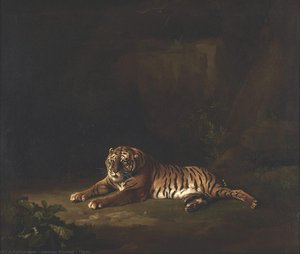
George Stubbs’ ‘Tiger’ (1771) – a stunning oil painting of a majestic tiger in a shadowy forest. Naturalism, impasto & rich detail capture wild beauty. Explore this iconic artwork!
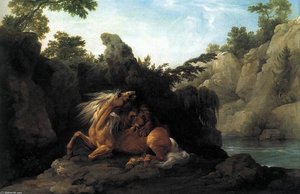
George Stubbs’ ‘Horse Devoured by a Lion’ (1763) – A dramatic oil painting of raw power & classical allegory. Explore this Romantic masterpiece's texture, symbolism & historical context.
George Stubbs’ ‘Horse Devoured by a Lion’ (1763) – A dramatic oil painting of raw power & classical allegory. Explore this Romantic masterpiece’s texture, symbolism & historical context.
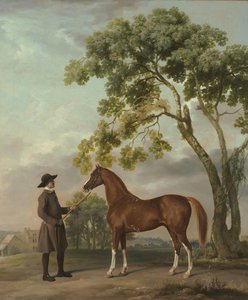
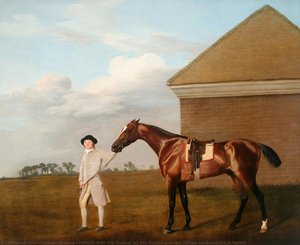
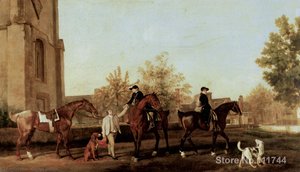
George Stubbs' 'Lord Grosvenor’s Arabian Stallion with a Groom' (1765) showcases equestrian skill & classical influence. A stunning portrait capturing elegance, detail, and the bond between horse & rider.
Stubbs began his artistic journey at the age of 15, initially apprenticed under hamlet winstanley and honing his skills at york county hospital. His early works included illustrations for john burton’s textbook on midwifery.
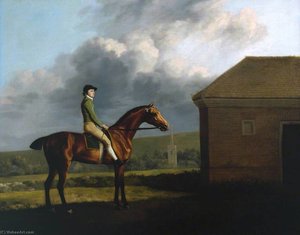
Admire George Stubbs's masterful depiction of Firetail and his trainer at Newmarket Heath, capturing the essence of equestrian artistry and Victorian England. Explore this iconic painting!
Explore George Stubbs's iconic masterpiece 'A Lion Attacking a Horse,' depicting a dramatic confrontation between predator and prey. Discover insights into its creation, historical context, and lasting influence.
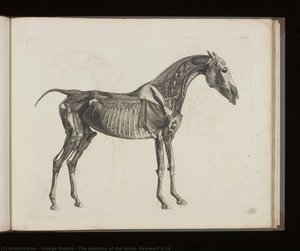
George Stubbs's meticulously detailed 1766 black and white drawing, 'The Anatomy of the Horse,' showcases a strikingly realistic horse skeleton, reflecting the artist’s groundbreaking anatomical studies from the late 18th century. Discover this exceptional piece and bring art history into your home.
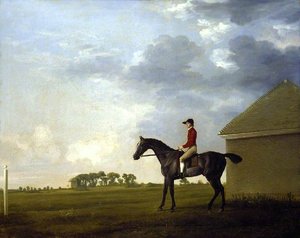
George Stubbs' 'Gimcrack with John Pratt up on Newmarket Heath' captures a legendary racehorse and jockey amidst the beauty of East Anglian countryside. A stunning oil painting from 1765.
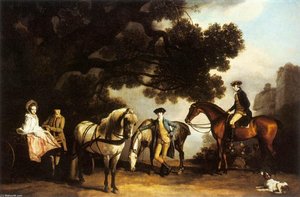
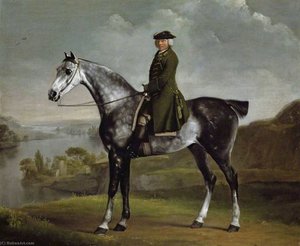
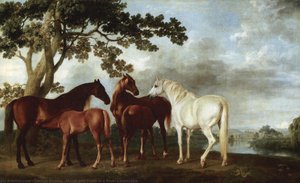
Experience George Stubbs' masterful 18th-century equestrian portrait capturing Georgian life with unparalleled anatomical realism; discover this iconic piece today.
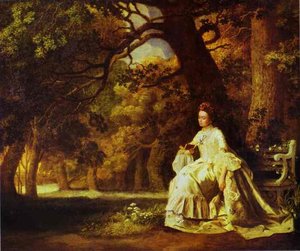
George Stubbs’ "Lady Reading in a Wooded Park" (1770) is a stunning Rococo oil painting of aristocratic leisure & beauty. Admire its rich textures, elegant composition & serene woodland setting. A captivating piece for art collectors.