Showing 6 artworks with Georges Seurat and with 1883

-
Georges Seurat
-
1883
Not available for this selection
- Driftwood
- Espresso
- Walnut
- Rosy Brown
- Celadon
- Georges Seurat
- French Impressionism
- Optical Illusion
- Fine Art Reproduction
- Impressionist Influence
- Post-Impressionism
- Color Theory
- Pointillist Painting
- Pointillism
- Light And Color
- Landscape Painting
- Pointillist Art
- Summer Scene
- Quiet Scene
- Seine River Painting
- Pointillism Painting
- Calm Water
- Color Dots Technique
- French Art
- Vibrant Color Dots
- Landscape Art
- Geometric Precision
- Neo-Impressionism
- Pastel Colors
- Decorative Art
- Seurat Masterpiece
- Symbolic Painting
- Outdoor Labor
- Impressionistic Influence
- Botanical Art
- Riverside Scene
- Painting Technique
- Chromatic Luminarism
- Scientific Art
- Tranquility
- Impressionism
- Luminous Technique
- Parisian Landscape
- Art History
- Serene Scene
- Xix Century Art
- Nature Painting
- Modern Art
- Tranquil Landscape
- Rural Scene
- Modern Art History
- Art Deco Style
- Modern Art Masterpiece
- 1883 Painting
- Modern Art Style
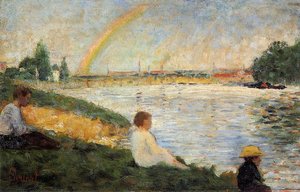
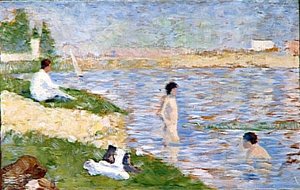
Experience the luminous magic of Georges Seurat's Rainbow, a Post-Impressionist masterpiece using Pointillism to capture a serene riverside scene, inviting you to bring this symphony of light and color into your home.
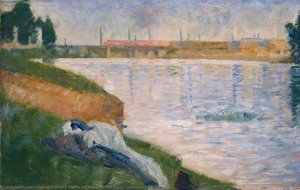
Experience the tranquility of Georges Seurat's 'Clothes on the Grass.' This luminous Impressionist masterpiece utilizes Pointillism to capture serene beauty and subtle color harmonies.
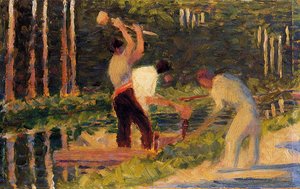
Experience the meticulous beauty of Georges Seurat’s ‘Men Laying Stakes,’ a cornerstone of Post-Impressionism. Explore its vibrant color palette and innovative Pointillist technique – a testament to scientific precision and artistic vision.
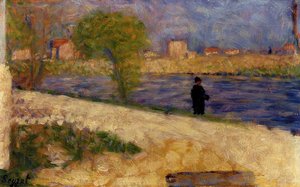
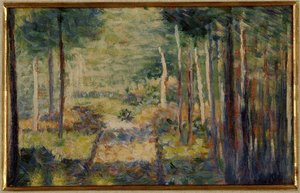
Inspired by Impressionistic color palettes, Seurat utilized a scientific approach to achieve optical brilliance through tiny dots of pigment. This study exemplifies his meticulous attention to detail and geometric composition.
Georges Pierre Seurat (1859-1891) revolutionized painting with his pioneering use of Pointillism, influenced by scientific theories on color perception. His artistic vision sought to capture the fleeting effects of light and atmosphere—a legacy that continues to inspire artists today.