Showing 8 artworks with Giotto Di Bondone and with 1304 and with Italian Painting
-
Giotto Di Bondone
-
1304
-
Italian Painting
Not available for this selection
- Rosy Brown
- Sap Green
- Walnut
- Putty
Not available for this selection
- Italian Painting
- Scrovegni Chapel
- Renaissance Art
- Giotto Di Bondone
- Religious Art
- Medieval Art
- Giotto
- Fresco
- Early Renaissance
- Padua
- 14Th Century
- Fresco Painting
- Decorative Band
- 14Th Century Art
- Biblical Art
- Realism
- Italian Art History
- Perspective
- Color Palette
- Perspective Technique
- Whale
- Italy
- Unesco World Heritage Site
- Padua Fresco
- Detail
- Figure
- Halo
- Biblical Scenes
- Bethlehem Scene
- Biblical Scene
- Massacre Of Innocents
- Herod'S Massacre
- Mural Painting
- Judas Kiss Artwork
- Renaissance Painting
- Cappella Scrovegni
- Padua Chapel Art
- Joachim
- Art History
- Early Renaissance Art
- Christ Resurrection
- Religious Fresco
- Disciples
- Figures
- Masterpiece
- Renaissance
- Devotional
- Biblical Scene Art
- Crosses
- Jonah
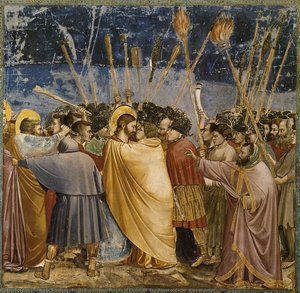
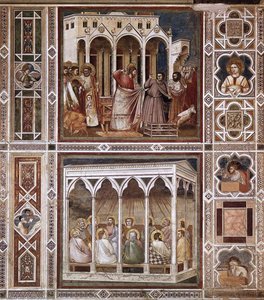
Explore Giotto’s masterpiece, ‘The Arrest of Christ.’ A pivotal 1304 fresco showcasing early Renaissance perspective & emotion in the Scrovegni Chapel. #Giotto #RenaissanceArt
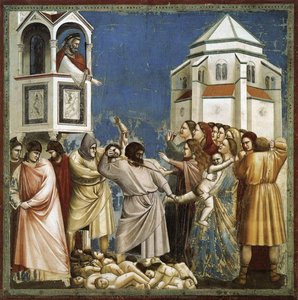
Explore Giotto’s ‘Massacre of the Innocents,’ a powerful fresco masterpiece from 1304. Witness early Renaissance drama, emotional depth & historical significance in Padua's Cappella Scrovegni.
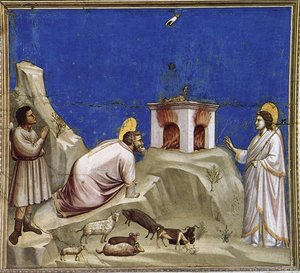
Witness Giotto's revolutionary masterpiece! Explore 'Joachim’s Sacrificial Offering,' a pivotal fresco from the Cappella Scrovegni in Padua, showcasing unparalleled realism & spiritual depth. A UNESCO World Heritage site.
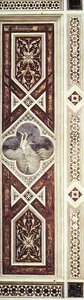
Discover Giotto's 'Decorative Bands,' a groundbreaking fresco from the Scrovegni Chapel (1304). Explore its innovative perspective, emotional depth & pivotal role in Early Renaissance art. A masterpiece of biblical narrative and artistic skill.
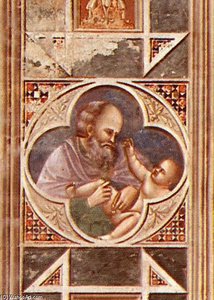
Witness Giotto's revolutionary 'Circumcision' fresco from the Scrovegni Chapel! This masterpiece showcases early Renaissance artistry, emotional depth & biblical narrative.
Part of a larger decorative scheme within the Cappella Scrovegni, this work exemplifies Giotto's transition from Byzantine influences towards Renaissance ideals.