Showing 6 artworks with Giotto Di Bondone and with 1304
-
Giotto Di Bondone
-
1304
Not available for this selection
- Rosy Brown
- Sea Green
- Espresso
- Sap Green
- Cobalt Violet
Not available for this selection
- Scrovegni Chapel
- Giotto Di Bondone
- Medieval Art
- Fresco
- Padua
- Giotto
- Italy
- Renaissance
- Italian Painting
- Religious Art
- Renaissance Art
- Early Renaissance
- Christ
- Medieval Art Style
- Italian Art History
- Detail
- Emotional Art
- Realism
- Massacre Of Innocents
- Grief
- Herod'S Massacre
- Baptism
- Christ'S Lamentation
- Cappella Scrovegni
- Perspective
- Padua Chapel Art
- Art History
- Joachim
- Early Renaissance Art
- 14Th Century Art
- Color Palette
- Biblical Art
- Lamentation
- Religious Fresco
- 14Th Century
- Angels
- Masterpiece
- Biblical Scene Art
- Painting
- Padua Italy Art
- Jonah
- Gothic Art Influence
- Fresco Detail
- Blue Sky Painting
- Sorrow
- Fresco Painting
- Colors
- Devotional
- Wings Angels Artwork
- 1304
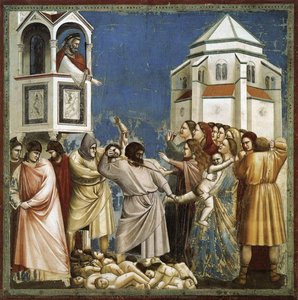
Explore Giotto’s ‘Massacre of the Innocents,’ a powerful fresco masterpiece from 1304. Witness early Renaissance drama, emotional depth & historical significance in Padua's Cappella Scrovegni.
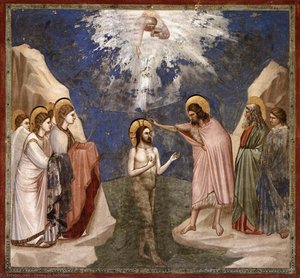
Experience Giotto's 'Baptism of Christ' fresco! This stunning hand-painted reproduction captures the pivotal moment from the Scrovegni Chapel, showcasing Renaissance art’s brilliance. Order yours today!
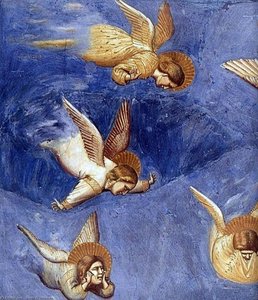
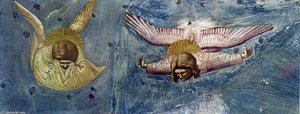
Witness Giotto's masterpiece: "Lamentation" from the Scrovegni Chapel! This poignant fresco captures profound grief & marks a pivotal moment in Renaissance art. Explore its rich history and artistic significance.
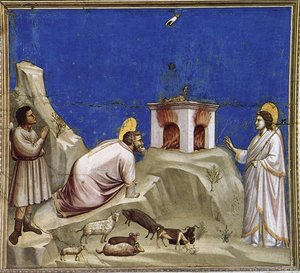
Witness Giotto's revolutionary masterpiece! Explore 'Joachim’s Sacrificial Offering,' a pivotal fresco from the Cappella Scrovegni in Padua, showcasing unparalleled realism & spiritual depth. A UNESCO World Heritage site.
Giotto’s "Lamentation" detail: A pivotal early Renaissance fresco showcasing profound emotion & innovative perspective in the Scrovegni Chapel. Explore this masterpiece!
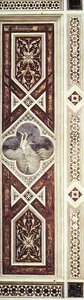
Part of a larger decorative scheme within the Cappella Scrovegni, this work exemplifies Giotto's transition from Byzantine influences towards Renaissance ideals.