Showing 8 artworks with Giotto Di Bondone and with 1306
-
Giotto Di Bondone
-
1306
Not available for this selection
- Espresso
- Gray
- Quinacridone Magenta
- Putty
Not available for this selection
- Giotto Di Bondone
- Medieval Art
- Religious Iconography
- Renaissance Art
- Scrovegni Chapel
- Last Judgment
- Fresco Painting
- Padua Italy
- Fresco
- Proto-Renaissance Style
- Proto Renaissance
- Detail View
- Giotto
- Seven Vices
- Cappella Scrovegni
- Early Renaissance
- Symbolism
- Padua
- Padua Chapel
- Renaissance
- Justice
- Frescoes
- Scrovegni Museum
- Woman Offering Fruit
- Color
- Italian Painting
- Divine Artistry
- Injustice
- Fire Motif
- Luminous Tempera
- Seven Virtues
- Faith Betrayal
- Human Emotion
- Allegorical Art
- Giotto Style
- Color Palette
- Biblical Art
- Prudence
- Wisdom
- 14Th Century
- Religious Art
- Allegorical Painting
- Painting
- Authority
- Panel
- Venetian Art
- Arena Chapel
- Emotional Depth
- Giotto Technique
- Artistic Context
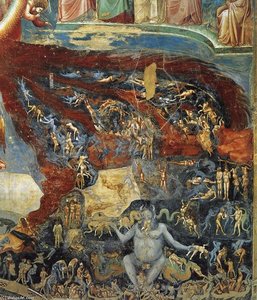
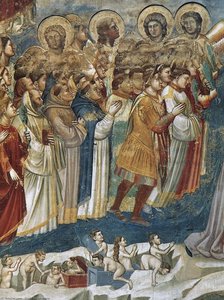
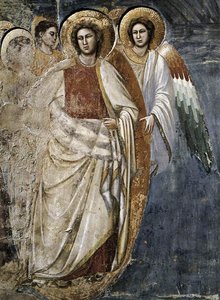
Giotto Di Bondone's Last Judgment (detail) captures the emotional depth of the Renaissance with masterful fresco technique. Explore its biblical context and significance in Padua's Cappella Scrovegni.
Explore Giotto's masterpiece - Last Judgment (detail) (24), a pivotal fresco cycle showcasing Proto-Renaissance realism and emotional depth within the Cappella Scrovegni, Padua.
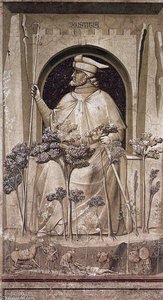
Giotto's 'No. 50 The Seven Vices: Injustice' depicts authority and judgment, part of the iconic Scrovegni Chapel frescoes. Explore its symbolism & historical context.
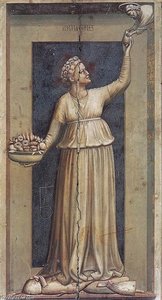
A profound depiction of selfless love featuring a woman offering fruit, this Giotto di Bondone fresco from the early Renaissance captures divine grace and invites you to bring this masterpiece into your collection.
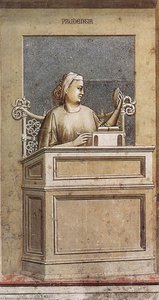
Discover Giotto's 'No. 40 The Seven Virtues: Prudence,' a masterpiece from the Cappella Scrovegni, Padua. Admire its realism & symbolism of wisdom in this stunning fresco reproduction.
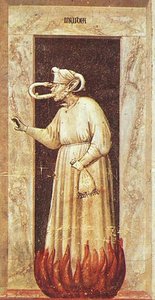
'No. 48 The Seven Vices: Envy' exemplifies Giotto’s revolutionary approach to art, capturing emotion and realism with unprecedented skill.
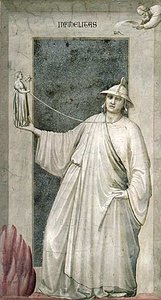
Giotto di Bondone’s “Infidelity,” painted in 1306, is a cornerstone of Proto Renaissance art. This evocative fresco depicts Faith’s transgression—a man holding an idol—against the backdrop of angelic figures and a brick wall. Located in Padua's Scrovegni Chapel, it showcases Giotto’s revolutionary realism and masterful storytelling.