Showing 9 artworks with Giotto Di Bondone and with 1306 and with Religious Art
-
Giotto Di Bondone
-
1306
-
Religious Art
Not available for this selection
- Putty
- Gray
- Driftwood
- Rosy Brown
- Religious Art
- Giotto Di Bondone
- Renaissance Art
- Medieval Art
- Early Renaissance
- Arena Chapel
- Scrovegni Chapel
- Padua
- Fresco
- Italian Art History
- Padua Chapel
- Fresco Painting
- Perspective
- Giotto
- Cappella Scrovegni Padua
- Last Judgment
- Proto-Renaissance
- Biblical Scene
- Scrovegni Museum
- Fresco Technique
- Italian Painting
- Italy
- Padua Fresco
- Detail
- Florence Artist
- Realism
- Italian Art
- Seven Vices Frescoes
- Medieval Art Influence
- Proto Renaissance
- Art Masterpiece
- Divine Artistry
- Cappella Scrovegni
- Angel
- Art History
- Early Renaissance Art
- Renaissance Fresco
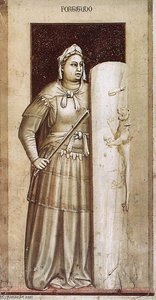
- Fortitude Symbolism
- Shield Woman Figure
- Art History Masterpiece
- Renaissance
- Italian Painter
- Painting
- Joachim And Mary
- Shepherds Scene
- Medieval Painting
- Perspective Painting
- Christ Figure
- Early Renaissance Painting
- Art Deco
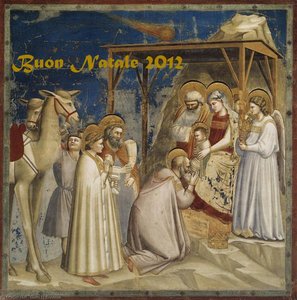
Giotto's 'Adoration of the Magi' fresco in Padua’s Arena Chapel showcases groundbreaking realism & emotion, marking a pivotal moment in Proto-Renaissance art.
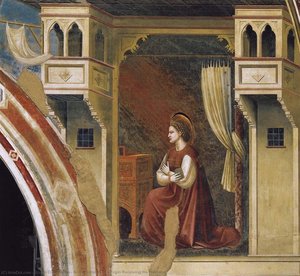
Witness Giotto's revolutionary Annunciation! This 1306 fresco showcases Proto-Renaissance innovation – perspective, realism, & emotional depth. See Mary receive Gabriel’s divine message in a masterpiece of humanism.
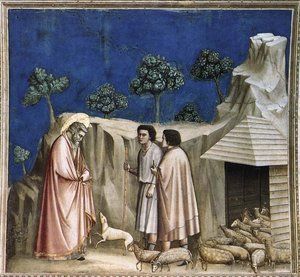
The Scrovegni Chapel, Padua is a monumental achievement of early Renaissance art thanks to Giotto di Bondone’s innovative frescoes depicting the Life of Christ and Virgin Mary. Its masterful use of perspective and emotional depth revolutionized painting techniques.
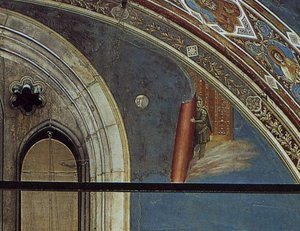
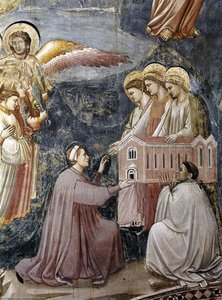
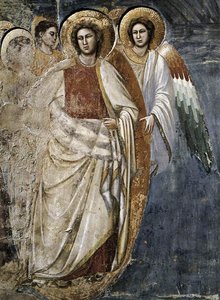
Giotto's 'Last Judgment (detail 9)' from the Arena Chapel in Padua showcases his revolutionary fresco technique and profound depiction of divine judgment.
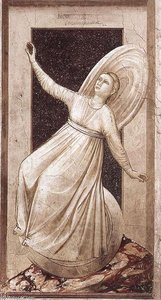
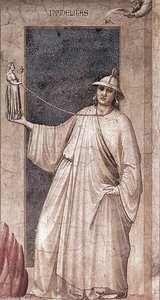
Giotto di Bondone (c. 1267–1337) revolutionized painting with his naturalistic style and emotional depth, exemplified by the monumental frescoes of the Cappella Scrovegni in Padua. Influenced by Byzantine tradition but forging a path toward Renaissance realism, Giotto’s work profoundly impacted Western art history.