Showing 8 artworks with Giotto Di Bondone and with 1306 and with Renaissance
-
Giotto Di Bondone
-
1306
-
Renaissance
Not available for this selection
- Rosy Brown
- Quinacridone Magenta
- Driftwood
- Putty
Not available for this selection
- Giotto
- Renaissance
- Fresco
- Padua
- Detail
- Realism
- Italy
- Emotion
- Medieval Art
- Painting
- Color
- Last Judgment
- Cappella Scrovegni
- Arena Chapel
- Figures
- Scrovegni Chapel
- Gabriel
- Art History
- Colors
- Giotto Di Bondone
- Italian Art
- Movement
- Angel
- Proto-Renaissance
- Symbolism
- 14Th Century
- Angels
- Religious Art
- Virgin Mary
- Authority
- Panel
- Byzantine
- Medieval
- Annunciation
- Woman
- Judgement
- Religion
- Composition
- Biblical
- Souls
- Architecture
- Inconstancy
- Religious Painting
- Florence
- Mary
- Virtue
- Art
- Crimson
- Justice
- 1306
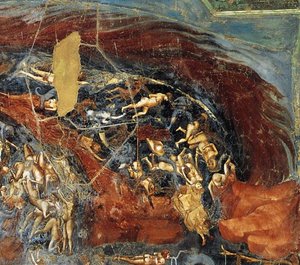
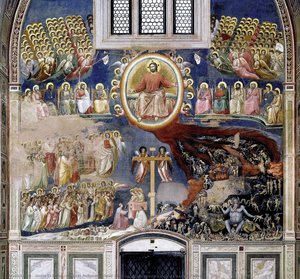
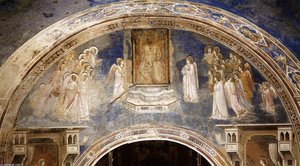
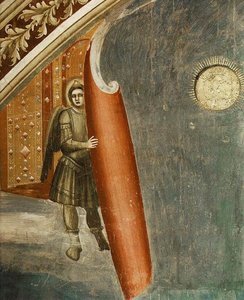
Witness Giotto's revolutionary 'Last Judgment' detail from Padua’s Scrovegni Chapel! Explore dynamic figures, vibrant colors & groundbreaking Renaissance art – a masterpiece of faith and human emotion.
Witness Giotto's masterpiece: 'Last Judgment (detail 15)' from the Cappella Scrovegni, Padua. Explore its dramatic figures and Proto-Renaissance style in this stunning fresco detail.
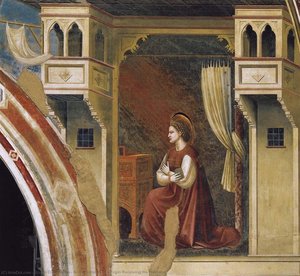
Witness Giotto's revolutionary Annunciation! This 1306 fresco showcases Proto-Renaissance innovation – perspective, realism, & emotional depth. See Mary receive Gabriel’s divine message in a masterpiece of humanism.
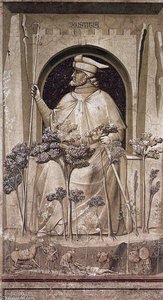
Giotto's 'No. 50 The Seven Vices: Injustice' depicts authority and judgment, part of the iconic Scrovegni Chapel frescoes. Explore its symbolism & historical context.
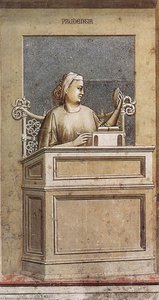
Discover Giotto's 'No. 40 The Seven Virtues: Prudence,' a masterpiece from the Cappella Scrovegni, Padua. Admire its realism & symbolism of wisdom in this stunning fresco reproduction.
Witness Giotto's revolutionary Last Judgment detail! Explore the vibrant colors, emotional depth, and groundbreaking artistry of this iconic fresco from Padua’s Cappella Scrovegni.
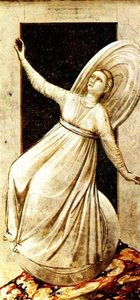
Giotto's 'Inconstancy' (1306) captures a woman reaching towards an uncertain future, embodying the vice of fickleness with striking realism and emotional depth – a pivotal work of Proto-Renaissance art.