Showing 6 artworks with Giovanni Baglione and with Giovanni Baglione
-
Giovanni Baglione
-
Giovanni Baglione
Not available for this selection
- Walnut
- Driftwood
- Black
- Celadon
Not available for this selection
- Giovanni Baglione
- Baroque Painting
- Renaissance Art
- Religious Iconography
- Italian Baroque
- Caravaggio Influence
- Mannerism
- Cello Painting
- Lute Painting Style
- Saint
- Symbolism
- Classical Portrait
- Dramatic Lighting
- Late Mannerism Style
- Rich Colors Art
- Yellow And Red Hues
- Profane Love
- Michelangelo Buonarroti
- Sacred Love
- Muse Of Dance
- Muse Of Lyrics
- Love Conflict Passion
- Birds
- Tenebrism
- Renaissance Drawing
- Classical Music Art
- Detail
- St Francis
- Clio Muse History
- Palazzo Barberini Gallery
- Italian Art
- Cherub Artwork
- Nude Figure Art
- Oil Painting Art
- Renaissance Sculpture Influence
- Pen And Ink
- Fresco
- Red Feather Artwork
- 1602
- Italian Baroque Art
- Lyricism Art
- Dark Brown Colors
- Allegory
- Art History Rome
- Portrait Painting
- Idealized Beauty
- Dark Brown Tones
- Ancient Greek Art
- Chiaroscuro Style
- Female Figure Art
Giovanni Baglione (1566-1643): Italian Baroque painter & historian. Known for late Mannerism style, Caravaggio influence, and *Le Vite*, a key source on 17thC Roman artists.
Baglione’s masterpiece stands as a testament to the artistic dynamism of Rome during the early 17th century.
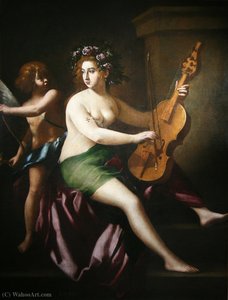
Discover Giovanni Baglione’s "Erato, Muse of Lyrics" – a stunning Baroque oil painting featuring a nude figure & cherub. Explore its rich colors, dramatic lighting & classical beauty.
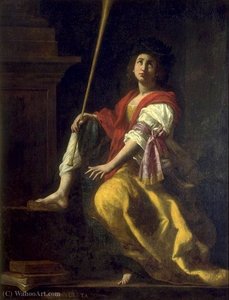
Discover "Clio, Muse of History" by Giovanni Baglione – a Baroque masterpiece! Dramatic chiaroscuro, pyramidal composition & classical themes await in this captivating oil painting.
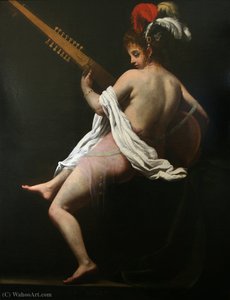
Discover "Terpsichore," a captivating Baroque portrait by Giovanni Baglione. Admire this nude figure's grace & the lute, reflecting Roman art history. A stunning piece for art lovers!
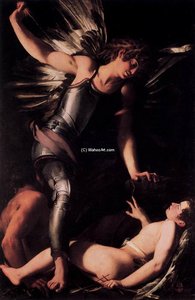
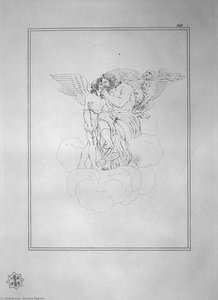
Explore 'Sacred and Profane Love,' a captivating pen & ink drawing by Giovanni Baglione (1602). Witness allegorical figures, divine intervention, and a dramatic narrative of temptation and love in this Renaissance masterpiece.