Showing 18 artworks with Gordon Parks
-
Gordon Parks
Not available for this selection
- Espresso
- Black
- Rosy Brown
- Phthalo Green
- Gray
- Celadon
- Putty
- Gordon Parks
- Photography
- Black And White
- Portrait
- Documentary
- Harlem
- Civil Rights
- Urban Life
- Street Scene
- Resilience
- Social Commentary
- American Life
- Family
- 1952
- Man
- Urban
- 1956
- Alabama
- Vintage
- 1948
- Segregation
- Social Realism
- Texture
- New York
- Gordon Parks Photography
Gordon Parks' powerful 1948 photo captures a tense Harlem street scene with a man holding a baseball bat, reflecting social tensions and documentary realism.
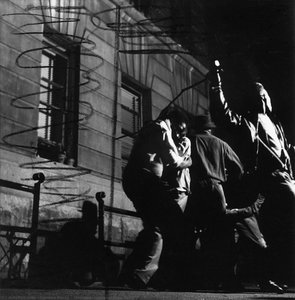
Dramatic shadows and high contrast define this poignant 1952 black and white photograph by Gordon Parks that captures the soul of Harlem and invites you to explore its powerful legacy.
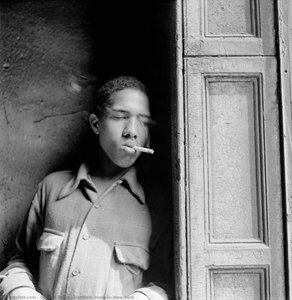
A poignant black & white photo by Gordon Parks captures a young man in Harlem, 1948. Explore the textures, symbolism, and social realism of this iconic image reflecting urban life and quiet contemplation.
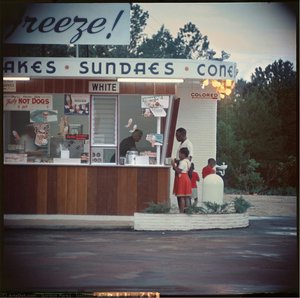
Gordon Parks' iconic 'Untitled, Shady Grove, Alabama' captures a poignant moment of racial segregation in the American South through powerful black and white photography.
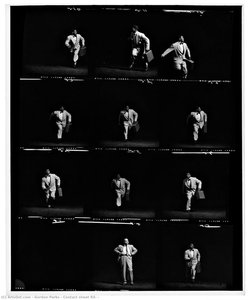
Gordon Parks’ ‘Contact sheet R3’ captures a powerful moment of purposeful movement in stark black and white, showcasing the photographer's documentary style and highlighting themes of ambition and social commentary from 1952. Discover this iconic image now.
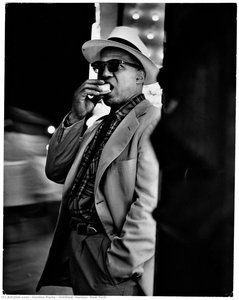
Gordon Parks' 'Untitled, Harlem, New York' (1952) captures urban life’s quiet resilience through a stark black & white portrait of a man on the street. A poignant image reflecting social commentary and American identity.
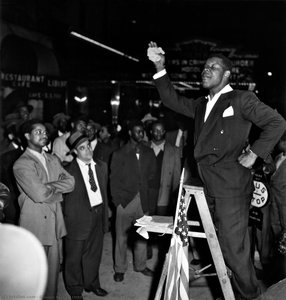
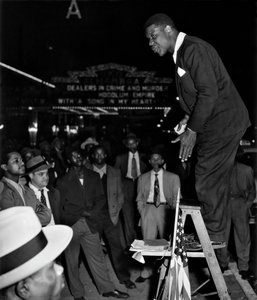
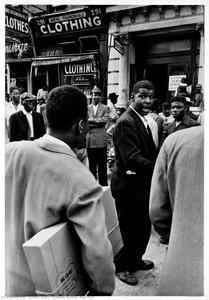
Gordon Parks’ iconic 1952 photo captures Harlem's energy & social commentary. A black-and-white image of a man addressing a crowd, reflecting the era's struggles and hope. #GordonParks #Harlem #Photography
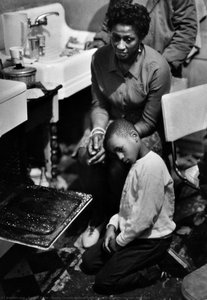
This iconic photograph by Gordon Parks portrays a Black family huddled around an open oven in Harlem, New York during 1967. Shot for Life magazine, it exemplifies documentary realism and explores themes of warmth, vulnerability, and the challenges faced by marginalized communities. Parks' meticulous composition—centering on a woman and boy—highlights familial bonds amidst hardship.
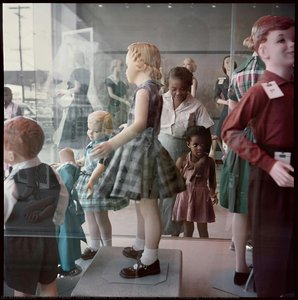
Gordon Parks' poignant 1956 photo captures Ondria Tanner and her grandmother window-shopping in Mobile, Alabama – a glimpse into everyday life during the Civil Rights era.
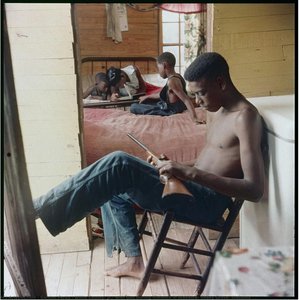
This powerful black-and-white image portrays Willie Causey Jr., holding a firearm during a racially charged scene in Shady Grove, Alabama. Captured by Gordon Parks for Life magazine, it documents the daily lives of African Americans facing discrimination—a poignant glimpse into American history.
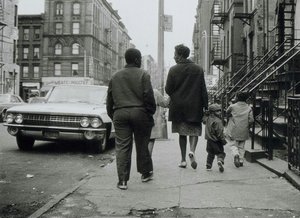
Gordon Parks' 'Untitled, Harlem, New York' captures poignant urban life through a powerful black & white photograph of a family navigating the streets. A testament to resilience and community.
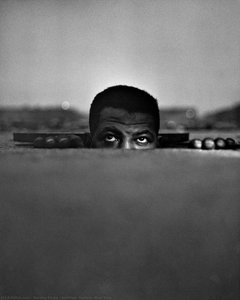
Gordon Parks’ ‘Untitled, Harlem, New York’ (1952) captures urban life's urgency & resilience. A dynamic black & white photo featuring a man and an unsettling eye. Documentary style, surreal elements.
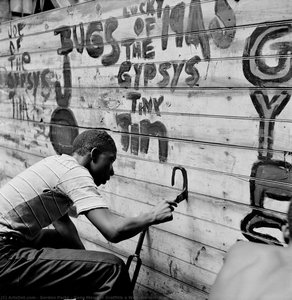
Gordon Parks' iconic 1948 photo captures Harlem gang life—a poignant glimpse into urban America through the lens of a pioneering photographer. Explore social justice and street art.
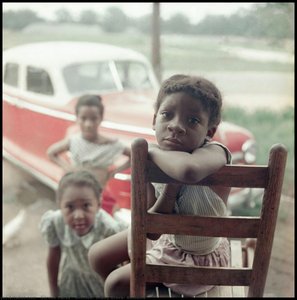
Gordon Parks' iconic 'Untitled, Shady Grove, Alabama' captures a poignant scene of segregation in 1956, showcasing the humanity within Jim Crow America. A powerful black and white photograph.
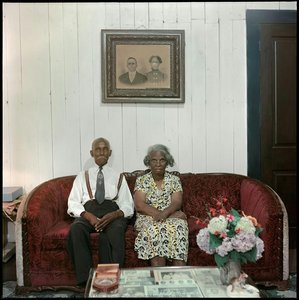
Gordon Parks' poignant 1956 photo captures an Alabama family’s dignity amidst segregation. Mr. & Mrs. Thornton offer a glimpse into everyday life, challenging stereotypes and revealing resilience.
Gordon Parks’ iconic 1952 photo captures Harlem's resilience through a stark black & white portrait of an enigmatic man. Explore themes of dignity, urban life, and social commentary in this powerful image.
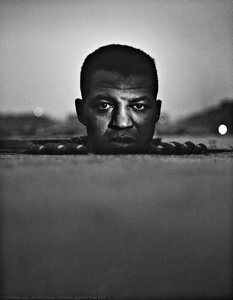
Gordon Parks’ ‘Untitled, Harlem, New York’ (1952) captures urban resilience through a poignant black & white portrait of a man peering over an unseen barrier. A powerful image reflecting mystery and observation.