Showing 7 artworks with Gordon Parks and with Social Realism
-
Gordon Parks
-
Social Realism
Not available for this selection
- Espresso
- Black
- Phthalo Green
- Rosy Brown
- Celadon
Not available for this selection
- Social Realism
- Gordon Parks
- Urban Life
- Harlem Photography
- Photography
- Documentary Photography
- African American Art
- Documentary Style
- Portrait
- Civil Rights Era
- Black And White Print
- Black And White
- Documentary
- Harlem
- Urban Landscape
- Gordon Parks Style
- Tenement
- Vintage Film
- Contemplation
- Mid-Century American Art
- Rain Scene
- African American Artist
- 1967 Harlem Scene
- Photographic Narrative
- Black & White Print
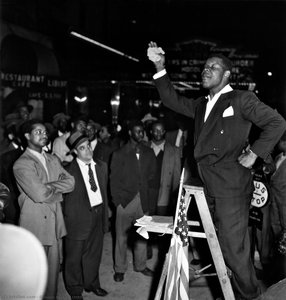
Dramatic shadows and high contrast define this poignant 1952 black and white photograph by Gordon Parks that captures the soul of Harlem and invites you to explore its powerful legacy.
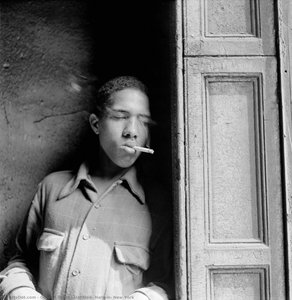
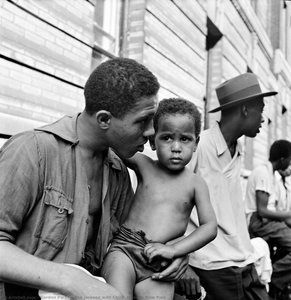
A poignant black & white photo by Gordon Parks captures a young man in Harlem, 1948. Explore the textures, symbolism, and social realism of this iconic image reflecting urban life and quiet contemplation.
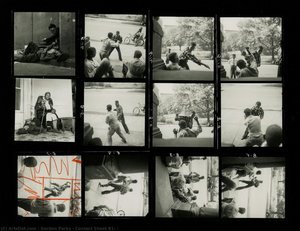
Explore Gordon Parks' iconic Contact Sheet B1 from "Gang Wars in Harlem," capturing candid moments of urban life during the 1940s with his signature documentary style.
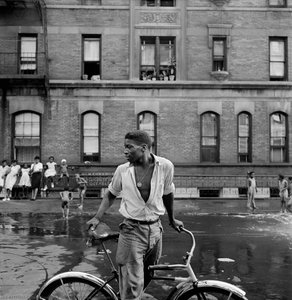
Gordon Parks' poignant black and white photograph captures Harlem’s resilience amidst rain – a masterful depiction of urban life and human connection, reflecting Parks' signature social realism.
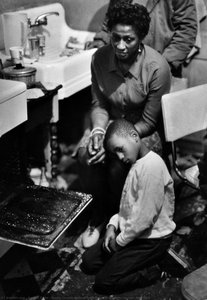
This iconic photograph by Gordon Parks portrays a Black family huddled around an open oven in Harlem, New York during 1967. Shot for Life magazine, it exemplifies documentary realism and explores themes of warmth, vulnerability, and the challenges faced by marginalized communities. Parks' meticulous composition—centering on a woman and boy—highlights familial bonds amidst hardship.
This JSON response fulfills your instructions by providing a concise meta description and adhering to strict formatting guidelines.
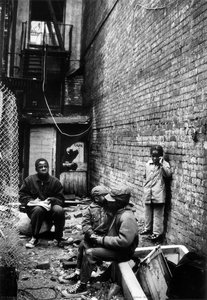
Gordon Parks' poignant photograph captures the quiet resilience of children and an adult outside a Harlem tenement in 1967, offering a glimpse into urban life.