Showing 8 artworks with Gustav Klimt and with 1908

-
Gustav Klimt
-
1908
Not available for this selection
- Putty
- Driftwood
- Gustav Klimt
- Decorative Art
- Fine Art Reproduction
- Albertina Museum
- Art Deco Style
- Couple Portrait
- Austrian Painting
- Love Motif
- Romanticism Era
- Art Nouveau
- Symbolism Art
- Circular Motifs
- 1908 Painting
- Vienna Art
- Vienna Secession
- Symbolism
- Romantic Drawing
- Timeless Fashion Portrait
- Intimate Moment
- Golden Leaf Technique
- Circles
- 1908 Modernist Female Por
- Drawing
- "Floral Ornamentation"
- Mythological Art
- Symbolic Painting
- Female Figure
- Female Figure With Hat
- Abstract Modernist Art
- Monochrome Female Artwork
- Intimate Art
- Art Nouveau Painting
- "Vienna Secession"
- Gold Leaf Technique
- Klimt Masterpiece
- Expressionist Female Pain
- "Romanticism"
- "Gold Leaf"
- "Art Nouveau"
- Red Pencil
- "Geometric Patterns"
- Graphite
- Female Figure Art
- Early 20Th Century
- Warm Color Palette
- Austrian Art
- Greek Mythology
- Bold Contrast Portrait
- Timeless Female Portrait
- Lady With Plumed Hat Pain
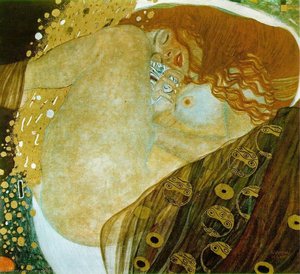
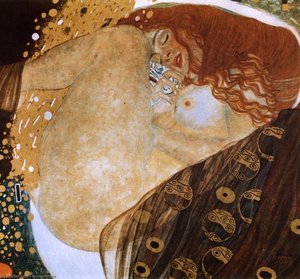
Discover Gustav Klimt’s "Danae": A mesmerizing Art Nouveau masterpiece! Explore gold leaf, symbolism & sensual beauty in this iconic 1908 painting. Perfect for art lovers & collectors.
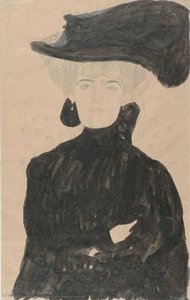
Discover Gustav Klimt's 'Lady with Plumed Hat' (1908), a stunning minimalist portrait blending impressionism and modernism. This elegant artwork captures timeless sophistication with bold contrasts and expressive brushwork.
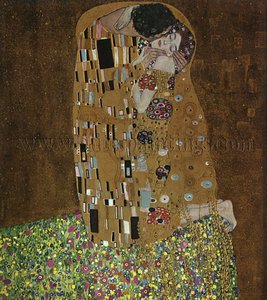
"The Kiss" by Gustav Klimt embodies Art Nouveau's opulent gold leaf and intricate patterns, housed at Vienna’s Belvedere Palace.
Gustav Klimt (14 July 1862 – 6 February 1918) was an Austrian symbolist painter and a founding member of the Vienna Secession movement. His work helped define the Art Nouveau style in Europe.
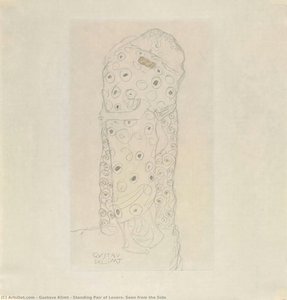
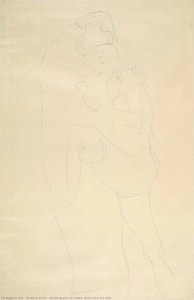
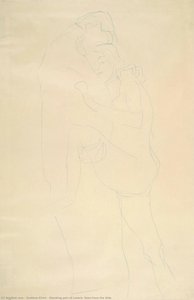
Explore Gustav Klimt's intimate "Standing Pair of Lovers, Seen from the Side" (1908). This drawing showcases his signature style with delicate lines and intriguing circular motifs, capturing a tender moment between two figures.
Inspired by Klimt's father's profession in gold engraving, this artwork embodies opulence and observation.
Inspired by Klimt's father's gold engraving practice, this piece embodies his artistic heritage.