Showing 5 artworks with Gustave Courbet and with 1866

-
Gustave Courbet
-
1866
Not available for this selection
- Celadon
- Phthalo Green
- Espresso
- Driftwood
- Realism
- Gustave Courbet
- Beach Composition
- 19Th Century Art
- Animals
- Fine Art Print
- Rural Portrait
- Forest
- Social Realism
- Bedroom Wall Art
- Courbet Masterpiece
- Oil Paint Texture
- French Impressionism
- Landscape Art
- Home Decor
- Sky Atmosphere
- Art Collector
- Art Reproduction Gift
- Gustave Courbet Artwork
- Courbet Museum Piece
- Normandy Landscape
- Roe Deer
- Decorative Art
- Impressionistic Detail
- Art
- Nude Women Artwork
- Cloud Formations
- Étretat Cliffs
- Impasto Painting
- French Impressionist
- 1866 Painting
- Earth Tone Decor
- Tranquil
- Realism Art
- Quietude Art Print
- Greyhound Sculpture
- Courbet Sleep Art
- Intimate Portrait Art
- Realist Painting Print
- Dog Painting
- Coastal Scenery
- Symbolic Artwork
- French Art History
- Impressionism
- Comte De Choiseul Painting
- Victorian Era
- Sleeping Figures Art
- French Realism Print
- Wildlife
- Sea View
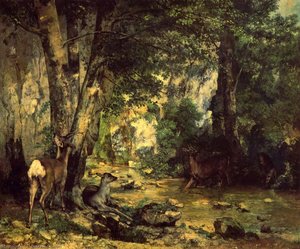
Gustave Courbet’s ‘The Shelter of the Roe Deer’ captures serene nature with vibrant realism. Explore this iconic 1866 masterpiece depicting deer in a tranquil forest setting, housed in Paris' Musée d'Orsay.
Gustave Courbet’s ‘The Sleepers,’ a revolutionary realist masterpiece from 1866, captures two nude women in an intimate tableau of quietude and connection. Explore this iconic work and its profound humanist perspective – discover your perfect reproduction today.
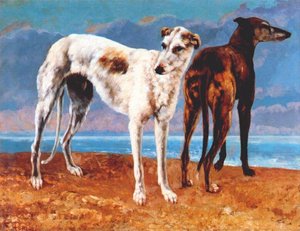
“Greyhounds of Comte de Choiseul” by Gustave Courbet exemplifies Realism’s unflinching portrayal of nature and animal life. This evocative beach scene captures the gaze of two greyhounds, embodying Courbet's dedication to truthful observation.
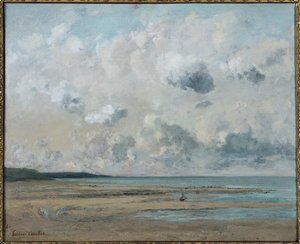
Delve into Gustave Courbet’s ‘Shores of Normandy,’ a breathtaking Realist landscape capturing the serene beauty of the coast under an overcast sky. Explore texture, perspective & masterful brushstrokes at WikiArt.
Gustave Courbet’s unflinching Realism captures rural hardship in ‘Poor Woman of the Village,’ showcasing textured impasto and confronting societal inequalities. Explore this iconic 1866 masterpiece by a rebellious artist – discover or acquire your own piece.