Showing 7 artworks with Gustave Courbet and with 1865 Artwork
-
Gustave Courbet
-
1865 Artwork
Not available for this selection
- Walnut
- Driftwood
- Phthalo Green
- Clay
- Rosy Brown
Not available for this selection
- 1865 Artwork
- Gustave Courbet
- Realism Painting
- Oil On Canvas
- Landscape Painting
- Landscape Art
- French Impressionism
- Nature Painting
- French Art History
- Oil Paint Texture
- Romanticism Influence
- French Art
- Impressionsism Influence
- Quiet Moment
- Oil Paint Impasto
- Serene Atmosphere
- Paris Commune
- Courbet Style
- Outdoor Scene
- Muted Palette
- Musee Courbet Ornans
- Female Figure
- Nude Painting
- Beach Scene
- Realism
- Musee Beaux-Arts Besancon
- Low Tide Seascape
- Rhône River Scenery
- Artist Observation
- Normandy Art
- Impressionistic Influence
- French Impressionist
- Botanical Art
- Provence Art
- Mountain Scenery
- River Scene
- Woodland Landscape
- Castle Architecture
- Nature Inspiration
- Intimate Portraiture
- Brushstrokes Texture
- Atmospheric Depth
- Jules Valles
- Art History
- French Countryside
- Windy Scenery
- Color Palette
- River Valley
- Portrait Jules Valles
- Art Decoration
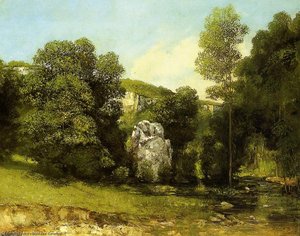
“La Ruisseau de la Breme” by Gustave Courbet is a captivating oil painting depicting a tranquil woodland river scene populated with figures and an animal, embodying the core tenets of Realism. Created in 1865, it’s housed in Besançon's Musée Des Beaux Arts and celebrated for its depiction of everyday life and natural beauty. Discover exquisite handmade reproductions at ArtsDot.com.
“La Ruisseau de la Breme” by Gustave Courbet is a captivating oil painting depicting a tranquil woodland river scene populated with figures and an animal, embodying the core tenets of Realism. Created in 1865, it’s housed in Besançon's Musée Des Beaux Arts and celebrated for its depiction of everyday life and natural beauty.
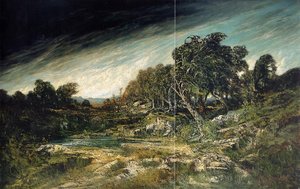
Gustave Courbet’s monumental ‘The Gust of Wind,’ a breathtaking Realist landscape capturing an impending storm's raw power, confronts viewers with unflinching honesty. Painted circa 1865, this dramatic depiction embodies the movement’s rejection of romantic ideals and invites you to explore its timeless beauty.