Showing 9 artworks with Henri Matisse and with 1908 and with Fauvism

-
Henri Matisse
-
1908
-
Fauvism
Not available for this selection
- Espresso
- Celadon
- Phthalo Green
- Midnight Blue
- Gray
- Rosy Brown
- Brown
- Henri Matisse
- Modern Art
- Fauvism
- Painting
- Color Palette
- French Art
- Color
- Portrait
- Matisse
- 1908
- Bold Colors
- Decorative Patterns
- Composition
- Decorative Art
- Fauvist Art
- Russian Art Hermitage
- Green Field Painting
- Bold Brushstrokes
- Colorful Art Pieces
- Early 20Th Century Art
- Vibrant
- Colorism
- Matisse Color Palette
- Blue
- Green Eyes
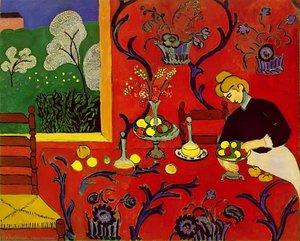
“Harmony in Red” by Henri Matisse embodies Fauvist colorism & lively composition—a masterpiece showcasing musical harmony & strategic challenge at The Baltimore Museum of Art. Explore its vibrant hues & stylistic brilliance!
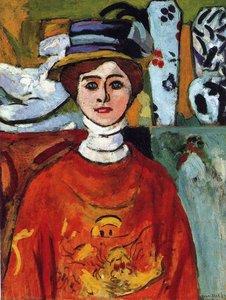
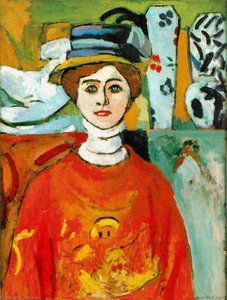
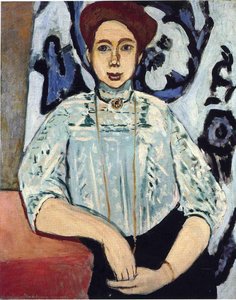
Experience Henri Matisse's 'The Girl with Green Eyes,' a vibrant Fauvist masterpiece capturing intimacy and emotion through bold color and dynamic composition. Explore its artistic context and legacy.
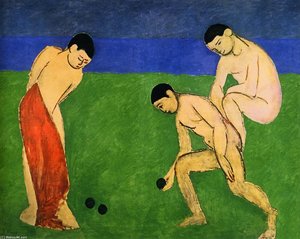
Explore Henri Matisse’s "Game of Bowls" – a vibrant Fauvist masterpiece depicting camaraderie & leisure. Discover its dynamic composition & bold color palette at The Hermitage.
Henri Matisse's 'Greta Moll' (1908) exemplifies Fauvism with bold colors and emotive portraiture. Explore its artistic context, influences & lasting impact.
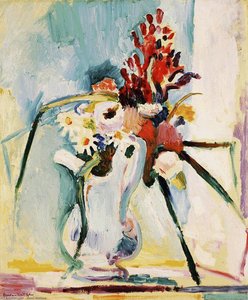
Henri Matisse’s ‘Flowers in a Pitcher,’ painted in 1908, embodies Fauvism—a transformative art movement prioritizing emotion over realism through vibrant hues. This oil on canvas showcases complementary colors and masterful composition, reflecting Matisse’s pioneering spirit and foreshadowing Picasso's innovations. Learn about Fauvist principles & the painting's significance at ArtsDot.
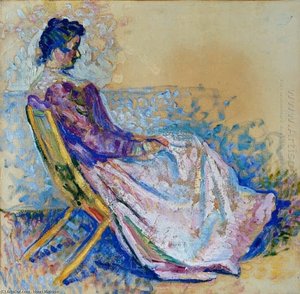
Experience Matisse's 'Antibes' (1908), a stunning example of Fauvism! Vibrant colors & bold brushstrokes capture a tranquil scene, showcasing his innovative style.
Henri Matisse A Life Immersed in Color: The World of Henri Matisse Henri Émile Benoît Matisse, born December 31, 1869, in the small northern French town of Le Cateau-Cambrésis, wasn’t destined for a life steeped in pigment and form. Initially pursuing law in Paris after secondary school, his path dramatically altered following an attack of appendicitis in 1889. Confined to recovery, he discovere