Showing 8 artworks with Henri Matisse and with 1912 and with Accent

-
Henri Matisse
-
1912
-
Accent
Not available for this selection
- Midnight Blue
- Driftwood
- Prussian Blue
- Espresso
- Gray
- Clay
- Modern Art
- Henri Matisse
- Fauvism
- Color Palette
- Bold Colors
- Decorative Pattern
- Expressionism
- Hermitage Museum
- 1912
- Post-Impressionism
- Matisse
- Painting
- Decorative Patterns
- Blue Background
- Color
- Pushkin Museum
- Landscape View
- Colorism
- Dynamic Composition
- Vincent Van Gogh
- Art
- Avant-Garde Art
- Dance Series
- Geometric
- Red Trim
- Blue Doorway
- Light And Shade
- Matisse Art
- Red Background
- Botanical Art
- Dance Painting
- Oil Painting Reproduction
- Printmaking
- Geometric Composition
- Portrait Painting
- Impressionism
- Nasturtiums Painting
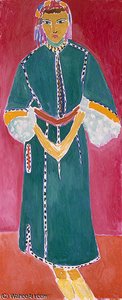
- Zorah Standing
- Art History
- Expressionist Art
- France
- Nasturtiums
- Bold Color Palette
- Vibrant Colors
- Kasbah
- Fauvist Painting
- Dynamic Brushstrokes
- Movement
- Color Theory
- Collage Art
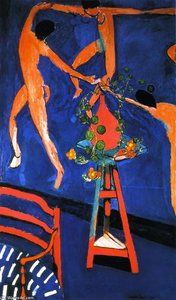
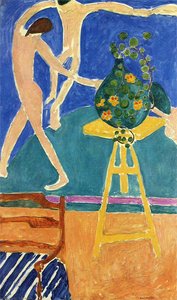
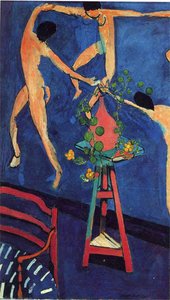
“Nasturtiums with ‘Dance’ (II)” by Henri Matisse embodies Fauvist colorism and captures movement inspired by “Dance” series—a masterpiece housed in Pushkin Museum, Moscow. Explore vibrant hues & artistic legacy!
This painting exemplifies Fauvist principles, rejecting traditional shading for impactful pigment application. Explore similar artworks by Matisse at WikiArt.org.
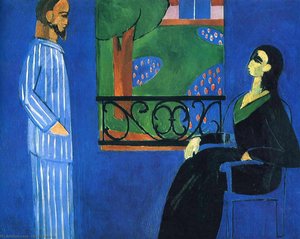
Explore 'Conversation' by Henri Matisse – a masterful Expressionist painting showcasing vibrant color and intricate composition housed in the Hermitage Museum.
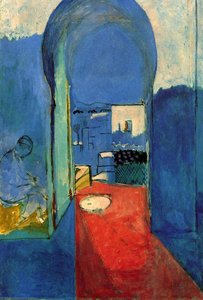
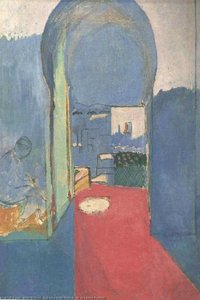
Henri Matisse's "Entrance to the Kasbah" (1912) is a vibrant Post-Impressionist masterpiece, showcasing bold colors and geometric forms. Own a reproduction of this iconic work by the French artist!
Experience Henri Matisse's 'Dance' – a vibrant Fauvist masterpiece bursting with color and movement! Explore its dynamic composition, artistic influences & legacy on modern art.
Henri Matisse’s “Nasturtiums with ‘Dance’ (II)” is a cornerstone of Fauvism, celebrated for its audacious color palette and expressive brushwork—a captivating piece showcased at the Pushkin Museum in Moscow. Created in 1912, it embodies the movement's revolutionary approach to artistic expression, reflecting Matisse’s profound influence on modern art.