Showing 11 artworks with Hieronymus Bosch and with 1500 and with Fantasy Art
-
Hieronymus Bosch
-
1500
-
Fantasy Art
Not available for this selection
- Black
- Espresso
- Walnut
- Rosy Brown
- Phthalo Green
- Quinacridone Magenta
- Gray
Not available for this selection
- Fantasy Art
- Hieronymus Bosch
- Renaissance Art
- Garden Of Earthly Delights
- Northern Renaissance
- Surrealism
- Religious Allegory
- Detailed Painting
- Medieval Art
- Triptych
- Triptych Painting
- Dutch Painter
- Moral Tale
- Medieval Symbolism
- Oil Painting
- Medieval Folklore
- Religious Art
- Oil On Panel
- Symbolism
- Oil On Oak Panel
- Religious Symbolism
- Medieval Painting
- Surreal Painting
- Bosch Masterpiece
- Renaissance Painting
- Moral Allegory
- Dutch Art
- Surreal Landscape
- Early Netherlandish
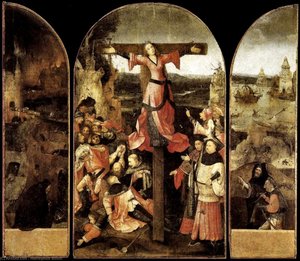
- Martyrdom St Liberata
- Biblical Themes
- Detailed Landscape
- Horses Scene
- Moral Symbolism
- 1500S Painting
- Wall Art Print
- Allegory
- Moral Corruption
- Ceremonial Sword
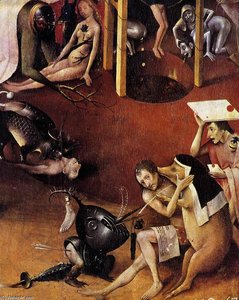
- Hell Imagery
- Fantastical Creatures
- Museo Del Prado
- Dark Mood
- Vibrant Colors
- Symbolic Art
- Sensual Pleasure
- Detailed Imagery
- Bosch
- Grotesque Imagery
- Creation Myth
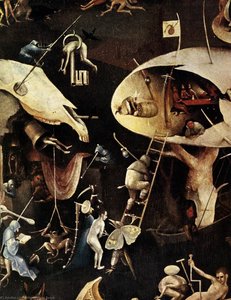
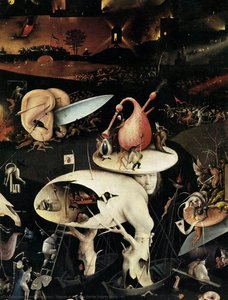
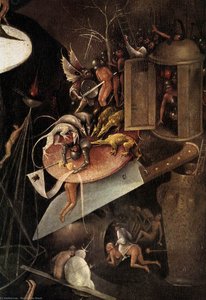
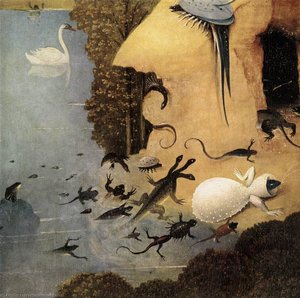
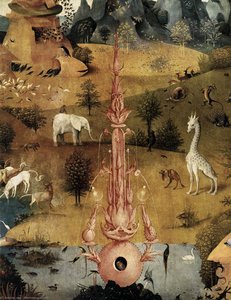
The Garden of Earthly Delights is Bosch’s most complex and enigmatic creation. For Falkenburg the overall theme is the fate of humanity, as in The Haywain Triptych.
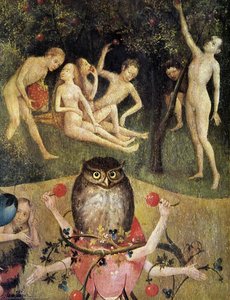
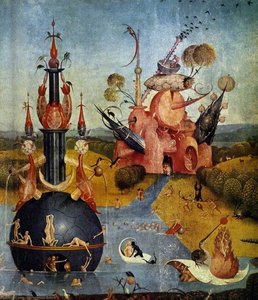
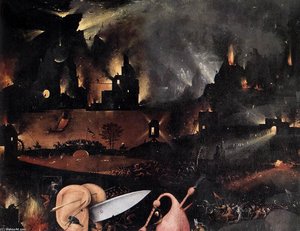
Explore a detail from Hieronymus Bosch's 'Garden of Earthly Delights,' a Renaissance masterpiece brimming with surreal symbolism, fantastical creatures, and moral allegory.
Explore Hieronymus Bosch's 'Garden of Earthly Delights'! This intricate triptych masterpiece showcases surreal symbolism, vibrant colors & moral commentary – a Renaissance icon.
Discover Hieronymus Bosch (c. 1450-1516), Dutch Renaissance master of surrealism & symbolism. Explore his iconic paintings, religious themes, and nightmarish visions – a lasting influence on art history.
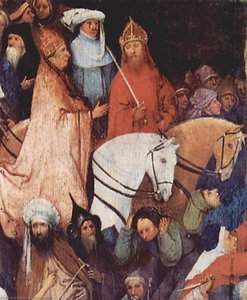
Bosch’s Haywain captures a haunting tableau of thirteen figures encircling horses amidst a ceremonial sword—a masterful depiction from the Early Netherlandish Renaissance that evokes unsettling symbolism and invites contemplation on faith and mortality.