Showing 12 artworks with Honoré Daumier

-
Honoré Daumier
Not available for this selection
- Espresso
- Gray
- Phthalo Green
- Putty
- Black
- Cobalt Violet
- Honoré Daumier
- Social Commentary
- French Impressionism
- Daumier Sculpture
- Realism Art Style
- Satire
- Lithograph
- Social Commentary Art
- Realism
- Victorian Art
- French Art
- Xix Century Art
- Napoleon Propaganda
- Railway Carriage
- Impressionistic Realism
- Historical Figure Art
- French Painter
- Fresco Painting
- Wall Art Decor
- Emotional Depth Art
- 19Th Century Painting
- Laundry Woman Portrait
- Portrait Woman Child
- Belgrade Museum
- Artistic Sensitivity Satire
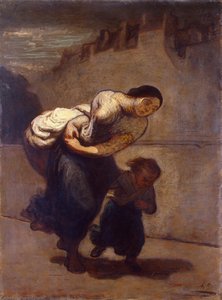
Daumier’s monochrome ‘Burden,’ a masterful Impressionistic Realism portrait housed in St. Petersburg's Hermitage Museum, captures Victorian womanhood’s quiet strength amidst societal constraints—a timeless piece to contemplate and cherish.
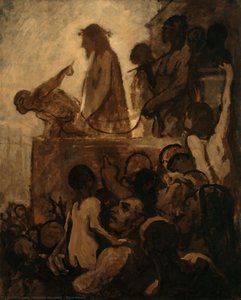
Explore Honoré Daumier's poignant Ecce Homo fresco – an unfinished masterpiece reflecting social critique and religious devotion, now famous for Cecilia Giménez’s unintentional restoration attempt.
Daumier’s poignant lithograph captures Parisian washerwoman labor under pressure during the Second Empire, showcasing masterful tonal gradation and chiaroscuro to convey quiet dignity amidst hardship—a timeless portrait by Honoré Daumier inviting you to explore this iconic artwork.
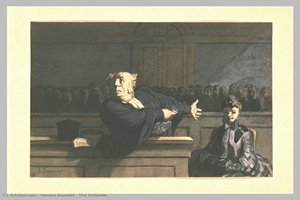
Experience the dramatic realism of Daumier's The Defender (c. 1865), capturing courtroom tension with expressive lines and muted tones; discover this masterpiece today.
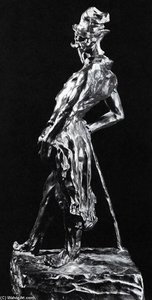
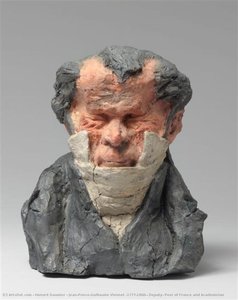
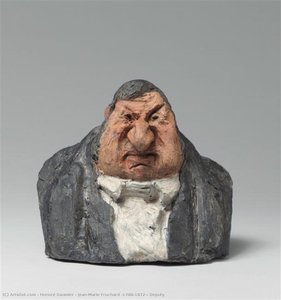
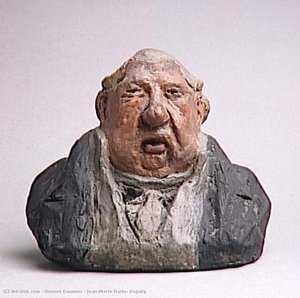
Experience Daumier's masterful realism with this poignant clay sculpture capturing the dignity of Jean-Ponce-Guillaume Viennet from 1833; discover this piece of French history today.
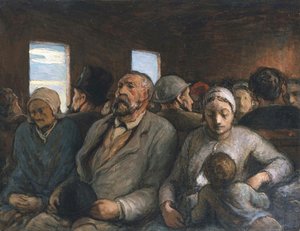
The Third-Class Carriage by Honoré Daumier is an unfinished oil painting portraying passengers in a cramped third class train car. It exemplifies Daumier's commitment to depicting everyday life with unflinching honesty and capturing the essence of human experience.
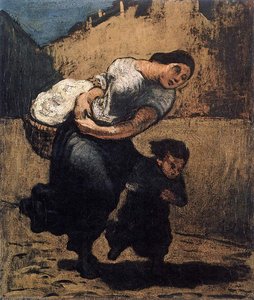
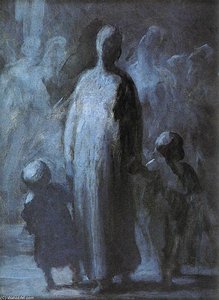
Explore Honoré Daumier's poignant depiction of familial urgency – 'Mother,' painted in 1855, captures a dramatic scene with expressive brushstrokes and dark hues at Belgrade’s National Museum.
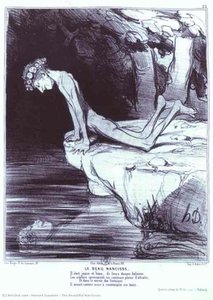
Daumier’s lithograph “The Beautiful Narcissus” captures the essence of Realism with expressive lines and tonal values depicting Narcissus' obsession with his reflection—a poignant critique of vanity within Greek mythology.
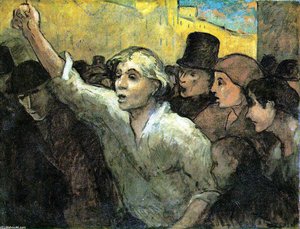
Honoré Daumier’s “The Uprising” portrays a gathering of people expressing defiance against authority, skillfully blending realism with expressive draftsmanship. This 1860 masterpiece exemplifies Daumier’s commitment to social commentary and artistic innovation.