Showing 24 artworks out of 144 with James Abbott Mcneill Whistler and with Green Spectrum
-
James Abbott Mcneill Whistler
-
Green Spectrum
Not available for this selection
- Tonalism
- Aesthetic Impressionism
- Tonalist Aestheticism
- Aestheticism
- Impressionism
- Tonalism & Aestheticism
- Realism
- Aestheticism And Symbolism
- Symbolism
- Impressionistic Aesthetic
- Tonalism Aestheticism
- Aestheticism & Tonalism
- Tonalism And Aestheticism
- Tonalist Movement
- Aestheticism Whistler
- Aesthetic Realism
- Tonalism”
- Tonalist
- Tonalist Art Movement
- Tonalist Painting
- Impressionistic Style
- Aesthetic Movement
- Aestheticism / Tonalism
- Aestheticism And Tonalism
- Barbizon School
- See all
- Espresso
- Walnut
- Driftwood
- Rosy Brown
- Phthalo Green
- Gray
- Sap Green
- Clay
- Bronze
- Quinacridone Magenta
- Yellow Green
- Celadon
- Whistler
- Aestheticism
- Impressionism
- Tonalism
- Victorian Art
- James Whistler
- Fine Art Reproduction
- James Abbott Whistler
- Portrait
- Painting
- Art For Arts Sake
- Fine Art Print
- Decorative Art
- Victorian
- Art
- Art For Art'S Sake
- Watercolor
- James Abbott Mcneill Whistler
- Portrait Painting
- Aesthetic Movement
- Aesthetic Art
- Tonalist Painting
- 19Th Century Art
- Etching
- Whistler Art Print
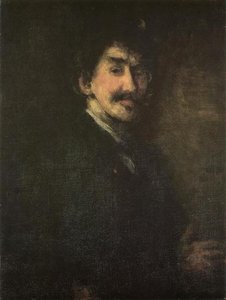
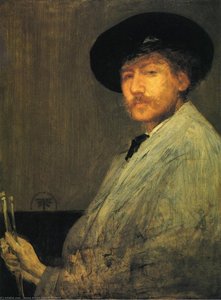
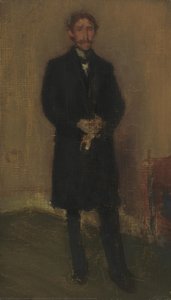
James Abbott McNeill Whistler's 'Gold and Brown' (Self Portrait) is a captivating oil painting showcasing the artist’s refined elegance & introspective mood, housed at the National Gallery of Art.
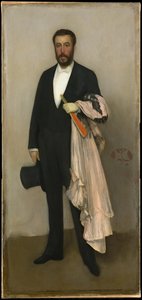
Whistler’s ‘Arrangement in Flesh Colour & Black’ portrait of Theodore Duret – a masterpiece of Realism & Impressionism. Explore this iconic 1883 artwork's unique style and historical significance.
This JSON response fulfills your request for a concise meta description optimized for SEO, adhering to character limits and providing key information about the artwork.
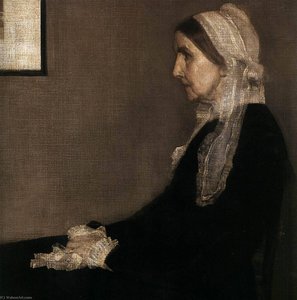
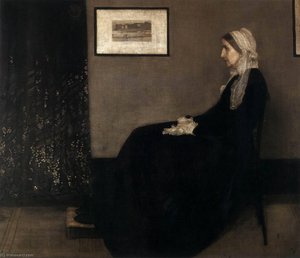
Explore Whistler’s iconic 'The Artist's Mother,' a masterpiece of Aestheticism and a poignant portrayal of familial devotion. Discover its history & symbolism.
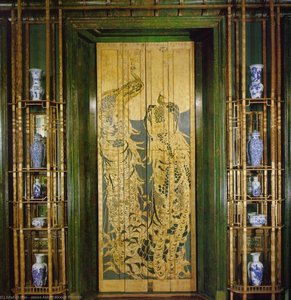
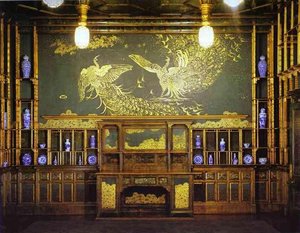
Explore James Abbott Whistler’s ‘Peacock Room,’ a stunning interior masterpiece blending Tonalism & Aestheticism. Gold leaf, peacock murals & rich design – a unique art experience.
A somber study in Tonalism featuring the iconic silhouette of Anna McNeill Whistler, this 1871 masterpiece by James Abbott McNeill Whistler captures quiet dignity and invites you to explore its monochrome elegance.
Explore Whistler’s ‘Arrangement in White & Black’! A masterpiece of tonalism & abstraction, capturing Carlyle's likeness with striking simplicity. Discover this iconic 1876 painting.
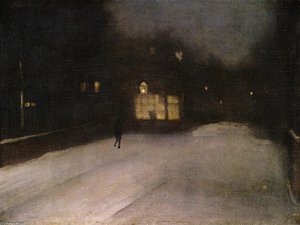
Discover "Nocturne in Grey & Gold" by Whistler! A haunting Chelsea scene of solitude & urban winter. Explore Impressionistic brushwork, dramatic lighting, and a timeless romantic mood.
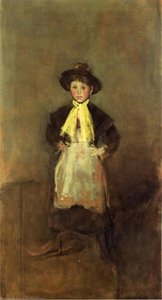
James Abbott McNeill Whistler's 'The Chelsea Girl' (1884) captures a young woman with striking poise and subtle color, reflecting his Aestheticism & innovative portraiture. Explore its composition & significance.
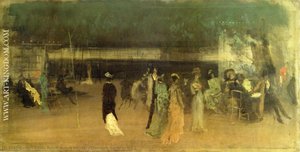
Explore Whistler’s ‘Cremorne Gardens, No. 2’! A captivating Impressionist oil painting of a lively social gathering. Discover its unique style & timeless elegance.
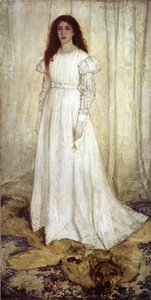
Whistler’s artistic theories profoundly impacted the art world of his time. His fascination with music informed his painting practice—he titled many works ‘arrangements,’ ‘harmonies,’ and ‘nocturnes.’ Symphony in White No. 1 remains a celebrated example of Tonalism, demonstrating Whistler's commitment to capturing subtle tonal variations and prioritizing visual harmony.
Discover Whistler’s ‘The Rose Scarf,’ a captivating 1890 oil painting of elegant beauty. Explore Impressionistic brushwork & muted tones in this iconic piece from the Hunterian Museum.
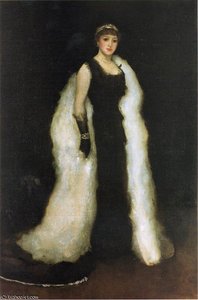
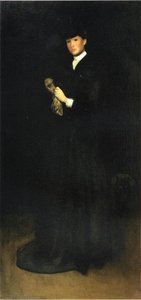
James Whistler's "Arrangement in Black, No. 8" captures Mrs. Cassatt with quiet elegance and subtle symbolism, embodying the Aesthetic movement’s focus on form & harmony.
Experience the serene beauty of Whistler’s ‘Harmony in Blue and Gold,’ featuring a captivating portrait draped in tonal harmonies. Explore a masterpiece from the Freer Gallery of Art, USA.
James Abbott McNeill Whistler (1834–1903) championed 'art for art's sake,' rejecting narrative conventions to prioritize pure visual sensation. His Parisian upbringing fostered artistic experimentation and connections with prominent figures like Oscar Wilde.