Showing 24 artworks out of 88 with James Abbott Mcneill Whistler and with James Whistler
-
James Abbott Mcneill Whistler
-
James Whistler
Not available for this selection
- Aesthetic Impressionism
- Tonalism
- Tonalism & Aestheticism
- Tonalist Aestheticism
- Aesthetic Realism
- Aestheticism
- Impressionism
- Aestheticism
- Aestheticism Tonalism
- Aesthetic Movement
- Aestheticism & Tonalism
- Tonalism Aestheticism
- Tonalism And Aestheticism
- Tonalist Aesthetic
- Tonalist Movement
- Impressionistic Aesthetic
- Impressionist Sketch
- Aestheticism And Symbolism
- Impressionist Harmony
- Impressionist Aesthetic
- Impressionist Landscape
- Tonalist Art Movement
- Impressionistic Tonalism
- Realism
- See all
- Gray
- Espresso
- Putty
- Rosy Brown
- Driftwood
- Phthalo Green
- Walnut
- Celadon
- Khaki
- Steel Blue
- Sap Green
- Quinacridone Magenta
- Clay
- Bronze
- Sea Green
- Aquamarine
- Brown
- Yellow Green
- White
- James Whistler
- Victorian Art
- Fine Art Reproduction
- Tonalism
- Fine Art Print
- Aestheticism
- Decorative Art
- Impressionism
- Art For Arts Sake
- Portrait Painting
- Aesthetic Movement
- Tonalist Painting
- Art Collector
- Tonalism Painting
- Japanese Influence
- American Painter
- Gift Idea
- Whistlers Mother
- Symbolic Art
- Aesthetic Art
- Whistler Mother
- Color Harmony
- Symbolic Painting
- British Impressionism
- Impressionist Style
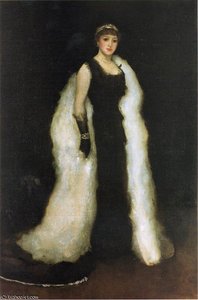
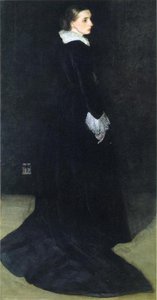
Whistler’s artistic vision was rooted in a rejection of academic conventions and a fervent belief that art should exist independently of moral or didactic purposes. He meticulously crafted his compositions to achieve maximum visual impact, prioritizing tonal harmony and subtle nuances of light.
James Abbott McNeill Whistler (1834-1903) championed 'art for art's sake,' rejecting moralizing narratives. His exploration spanned from West Point to the U.S. Coast Survey, fostering adaptability and exposure to diverse environments.
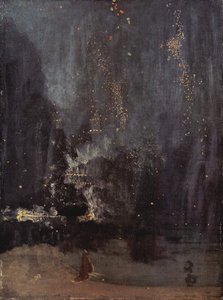
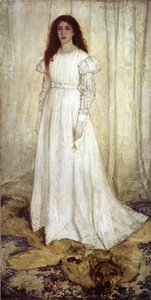
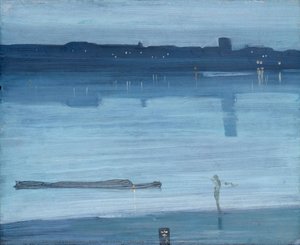
Whistler’s artistic theories profoundly impacted the art world of his time. His fascination with music informed his painting practice—he titled many works ‘arrangements,’ ‘harmonies,’ and ‘nocturnes.’ Symphony in White No. 1 remains a celebrated example of Tonalism, demonstrating Whistler's commitment to capturing subtle tonal variations and prioritizing visual harmony.
James Abbott McNeill Whistler (1834–1903) championed 'art for art's sake,' rejecting narrative conventions to prioritize pure visual sensation. His Parisian upbringing fostered artistic experimentation and connections with prominent figures like Oscar Wilde.
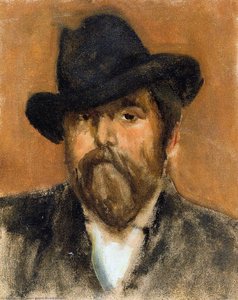
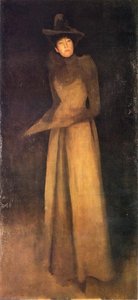
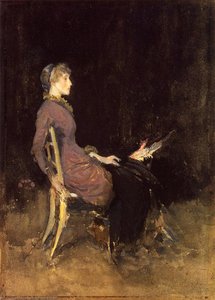
Delve into Whistler's "Harmony in Brown" – a serene tonalist portrait capturing quiet contemplation and Symbolist elegance. Explore its rich hues & masterful technique at ArtsDot.
James Abbott McNeill Whistler
Nocturnes, L 98 (also known as Trois Nocturnes or Three Nocturnes) is an Impressionist orchestral composition in three movements by the French composer Claude Debussy, who wrote it between 1892 and 1899.