Showing 5 artworks with James Abbott Mcneill Whistler and with Tonalist Style
-
James Abbott Mcneill Whistler
-
Tonalist Style
Not available for this selection
- Sea Green
- Espresso
- Walnut
- Cobalt Violet
- Putty
Not available for this selection

- Tonalist Style
- Whistler Nocturne
- Quiet Venice Scene
- Victorian London Painting
- Oil On Wood Panel
- Art For Arts Sake
- Monochrome Portrait
- Blue Gold Color Palette
- James Mcneill Whistler
- St Marks Square Venice
- Moonlight Reflection
- Intricate Cross-Hatching
- Late Victorian Art
- Blue Silver Palette
- Quiet Dignity
- Impressionistic Art
- Atmospheric Mood
- Symbolic Landscape
- Old Woman Sorting Rags
- Romantic Landscape Painting
- James Whistler Artist
- Artistic Vision
- Man In Suit
- Venetian Lagoon
- European Avant-Garde
- Atmospheric Impressionism
- Chelsea Artwork
- Victorian Tonalism
- Subtle Tonalism
- Venice Cathedral
- British Impressionism Whistler
- Evening Impressionism
- Old Battersea Bridge Symbol
- Atmospheric Perspective
- Textured Drypoint
- Chelsea Battersea Bridge
- Fine Art Reproduction Whistler
- Blue Gold Painting
- Grayscale Palette
- James Abbott Whistler Art
- Shades Of Gray
- Atmospheric Painting
- Quiet Beauty
- Light And Shadow
- Nocturne Series Art
- Impressionism Thames Bridge
- Quiet Contemplation
- Aesthetic Movement
- Venetian Art
- Color Harmony
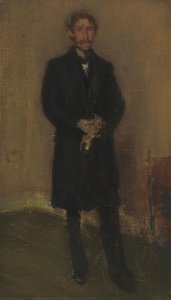
A serene monochrome portrait of Alexander Arnold Hannay by Tonalist master James Abbott McNeill Whistler captures a sense of quiet contemplation through subtle shades of gray, inviting you to explore this aesthetic masterpiece.
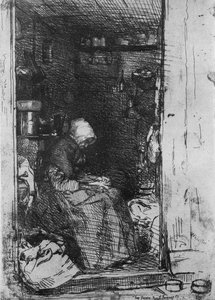
A poignant monochrome etching by James Abbott McNeill Whistler captures the quiet dignity of an elderly woman sorting rags through masterful Tonalist textures, inviting you to bring this atmospheric masterpiece into your home.
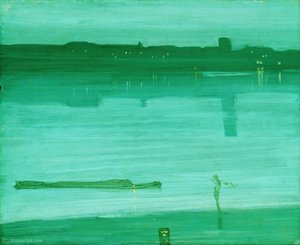
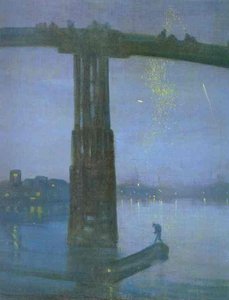
James Abbott McNeill Whistler's Nocturne: Blue and Gold - Old Battersea Bridge (1872-1875) is an iconic Impressionist painting depicting the Battersea Bridge under moonlight. Known for its muted palette, loose brushstrokes, and exploration of atmospheric perspective, it exemplifies Whistler’s ‘art for art’s sake’ philosophy and remains a celebrated symbol of Victorian London's artistic spirit.