Showing 24 artworks out of 49 with Jan Van Eyck and with Early Netherlandish Painting
-
Jan Van Eyck
-
Early Netherlandish Painting
Not available for this selection
- Espresso
- Phthalo Green
- Quinacridone Magenta
- Walnut
- Driftwood
- Brown
- Rosy Brown
- Bronze
- Putty
- Black
- Clay
- Gray
- Early Netherlandish Painting
- Jan Van Eyck
- Medieval Art
- Renaissance Art
- Ghent Altarpiece
- Religious Iconography
- Symbolism
- Religious Art
- Oil Paint
- Flemish Art
- Northern Renaissance
- Oil Painting Technique
- Arnolfini Portrait
- Detail Painting
- Detail
- Northern Renaissance Art
- Oil Paint Technique
- Virgin Mary
- Oil Painting
- Renaissance Painting
- Realism
- Religious Symbolism
- Fine Art Print
- Medieval Flemish Art
- Detailed Artwork
- Bruges
- Flemish Renaissance
- Portraiture
- Flemish Primitives
- Oil Paint Innovation
- Realistic Painting
- Renaissance Influence
- Annunciation
- Renaissance Masterpiece
- Saint Donatian
- Saint George
- Symbolism Art
- Glazing Technique
- Lamb Of God
- Flemish Painting
- Renaissance Style
- Virgin Mary Icon
- Fresco
- Northern Renaissance Style
- Maastricht Artist
- Lamb Adoration
- Medieval Portraiture
- Renaissance Flemish Art
- Bruges Art
- Art History Masterpiece
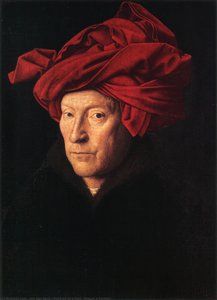
Admire Jan van Eyck’s masterful Portrait of a Man (Self Portrait?), showcasing meticulous detail and realism—a groundbreaking achievement in Early Netherlandish painting, celebrated for its striking composition and profound psychological insight.
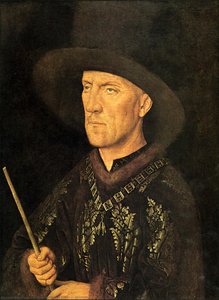
Admire Jan van Eyck’s masterful Portrait of Baudouin de Lannoy (1435), housed in Berlin's Gemäldegalerie! Explore its intricate detail & revolutionary oil painting technique – a cornerstone of Renaissance art.
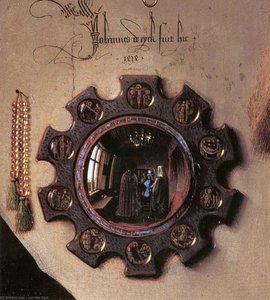
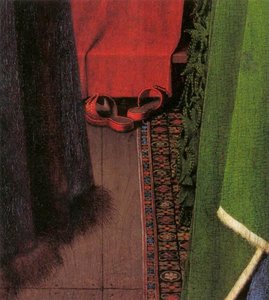
Explore Jan van Eyck’s iconic 'Arnolfini Portrait'! A masterpiece of 15th-century realism, symbolism & oil painting. Discover its rich details, historical significance & timeless beauty.
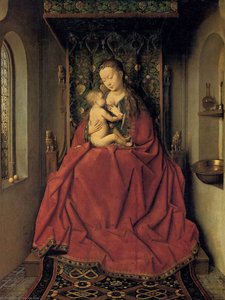
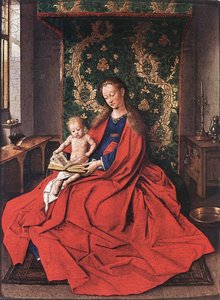
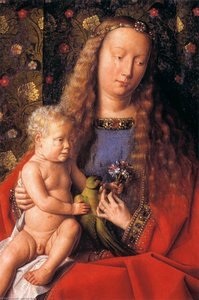
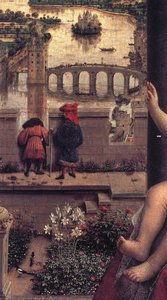
Jan van Eyck's 'Suckling Madonna Enthroned,' painted in 1436, showcases Mary cradling Jesus Christ on a throne adorned with symbolic elements—a mirror image window and a bowl—demonstrating masterful realism.
Jan van Eyck ( van EYEK; Dutch: [ˈjɑɱ vɑn ˈɛik]; c. before 1390 – 9 July 1441) was a Flemish painter active in Bruges who was one of the early innovators of what became known as Early Netherlandish painting, and one of the supreme figures of the Early Northern Renaissance. Such was his legacy, that he has been called “the
Jan van Eyck, born around 1390 in Maastricht, revolutionized painting with oil paint techniques. His workshop in The Hague produced masterpieces like ‘The Ghent Altarpiece,’ showcasing unparalleled detail and capturing the essence of faith.
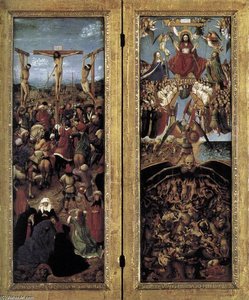
Admire Jan van Eyck's masterpiece, the Diptych – a stunning depiction of The Crucifixion and Last Judgment featuring intricate detail and biblical symbolism. Explore its history & artistic significance!
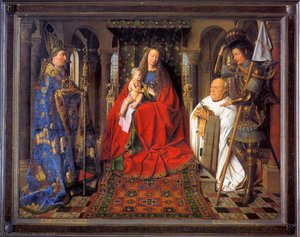
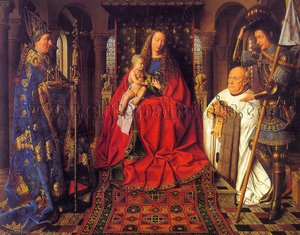
Jan van Eyck’s ‘Madonna with Canon van der Paele,’ completed around 1436, showcases his revolutionary oil technique and profound understanding of religious iconography. Commissioned by Joris van der Paele as a memorial altar piece for St Donatian's Cathedral, Bruges, it exemplifies humanist ideals and masterful spatial illusionism.
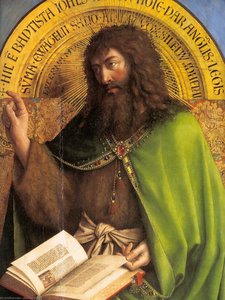
Explore Jan van Eyck's masterpiece, 'The Ghent Altarpiece: St John the Baptist (detail).' Discover intricate detail & symbolism in this pivotal Early Netherlandish painting.
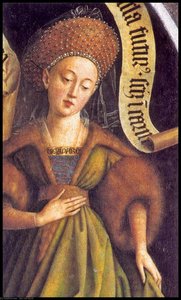
Delve into Jan van Eyck’s masterpiece, ‘The Cumaean Sibyl,’ from the Ghent Altarpiece! Explore its luminous detail and profound symbolism—a revolutionary achievement of Early Netherlandish painting that redefined artistic representation.
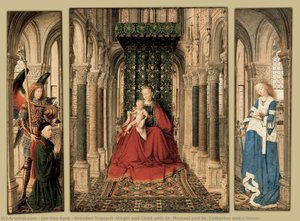
The Dresden Triptych is considered one of Van Eyck’s most important works, showcasing his groundbreaking approach to pigment and texture. Its influence extended far beyond its immediate context, establishing a new standard for artistic realism and inspiring generations of artists.
Discover Jan van Eyck’s ‘Madonna with Canon van der Paele,’ a masterpiece of Northern Renaissance art. Explore its rich symbolism & stunning detail – a timeless work of devotion.
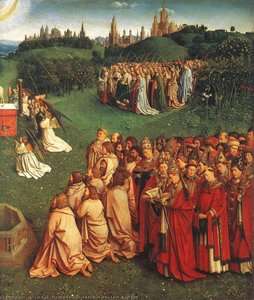
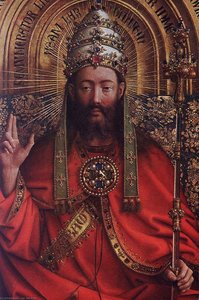
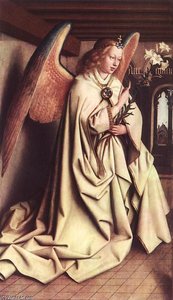
“The Ghent Altarpiece” by Jan van Eyck is a masterpiece of Early Netherlandish painting renowned for its meticulous detail and symbolic representation of faith—a cornerstone of Flemish art history.
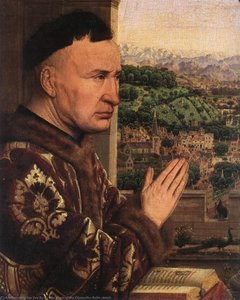
Further research suggests that the painting's commission was driven by Rolin's desire to commemorate his wife's piety and invoke divine blessing upon their family. The meticulous depiction of textures—particularly the fabric of Mary’s robes—is considered a landmark achievement in artistic technique, influencing subsequent generations of painters.
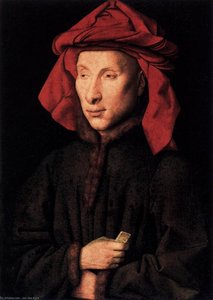
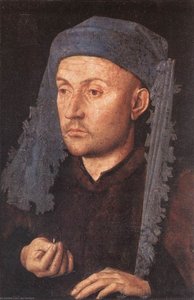
Portrait of a Goldsmith (Man with Ring) - Jan van Eyck's masterpiece showcases meticulous detail and innovative oil painting techniques, capturing the essence of Renaissance artistry.