Showing 7 artworks with Jan Van Eyck and with Medieval Flemish Art
-
Jan Van Eyck
-
Medieval Flemish Art
Not available for this selection
- Walnut
- Phthalo Green
- Espresso
- Clay
- Rosy Brown
- Putty
- Medieval Flemish Art
- Religious Iconography
- Northern Renaissance Art
- Early Netherlandish Painting
- Jan Van Eyck
- Oil Painting Technique
- Annunciation Painting
- Detailed Artwork Reproduction
- Religious Symbolism
- Renaissance Masterpiece
- Biblical Narrative
- Detailed Fresco Technique
- Detailed Realism
- Gabriel Angel Statue
- Perspective Architecture
- Medieval Portraiture
- Arnolfini Wedding Portrait
- Urban Landscape View
- Ghent Altarpiece Influence
- Renaissance Art Detail
- Religious Painting
- Holy Spirit Inspiration
- Lamb Of God Scene
- Galleria Sabauda Turin
- Holy Land Symbolism
- Jan Van Eyck Diptych
- Silverpoint Drawing Technique
- Ghent Altarpiece Symbolism
- Medieval Flemish Artistry
- Jan Van Eyck Legacy
- Niccolò Albergati
- Van Eyck Portrait
- Holy Spirit Dove
- Oil Paint Technique
- Bruges Masterpiece
- Portrait Painting Mastery
- Oil On Canvas Reproduction
- Biblical Adam And Eve Scene
- Renaissance Influence
- Dutch Art History Significance
- Van Eyck Altarpiece
- Portrait Dignity Confidence
- Dutch Renaissance Artist
- Arras Peace Congress
- Jan Van Eyck Masterpiece
- Oil Paint Mastery
- Medieval Art History
- Renaissance Humanism
- Burnishing Glazing Method
- Dresden Kupferstichkabinett
Jan van Eyck ( van EYEK; Dutch: [ˈjɑɱ vɑn ˈɛik]; c. before 1390 – 9 July 1441) was a Flemish painter active in Bruges who was one of the early innovators of what became known as Early Netherlandish painting, and one of the supreme figures of the Early Northern Renaissance. Such was his legacy, that he has been called “the
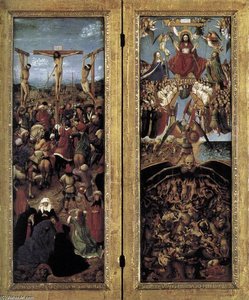
Admire Jan van Eyck's masterpiece, the Diptych – a stunning depiction of The Crucifixion and Last Judgment featuring intricate detail and biblical symbolism. Explore its history & artistic significance!
Jan van Eyck ( van EYEK; Dutch: [ˈjɑɱ vɑn ˈɛik]; c. before 1390 – 9 July 1441) was a Flemish painter active in Bruges who was one of the early innovators of what became known as Early Netherlandish painting, and one of the supreme figures of the Early Northern Renaissance. Such was his legacy, that he has been called “the
A Traditional Drawing Technique</a> on ArtsDot. Additionally, you can find more information on Jan Van Eyck and his works at <a href=