
Showing 4 artworks with John Claude Nattes
-
John Claude Nattes
Not available for this selection
- Phthalo Green
- Gray
- Rosy Brown
- Putty
Not available for this selection


- 18Th Century Art
- John Claude Nattes
- British Watercolor
- Architectural Detail
- Landscape Painting
- Watercolor Painting
- Georgian Architecture
- Historical Landscape
- River Valley Scene
- Architectural Art
- Reflected River Scene
- Old Bath Cityscape
- Historical Engraving
- Bath Wick Ferry
- Muted Color Palette
- Topographical View
- Topographical Art
- Topographical Engraving
- Scenic Watercolor
- Cool Color Palette
- Watercolor Technique
- Cityscape Landscape
- Detailed Line Work
- Serene Landscape Art
- Historical Watercolor
- Bridge Architecture
- Cityscape Painting
- Classical Composition
- Bath England Artwork
- Topographical Drawing
- Urban Cityscape
- Neoclassical Painting
- British Landscape Art
- Classical Painting
- Lincoln County Drawings
- Pont-Au-Change View
- 18Th Century Painting
- River Scene Artwork
- Urban Landscape Art
- Watercolor Drawing Style
- Vintage City Scene
- Classical Art Style
- Royal Crescent Bath
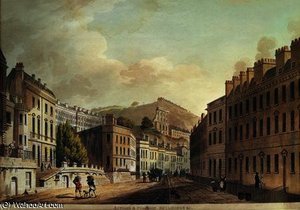
Admire John Claude Nattes’ ‘Axford & Paragon Buildings,’ a stunning 1798 topographical engraving of Bath, England. Detailed Georgian architecture & serene landscape.
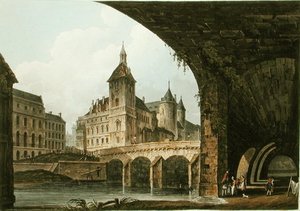
Discover John Claude Nattes’ "View Of The Pont-au-change," a neoclassical cityscape painting showcasing architectural detail & atmospheric perspective. Explore this British watercolor's beauty!
Admire 'New Bridge' by John Claude Nattes – a classical 18th-century watercolor landscape showcasing urban life & atmospheric perspective. Explore this British topographical view!
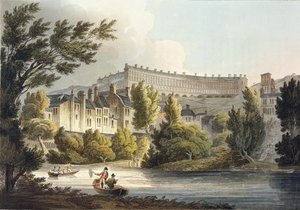
Admire John Claude Nattes’ "Bath Wick Ferry," a serene 18th-century watercolor landscape of the Royal Crescent. Explore its neoclassical style & historical significance.
