Showing 7 artworks with Katsushika Hokusai
-
Katsushika Hokusai
Not available for this selection
- Putty
- Espresso
- Rosy Brown
Not available for this selection
- Japanese Art
- Ukiyo-E Print
- Edo Period Art
- Japanese Culture
- Mount Fuji Landscape
- Hokusai Masterpiece
- Edo Period Painting
- Impressionist Influence
- Woodblock Printing Technique
- Woodblock Printing
- Fine Art Reproduction
- Hokusai Painting
- Kanagawa Wave Style
- Japanese Landscape
- Japanese Decorative Art
- Fine Art Print
- Hayano Kanbei
- Still Life Print
- Fishing Scene
- Impressionism Influence
- Home Decor
- Scenic View
- Traditional Japanese Objects
- Warrior Portrait
- Ancient Japan Scene
- Hokusai Print
- Brooklyn Museum Collection
- Folklore Art
- Giant Eels Fishing
- Samurai Warrior
- Classical Painting
- Ink Wash Painting
- Classical Art
- Nature Depiction
- Umbrellas Symbolism
- Japanese Scenery
- Tranquility
- Okaru
- Katsushika Hokusai
- 1822 Painting
- Poetry Inspiration
- Female Samurai Role
- Serene Garden
- Art History
- Serene Scene
- Traditional Japanese Style
- Meditative Art
- Gift Idea
- Landscape Print
- Panoramic View
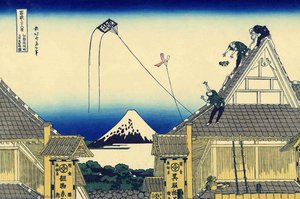
Captured in breathtaking detail during Edo Period Japan, Katsushika Hokusai’s ‘Mitsui Shop on Suruga Street in Edo’ portrays a vibrant village scene dominated by Mount Fuji's majestic presence—a timeless masterpiece inviting you to explore its serene beauty.
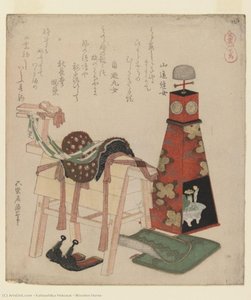
This exquisite woodblock print by Katsushika Hokusai, created around 1822, exemplifies the Ukiyo-e style. Measuring 21 x 18 cm, it’s a masterful depiction of a wooden horse adorned with fabrics resembling a saddle and other riding accessories, alongside decorative pedestal and footwear. Currently residing in the Brooklyn Museum, this artwork offers insight into Japanese cultural artifacts.
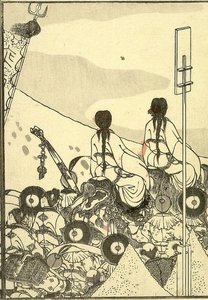
Katsushika Hokusai Tokyo Japan 1760 1849 The image is a painting of two people sitting on the backs of horses in front of a crowd of people. The scene appears to be set in ancient times, as evidenced by the clothing and hairstyles of the individuals involved. One person is seated on the left side of the image, while the other is positioned more towards the center. There are several other peop
This painting, attributed to Katsushika Hokusai (1760-1849), exemplifies the artist’s masterful technique in capturing atmospheric perspective and detailed observation of nature. Known primarily for *The Great Wave off Kanagawa*, Hokusai's oeuvre encompassed a vast range of subjects—landscapes, seascapes, prints inspired by Western Impressionism, and even manga—demonstrating his adaptability and e
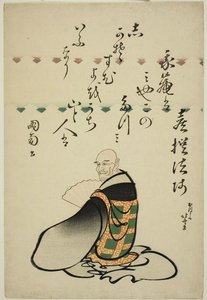
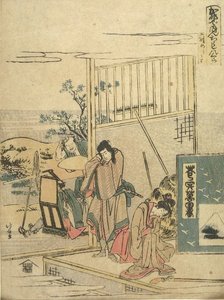
--- This artwork depicts a contemplative man seated on the ground, symbolizing inner peace amidst nature’s grandeur. Created by Katsushika Hokusai around 1810, it's part of the acclaimed ‘Six Immortal Poets’ series and exemplifies Hokusai’s masterful use of monochrome to convey profound emotion. The piece showcases intricate details reflecting Japanese artistic traditions and is housed at The Art
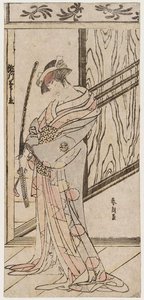
Explore Katsushika Hokusai's masterpiece 'Actor Segawa Kikunojo III as a Woman of a Samurai Family,' depicting a samurai warrior holding two swords, capturing the spirit of Edo-period Japan.
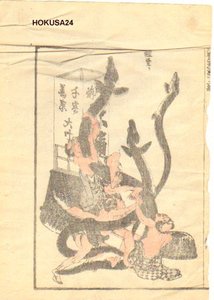
This striking woodblock print showcases a fisherman engaged in a dramatic confrontation with two enormous eels, capturing the essence of traditional Japanese fishing practices. Created around 1838-1842 by Hokusai, it exemplifies his signature style and enduring influence on Western art. Explore Katsushika Hokusai's 'Big Eels,' a captivating woodblock print depicting fishermen battling colossal ee