Showing 24 artworks out of 75 with Katsushika Hokusai
-
Katsushika Hokusai
Not available for this selection
- Japanese Landscape Painting
- Impressionism
- Japanese Ukiyo-E
- Impressionistic Landscape
- Japanese Landscape Print
- Japanese Landscape
- Japanese Edo
- Ukiyo-E
- Japanese Edo Period Style
- Ukiyo-E Impressionism
- Japanese Ukiyo-E Style
- Japanese Ukiyo-E Tradition
- Japanese Edo Style
- Japanese Art
- Ukiyo-E Style
- Japanese Landscape Printmaking
- See all
- Putty
- Rosy Brown
- Gray
- Espresso
- Sap Green
- Prussian Blue
- Phthalo Green
- Clay
- Driftwood
- Black
- Khaki
- White
Not available for this selection
- Japanese Art
- Fine Art Reproduction
- Landscape Painting
- Hokusai
- Ukiyo-E Print
- Edo Period
- Edo Period Art
- Impressionism Influence
- Hokusai Masterpiece
- Japanese Culture
- Woodblock Printing
- Traditional Japanese Art
- Woodblock Print
- Japanese Painting
- Ukiyo-E
- Nineteenth Century Art
- Edo Period Painting
- Tranquility
- Japanese Aesthetics
- Traditional Art
- Hokusai Print
- Fine Art Print
- Ukiyo-E Prints
- Bijin-Ga
- Mount Fuji
- Ukiyo-E Painting
- Zen Garden Aesthetic
- Traditional Clothing
- Hokusai Painting
- Landscape Art
- Landscape Composition
- Symbolic Imagery
- Japanese Landscape
- Kanagawa Wave Influence
- Detail
- Zen Buddhism
- Floral Arrangement
- Serene Beauty
- Impressionist Influence
- Botanical Illustration
- Hokusai Prints
- Ukiyo-E Style
- Color Palette
- Scenic View
- Symbolism
- Japanese Prints
- Landscape Print
- Serene Scene
- Watercolor
- Floral Composition
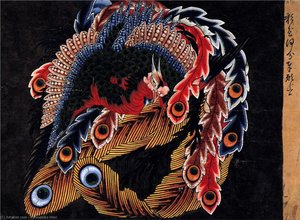
This stunning mural by Katsushika Hokusai, featuring a majestic phoenix amidst pine branches, embodies tranquility and spiritual contemplation. Located in Nagano Prefecture’s Ganshoin Temple, it's a testament to Hokusai's enduring influence on Japanese art and landscape painting. Discover its history, symbolism, and the temple's serene surroundings – a must-see for art enthusiasts! Admire Katsush
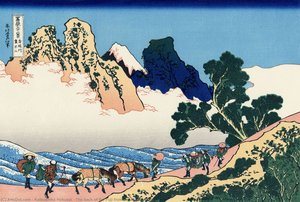
Experience the serene beauty of Katsushika Hokusai’s masterful depiction of Fuji from Minobu River—a quintessential Edo-period landscape capturing a tranquil beach scene with figures and horse amidst towering mountains, inviting you to explore this iconic artwork.
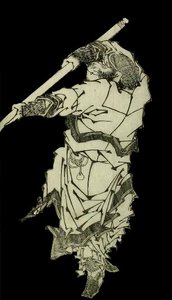
Explore Katsushika Hokusai's masterful depiction of Sun Wukong wielding his staff – a powerful symbol of strength and determination from the iconic Great Wave series.
Katsushika Hokusai (1760-1849), a titan of ukiyo-e, relentlessly pursued artistic mastery from humble beginnings. His legacy includes iconic prints like 'The Great Wave' and profound influence on Western art. Created during the Edo period, this artwork embodies Japan’s fascination with nature and reflects Hokusai’s innovative approach to landscape painting. Executed in ukiyo-e style (woodblock p
Travelers Walking: A serene Edo-period landscape print by Hokusai's daughter, Ōi, featuring two men traversing a temple path amidst rolling hills—a masterful blend of observation and vibrant Prussian blue pigment.
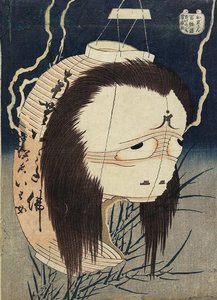
Delve into the haunting beauty of Katsushika Hokusai’s ‘The Lantern Ghost,’ inspired by Japanese folklore and featuring Oiwa, a vengeful spirit from Yotsuya Kaidan. Explore its symbolism & influence on Impressionist art.
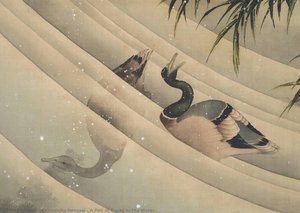
Admire Katsushika Hokusai's 'A Pair of Ducks,' a serene woodblock print capturing two ducks amidst a snowy landscape. Witness the artist’s masterful detail and evocative composition – a timeless Japanese treasure.
Ōi's influence extends beyond her own creations; she fostered the artistic spirit within her family and contributed significantly to the broader ukiyo-e movement.
Katsushika Ōi (葛飾応為), daughter of the iconic Hokusai, was a prolific ukiyo-e artist celebrated for her skill in handwriting and bijin-ga paintings depicting beautiful women. Alongside her father's influence, she honed her craft under Tsutsumi Torin III, producing stunning works like "Kinuta or Beauty Fulling Cloth in the Moonlight" and "Yoshiwara Night Scene." Ōi’s legacy extends beyond her artist
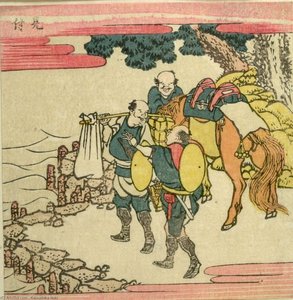
Captured in Hokusai’s masterful Impressionistic style during Japan's Edo Period, ‘Three Travelers Waiting For Ferry’ depicts a serene coastal scene brimming with anticipation—a lone horse and three men poised for a voyage across the water.
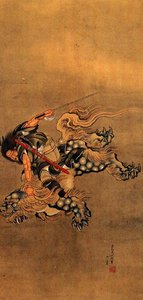
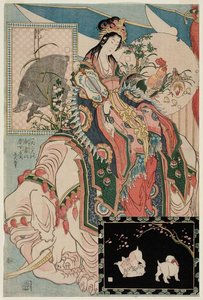
Hokusai Experience the majesty of Katsushika Hokusai’s ‘Shoki riding a shishi lion,’ a captivating Ukiyo-E print depicting a heroic dragon battling a fearsome lion, capturing timeless beauty and mythological symbolism.
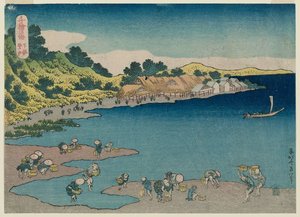
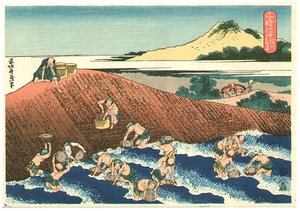
This artwork, ‘Noborito In Shimōsa Province,’ exemplifies Katsushika Hokusai’s mastery of ukiyo-e prints. Executed around 1833 during the Edo period, it depicts a lively beach scene featuring fishermen and individuals enjoying the ocean's beauty. Published by Moriya Jihei (Kinshindô), this horizontal chûban print showcases meticulous ink and color techniques on paper. Recognized as one of Hokusai’
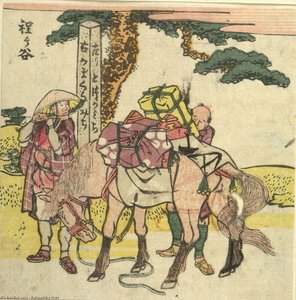
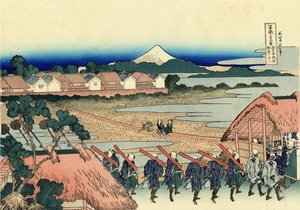
“Men Loading A Horse” by Katsushika Hokusai exemplifies Zen Buddhist principles of simplicity and contemplation through masterful *ukiyo-e* technique, capturing Mount Fuji’s majesty and symbolizing harmonious human interaction with nature.
Katsushika Ōi (葛飾 お栄), daughter of the renowned Hokusai, was a prolific ukiyo-e artist who honed her skills under Torin III and collaborated closely with her father on numerous projects. Known for her exquisite bijin-ga paintings depicting idealized female figures—such as *Kinuta or Beauty Fulling Cloth in the Moonlight*, *Yoshiwara Night Scene*, and *Mount Fuji through a Bamboo Forest*—Ōi achieve
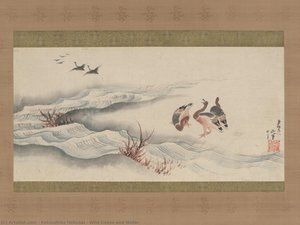
Experience the serene beauty of Katsushika Hokusai's 'Wild Geese and Water,' a masterpiece of Edo-period ukiyo-e art depicting majestic geese soaring over crashing ocean waves – an iconic image influencing Impressionism.
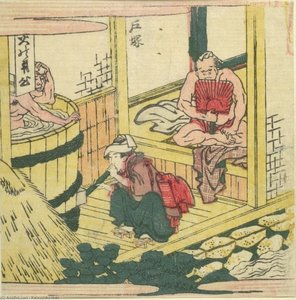
Experience the serene beauty of Hokusai’s *Two Men Taking A Bath*, capturing a tranquil moment in Edo-period Japan with masterful woodblock printing and evocative depictions of everyday life – explore exquisite reproductions today.
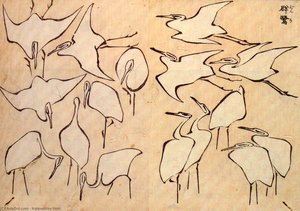
Hokusai Explore Katsushika Hokusai’s serene depiction of cranes – a masterful Ukiyo-e print from 1823 capturing the beauty and grace of these birds against a textured sky.
Katsushika Ōi (1800–1866) was a Japanese ukiyo-e artist renowned for her exquisite bijin-ga paintings alongside her father, Katsushika Hokusai. Collaborating with him and mastering calligraphy, Ōi produced celebrated pieces reflecting the beauty of women and capturing the spirit of Edo Japan. Explore Katsushika Ōi's captivating bijin-ga paintings and her role as Hokusai’s assistant, showcasing th
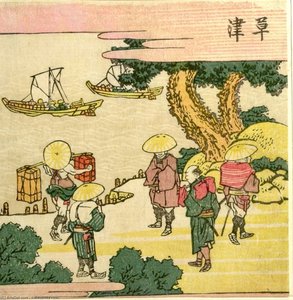
Experience the serene beauty of Katsushika Hokusai's 'Travelers By The Lake Biwa,' part of the iconic Fifty-Three Stations series! Explore Japanese art history and discover its influence.