Showing 24 artworks out of 35 with Katsushika Hokusai
-
Katsushika Hokusai
Not available for this selection
- Putty
- Rosy Brown
- Driftwood
- Espresso
- Gray
- Khaki
- Black
- Clay
Not available for this selection
- Japanese Art
- Fine Art Reproduction
- Ukiyo-E Print
- Edo Period Art
- Landscape Painting
- Symbolic Imagery
- Woodblock Printing
- Japanese Culture
- Hokusai Masterpiece
- Hokusai
- Kanagawa Wave Influence
- Fine Art Print
- Edo Period Painting
- Ukiyo-E Painting
- Edo Period
- Impressionism Influence
- Zen Garden Aesthetic
- Traditional Japanese Art
- Mount Fuji Landscape
- Hokusai Print
- Zen Buddhism
- Zen Aesthetic
- Impressionist Influence
- Floral Still Life
- Mount Fuji
- Landscape Composition
- Japanese Aesthetics
- Serene Composition
- Hokusai Landscape
- Ukiyo-E Style
- Hokusai Painting
- Traditional Clothing
- Landscape Print
- Japanese Woodblock Print
- Floral Composition
- Japanese Tradition
- Katsushika Hokusai
- Tranquility
- Botanical Art
- Ukiyo-E
- Japanese Painting
- Vintage Print
- Floral Painting
- Symbolism
- Landscape Impressionism
- Bird Painting
- Japanese Art History
- Impressionistic Style
- Japanese Landscape
- Kanagawa Wave
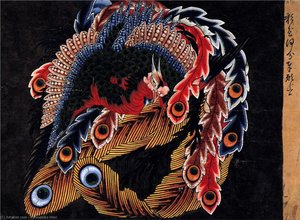
This stunning mural by Katsushika Hokusai, featuring a majestic phoenix amidst pine branches, embodies tranquility and spiritual contemplation. Located in Nagano Prefecture’s Ganshoin Temple, it's a testament to Hokusai's enduring influence on Japanese art and landscape painting. Discover its history, symbolism, and the temple's serene surroundings – a must-see for art enthusiasts! Admire Katsush
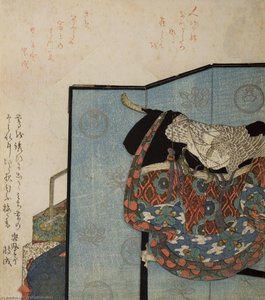
This artwork, titled ‘First Dream Of The New Year,’ showcases a captivating scene of two women engaging in New Year customs – one binding a treasure ship image to her pillow for good fortune dreams, while the other washes her face with fresh water to dispel evil spirits. Created around 1825 during Hokusai’s prolific period, this print exemplifies his masterful use of bold lines and vibrant colors,
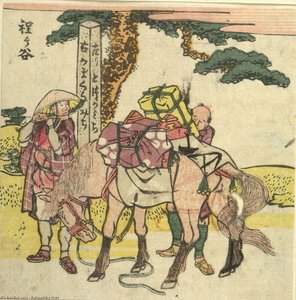
“Men Loading A Horse” by Katsushika Hokusai exemplifies Zen Buddhist principles of simplicity and contemplation through masterful *ukiyo-e* technique, capturing Mount Fuji’s majesty and symbolizing harmonious human interaction with nature.
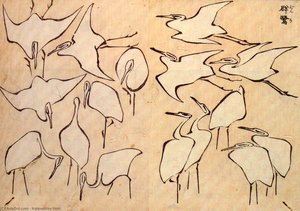
Hokusai Explore Katsushika Hokusai’s serene depiction of cranes – a masterful Ukiyo-e print from 1823 capturing the beauty and grace of these birds against a textured sky.
Umazukushi Komashobu is a stunning ukiyo-e print by Katsushika Hokusai depicting a woman holding a fan adorned with birds. Created around 1822, this masterpiece exemplifies Hokusai's masterful technique and enduring influence on Western art.
Captured in Hokusai’s masterful Ukiyo-e style during the Edo period, ‘Boy’ portrays a boy before an umbrella—a symbol of resilience—against Mount Fuji's grandeur. Explore this evocative print and bring timeless beauty into your home.
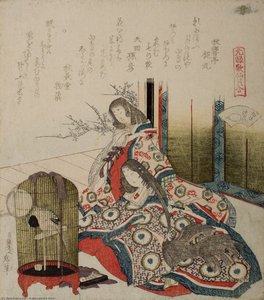
Hokusai Experience the serene beauty of Katsushika Hokusai's 'Court Ladies With Caged Pheasant,' a captivating glimpse into Edo-period Japan through exquisite ukiyo-e artistry and symbolic detail.
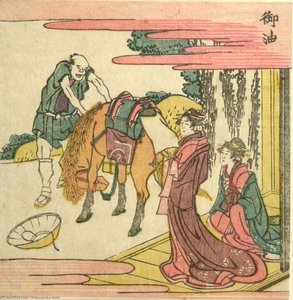
This stunning woodblock print depicts two courtesans respectfully acknowledging a man accompanied by a horse, capturing the essence of Edo period Japan. Created in 1810 by Hokusai, it exemplifies his mastery of landscape artistry and remains a celebrated masterpiece.
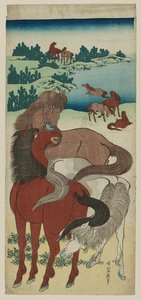
Admire Katsushika Hokusai's iconic 'Horses In Pasture,' a serene Edo-period landscape capturing horses grazing amidst lush greenery and distant trees – a masterpiece of Japanese art.
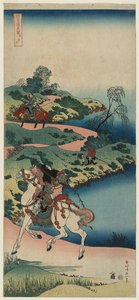
Experience the breathtaking beauty of Katsushika Hokusai's 'Young Man Setting Out,' a vibrant depiction of horseback riders traversing a hillside landscape—a masterpiece capturing adventure and Japanese artistic tradition.
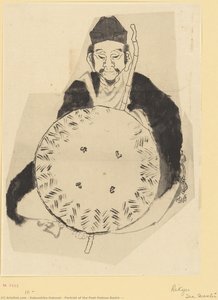
Katsushika Hokusai 801 ‘Portrait of Matsuo Basho’ was created by Katsushika Hokusai in Ukiyo-e style. Find more prominent pieces of portrait at WikiArt.org – best visual art database. The image is a black and white photograph of a painting featuring a man sitting on the ground with his legs crossed while holding a drum in front of him. The man appears to be wearing a hat and has a beard. The dr
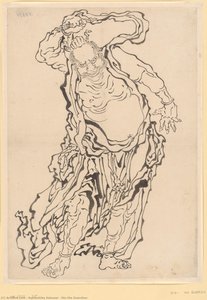
Katsushika Hokusai Explore the serene beauty of Katsushika Hokusai’s *Nio the Guardian*, a masterful Edo-period drawing capturing spiritual contemplation and artistic detail. Discover its significance within Japanese art history.
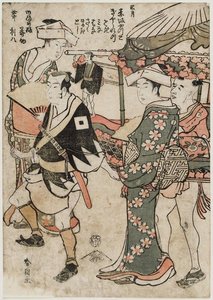
This artwork, ‘Procession Of The Akasaka Servants,’ created by Katsushika Hokusai around 1793, exemplifies the pinnacle of Japanese ukiyo-e artistry. Inspired by Chinese landscape painting traditions and reflecting daily life in Edo, it showcases bold lines, vibrant colors, and dynamic compositions—characteristics that profoundly impacted artists like Vincent van Gogh and Claude Monet. The print d
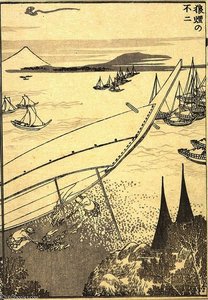
This captivating woodblock print depicts a rocket launching from Mount Fuji against a backdrop of fishermen and boats, reflecting the artistic spirit of Edo-era Japan. Published in 1860s by Eirakuya Toshiro, it’s a remarkable piece from Hokusai's celebrated '100 Views of Mt. Fuji' series—a testament to his mastery and enduring influence on Western art. Experience the majesty of Mount Fuji capture
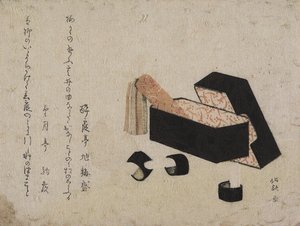
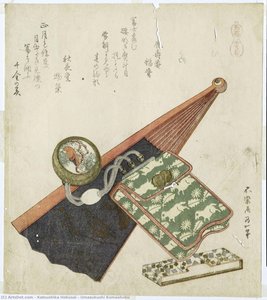
Admire 'Black Lacquer Box,' a stunning Hokusai masterpiece! This exquisite ukiyo-e painting showcases intricate detail & oriental artistry. A unique investment piece.
Katsushika Hokusai (葛飾 北斎; c. 31 October 1760 – 10 May 1849), known mononymously as Hokusai, was a Japanese ukiyo-e artist of the Edo period, active as a painter and printmaker. His woodblock print series Thirty-Six Views of Mount Fuji includes the iconic print The Great Wave off Kanagawa. Hokusai was instrumental in developing ukiyo-e from a style of portraiture largely focused on courtesans and
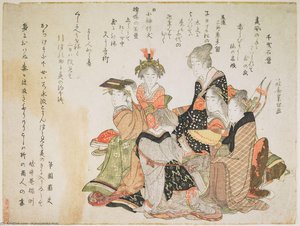
This print, titled "The Six States Of Woman," showcases six women seated in a circle, symbolizing harmony and reflection. Executed in Prussian blue pigment—a color associated with death and occultism—the artwork embodies Hokusai's masterful technique and captures a moment of quiet contemplation. Explore 'The Six States of Woman' by Katsushika Hokusai – a serene depiction of six women gathered aro
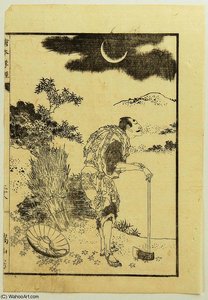
This artwork, titled "Wood Cutter and the Moon," was created by Katsushika Hokusai around 1830s. It exemplifies his masterful use of ink wash technique to capture a tranquil nighttime landscape featuring a woodcutter gazing upwards at the moon. Published by Artelino (artelino.com), this print showcases Hokusai's signature style and remains one of his most celebrated compositions. The British Muse
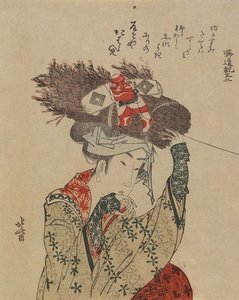
Hokusai Experience the serene beauty of Katsushika Hokusai's 'Ohara-me,' a captivating portrait capturing a woman adorned with traditional Japanese attire and symbolic bundle sticks, embodying Edo Period artistry.
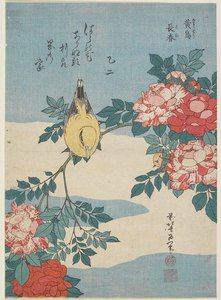
Japanese Nightingale And Spray Of Roses, C. 1832 Giclee Wall Art The Great Wave off Kanagawa is one of the most recognizable images in Japanese art history. This stunning print showcases Hokusai's signature style – delicate brushstrokes combined with vibrant colors to depict a tranquil scene featuring a bird perched on a branch amidst blooming roses. Inspired by European artistic trends, this pi
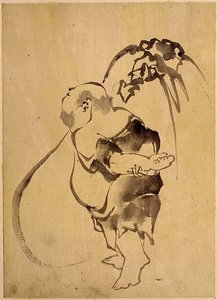
Explore Katsushika Hokusai’s ‘Hotei’ – a serene black & white ink wash painting of the good fortune god. Admire its Sumi-e style, dynamic lines & symbolic depth. A timeless Japanese masterpiece. This artwork showcases Hokusai's signature style, blending meticulous detail with expressive brushstrokes to convey a profound sense of tranquility and spiritual contemplation. Inspired by Buddhist iconog
Born Nakajima Isai around 1760 in Tokyo, Hokusai’s artistic journey began early, driven by an unwavering dedication to honing his skills despite initial familial reservations. He apprenticed under Kitagawa Shunshō and later established himself as a prolific printmaker, transforming ukiyo-e from portraiture into expansive landscapes and animal studies—a legacy that profoundly influenced artists lik