Showing 24 artworks out of 40 with Katsushika Hokusai
-
Katsushika Hokusai
Not available for this selection
- Putty
- Rosy Brown
- Espresso
- Gray
- Driftwood
- Khaki
- Quinacridone Magenta
- Clay
Not available for this selection
- Japanese Art
- Landscape Painting
- Fine Art Reproduction
- Hokusai
- Woodblock Printing
- Ukiyo-E Print
- Edo Period
- Tranquility
- Symbolic Imagery
- Hokusai Masterpiece
- Traditional Art
- Edo Period Art
- Japanese Culture
- Traditional Japanese Art
- Katsushika Hokusai
- Kanagawa Wave Influence
- Fine Art Print
- Mount Fuji Landscape
- Japanese Watercolor
- Watercolor
- Serene Composition
- Zen Aesthetic
- Japanese Landscape
- Hokusai Print
- Panoramic View
- Mount Fuji
- Ukiyo-E
- Japanese Landscape Art
- Japanese Tradition
- Serene Beauty
- Impressionism Influence
- Fine Art Prints
- Japanese Aesthetics
- Symbolism
- Edo Period Painting
- Nineteenth Century Art
- Zen Garden Aesthetic
- Asian Art
- Decorative Art
- Japanese Prints
- Japanese Printmaking
- Hokusai Artwork
- Landscape Print
- Landscape Art
- Zen Garden Inspiration
- Classic Artwork
- Impressionistic Style
- Ukiyo-E Painting
- Serenity
- Zen Garden
Katsushika Ōi (葛飾 応為, c. 1800 – c. 1866), also known as Ei (栄; or O-Ei (お栄) with the honorific prefix) or Ei-jo (栄女; lit. 'woman Ei'), was a Japanese ukiyo-e artist of the early 19th century Edo period. She was a daughter of Hokusai from his second wife. Ōi was an accomplished painter who also worked as a production assistant to her father. She studied under Tsutsumi Torin III (1789–1830) who was
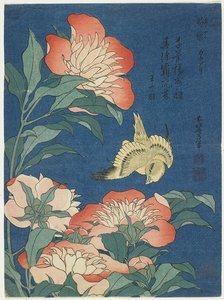
Experience the serene beauty of Katsushika Hokusai's 'Peonies And Canary,' a captivating watercolor painting depicting a bird perched atop vibrant peony blossoms – a timeless masterpiece reflecting Japanese artistic tradition.
Katsushika Ōi (葛飾 お栄), daughter of the renowned Hokusai, was a prolific ukiyo-e artist who honed her skills under Torin III and collaborated closely with her father on numerous projects. Known for her exquisite bijin-ga paintings depicting idealized female figures—such as *Kinuta or Beauty Fulling Cloth in the Moonlight*, *Yoshiwara Night Scene*, and *Mount Fuji through a Bamboo Forest*—Ōi achieve
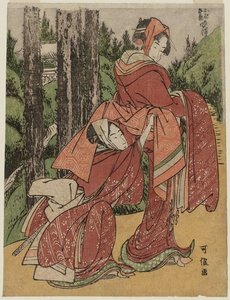
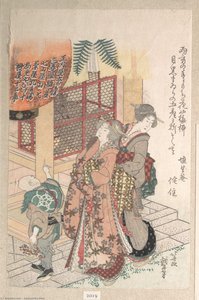
Hokusai Experience the serene beauty of Katsushika Hokusai's 'Evening Bell For Oume And Kumenosuke,' a captivating woodblock print depicting two women amidst a tranquil forest landscape.
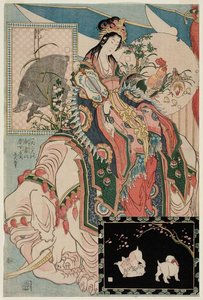
Umazukushi Komashobu is a stunning ukiyo-e print by Katsushika Hokusai depicting a woman holding a fan adorned with birds. Created around 1822, this masterpiece exemplifies Hokusai's masterful technique and enduring influence on Western art.
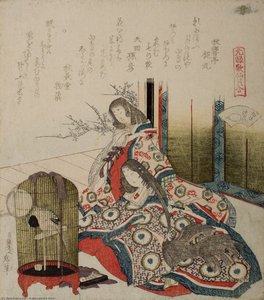
Hokusai Experience the serene beauty of Katsushika Hokusai's 'Court Ladies With Caged Pheasant,' a captivating glimpse into Edo-period Japan through exquisite ukiyo-e artistry and symbolic detail.
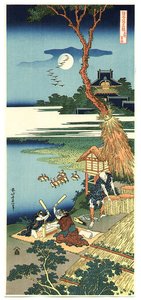
Katsushika Hokusai Explore Katsushika Hokusai's masterpiece 'Ariwara No Narihira,' inspired by the poem of the same name, capturing serene beauty and symbolic elements within Edo-period Japanese art.
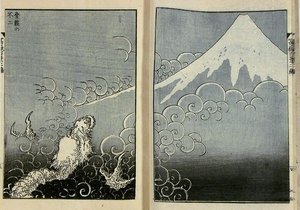
'Dragon ascending Mount Fuji' by Katsushika Hokusai exemplifies ukiyo-e artistry, showcasing dynamic landscapes and symbolic imagery. Explore its influence on Western art and delve into the life of this influential Japanese master. Experience the majesty of Mount Fuji through Katsushika Hokusai’s iconic ‘Dragon ascending Mount Fuji,’ a masterful woodblock print capturing Japan's Edo period beauty
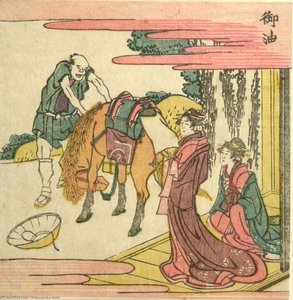
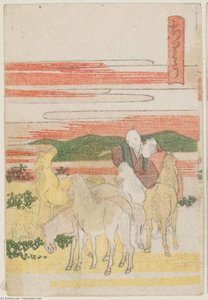
This stunning woodblock print depicts two courtesans respectfully acknowledging a man accompanied by a horse, capturing the essence of Edo period Japan. Created in 1810 by Hokusai, it exemplifies his mastery of landscape artistry and remains a celebrated masterpiece.
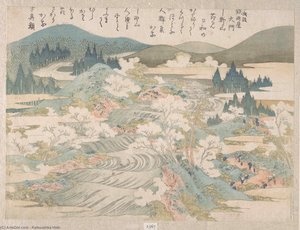
Hokusai Experience the serene beauty of Katsushika Hokusai's *Flowering Cherry Trees Along The Yoshino River*, capturing Japan’s iconic springtime landscape with vibrant blossoms and flowing water.
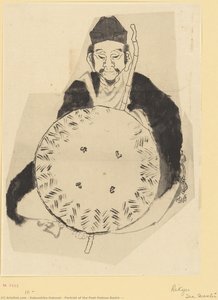
Katsushika Hokusai 801 ‘Portrait of Matsuo Basho’ was created by Katsushika Hokusai in Ukiyo-e style. Find more prominent pieces of portrait at WikiArt.org – best visual art database. The image is a black and white photograph of a painting featuring a man sitting on the ground with his legs crossed while holding a drum in front of him. The man appears to be wearing a hat and has a beard. The dr
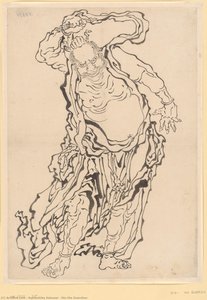
Katsushika Hokusai Explore the serene beauty of Katsushika Hokusai’s *Nio the Guardian*, a masterful Edo-period drawing capturing spiritual contemplation and artistic detail. Discover its significance within Japanese art history.
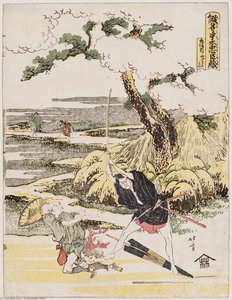
This painting, titled ‘Scene On The Yamasaki Road,’ showcases two individuals—one wielding a sword and the other kneeling—set against a backdrop of trees and birds on Yamazaki Kaido. Created by Katsushika Hokusai around 1806, it’s part of the Kanadehon Chushingura series published by Tsuruya Kinsuke. Known for his iconic *Great Wave*, Hokusai's meticulous attention to detail captures a moment of c
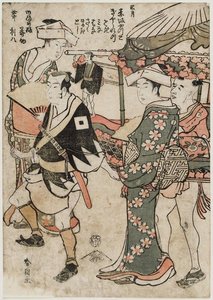
This artwork, ‘Procession Of The Akasaka Servants,’ created by Katsushika Hokusai around 1793, exemplifies the pinnacle of Japanese ukiyo-e artistry. Inspired by Chinese landscape painting traditions and reflecting daily life in Edo, it showcases bold lines, vibrant colors, and dynamic compositions—characteristics that profoundly impacted artists like Vincent van Gogh and Claude Monet. The print d
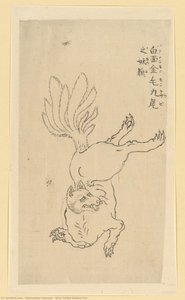
Katsushika Hokusai Explore the captivating artistry of Katsushika Hokusai's 'Nine-Tailed Golden Fox,' a masterful Edo period print depicting a majestic fox with an ethereal tail, symbolizing prosperity and wisdom.
Katsushika Hokusai (葛飾 北斎; c. 31 October 1760 – 10 May 1849), known mononymously as Hokusai, was a Japanese ukiyo-e artist of the Edo period, active as a painter and printmaker. His woodblock print series Thirty-Six Views of Mount Fuji includes the iconic print The Great Wave off Kanagawa. Hokusai was instrumental in developing ukiyo-e from a style of portraiture largely focused on courtesans and
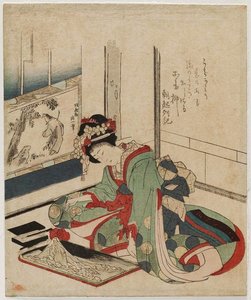
Explore Katsushika Hokusai's masterpiece, 'Woman Making A Bonseki,' capturing serene contemplation amidst traditional Japanese decor and highlighting the artist’s enduring influence on art history.
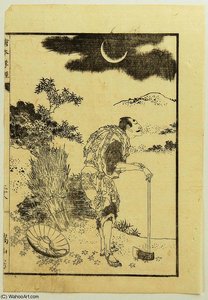
This artwork, titled "Wood Cutter and the Moon," was created by Katsushika Hokusai around 1830s. It exemplifies his masterful use of ink wash technique to capture a tranquil nighttime landscape featuring a woodcutter gazing upwards at the moon. Published by Artelino (artelino.com), this print showcases Hokusai's signature style and remains one of his most celebrated compositions. The British Muse
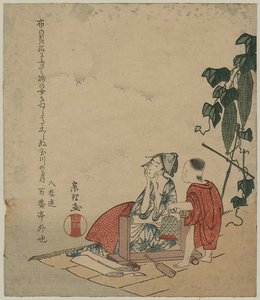
This painting depicts two figures seated together, accompanied by an umbrella and potted plants, capturing a moment of tranquility amidst nature – a quintessential scene from Hokusai's masterful ukiyo-e style. Experience the serene beauty of Katsushika Hokusai's 'Beating Cloth,' a captivating landscape print reflecting Japanese artistic tradition and Impressionist inspiration. Explore its symboli
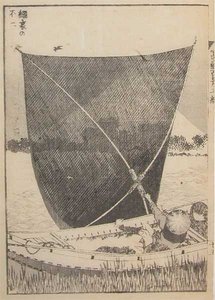
Experience the serene beauty of Katsushika Hokusai's *Fuji Behind A Net*, capturing a tranquil boat journey amidst Japan’s iconic Mount Fuji and lush riverside scenery.