Showing 24 artworks out of more than 240+ with Katsushika Hokusai

-
Katsushika Hokusai
Not available for this selection
- Ukiyo-E
- Japanese Ukiyo-E
- Japanese Landscape Painting
- Impressionism
- Japanese Landscape Printmaking
- Japanese Landscape
- Impressionistic Landscape
- Japanese Landscape Print
- Ukiyo-E Style
- Japanese Ukiyo-E Tradition
- Ukiyo-E Tradition
- Japanese Edo Period
- Japanese Printmaking
- Edo Period
- Japanese Watercolor
- Japanese Prints
- Ukiyo-E School
- Japanese Art
- Japanese Edo
- Ukiyo-E Impressionism
- Traditional Japanese Ukiyo-E
- Japanese Ukiyo-E Style
- Japanese Expressionism
- Japanese Landscape Tradition
- Japanese Edo Period Style
- Japanese Minimalism
- Impressionistic Wave
- Impressionistic Landscape Painting
- See all
- Putty
- Rosy Brown
- Gray
- Driftwood
- Espresso
- White
- Sea Green
- Prussian Blue
- Walnut
- Quinacridone Magenta
- Khaki
- Phthalo Green
- Sap Green
- Clay
- Celadon
- Japanese Art
- Edo Period
- Hokusai
- Landscape Painting
- Fine Art Reproduction
- Traditional Japanese Art
- Edo Period Art
- Hokusai Masterpiece
- Ukiyo-E Print
- Katsushika Hokusai
- Hokusai Ukiyo-E
- Ukiyo-E
- Woodblock Printing
- Japanese Culture
- Tranquility
- Japanese Landscape
- Hokusai Print
- Hokusai Landscape
- Traditional Japanese
- Ukiyo-E Painting
- Nineteenth Century Art
- Japanese Woodblock Print
- Japanese Landscape Art
- Impressionism Influence
- Ukiyo-E Prints
- Printmaking
- Symbolic Imagery
- Woodblock Print
- Kanagawa Wave Influence
- Impressionist Influence
- Japanese Watercolor
- Hokusai Prints
- Scenic View
- Japanese Painting
- Japanese Aesthetics
- Japanese Impressionism
- Landscape Print
- Edo Period Painting
- Landscape
- Impressionism
- Floral Composition
- Watercolor
- Mount Fuji
- Botanical Illustration
- Serene Beauty
- Fine Art Print
- Traditional Art
- Watercolor Technique
- Dynamic Composition
- Ukiyo-E Style
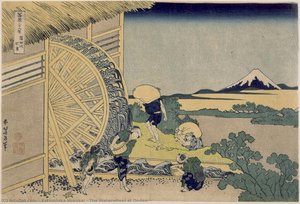
Experience Katsushika Hokusai's "The Waterwheel at Onden" (1832). This Edo-period woodblock print captures rural life with Mt. Fuji, showcasing a lively scene of people and umbrellas amidst nature’s beauty.
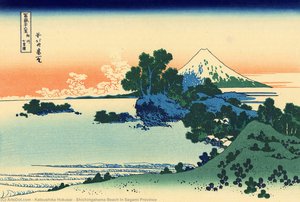
Discover Katsushika Hokusai’s ‘Shichirigahama Beach,’ a stunning Ukiyo-e print showcasing Mount Fuji & coastal life. Admire its bold lines, serene colors & iconic Japanese art style.
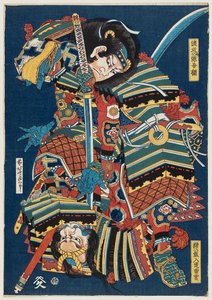
Katsushika Hokusai The image is a painting of a man in traditional Japanese clothing, possibly a samurai or warrior. He is holding two swords, one on each side, and appears to be wearing a helmet. The man's face is not visible, but his body is adorned with various patterns and designs. The painting features a blue background that contrasts nicely with the vibrant colors of the man's clothing and
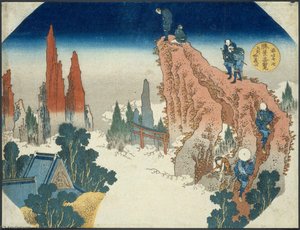
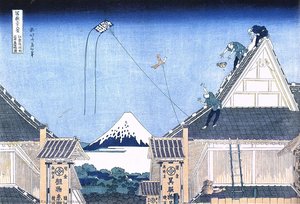
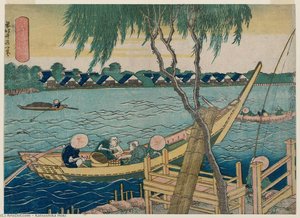
This painting, attributed to Katsushika Hokusai (1760-1849), exemplifies the artist’s signature style within the ukiyo-e tradition. Known primarily for *The Great Wave off Kanagawa*, Hokusai's oeuvre encompassed a vast range of subjects—from seascapes and landscapes like this depiction of Mount Myôgi to depictions of everyday life and manga—demonstrating his remarkable versatility. The artwork sho
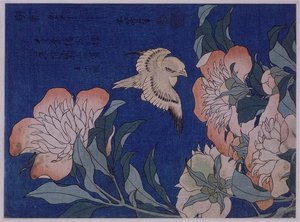
Katsushika Hokusai This captivating painting depicts a canary perched on a peony flower. Set against a calming blue hue, the artwork showcases intricate floral arrangements – including pink blossoms – embodying Hokusai’s masterful observation of nature. Landscape Painting 'The Great Wave off Kanagawa' influenced Impressionism and demonstrated Hokusai's ability to convey emotion through visual e
Katsushika Hokusai (1760-1849), a titan of ukiyo-e, relentlessly pursued artistic mastery from humble beginnings. His legacy includes iconic prints like 'The Great Wave' and profound influence on Western art. Created during the Edo period, this artwork embodies Japan’s fascination with nature and reflects Hokusai’s innovative approach to landscape painting. Executed in ukiyo-e style (woodblock p
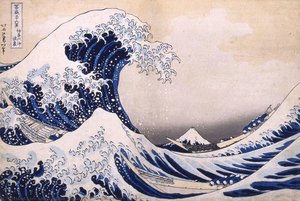
Witness the iconic 'Great Wave' by Hokusai! This stunning ukiyo-e print captures a dramatic ocean moment, showcasing Japanese art mastery and enduring beauty. Explore its history & significance.
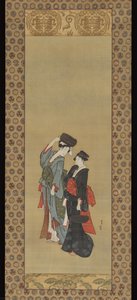
Deluxe silk reproduction captures Hokusai’s sensual Bijinga style—two women carrying pots for the Tsukuma Festival—a masterful blend of woodblock printing and hand painting from 1806/07, showcasing Edo-period artistry.
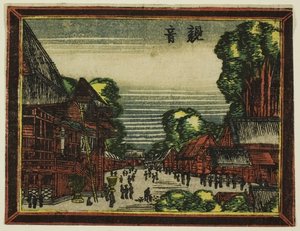
Katsushika Hokusai's *The Precincts Of The Kinryûzan Temple Of Kannon At Asakusa* and *Inside the Courtyard of the Toeizan Temple at Ueno*, alongside *The Great Wave off Kanagawa*, exemplify his masterful use of perspective and detail to portray Edo-period Japan. Born in Tokyo around 1760, Hokusai relentlessly pursued artistic excellence from a young age, demonstrating unwavering dedication to his
Katsushika Ōi (葛飾 応為, c. 1800 – c. 1866), also known as Ei (栄; or O-Ei (お栄) with the honorific prefix) or Ei-jo (栄女; lit. 'woman Ei'), was a Japanese ukiyo-e artist of the early 19th century Edo period. She was a daughter of Hokusai from his second wife. Ōi was an accomplished painter who also worked as a production assistant to her father. She studied under Tsutsumi Torin III (1789–1830) who was
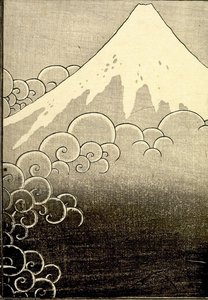
Katsushika Hokusai Witness the breathtaking beauty of Mount Fuji and the soaring dragon in Katsushika Hokusai’s iconic masterpiece – ‘Dragon ascending Mount Fuji,’ a symbol of power and harmony from Japan's Edo period.
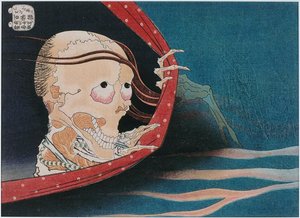
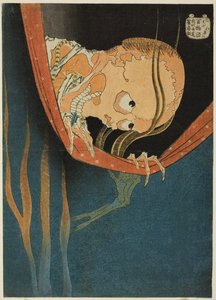
Hokusai Experience the mesmerizing power of Katsushika Hokusai's Kohada Koheiji – a haunting depiction of a demon-like figure clinging to a boat amidst turbulent waves, embodying the spirit of Edo period Japanese art.
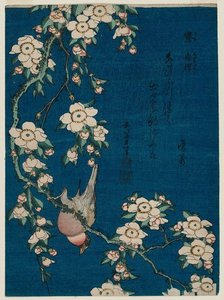
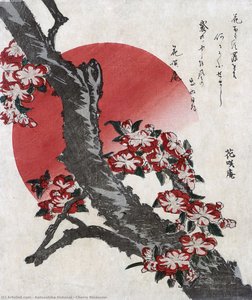
Experience the serene beauty of cherry blossoms captured in Hokusai’s masterful painting – a stunning reproduction showcasing vibrant blooms against a celestial backdrop.
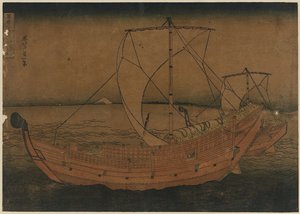
Discover 'Sailing Off Of Kazusa' by Hokusai! A stunning ukiyo-e woodblock print showcasing maritime scenes & Japanese artistry. Explore this iconic work!
This evocative painting by Katsushika Hokusai portrays a figure consumed by anguish, framed against a stark clock face. Inspired by Japanese culture, it exemplifies Hokusai’s dedication to artistic exploration and his profound impact on visual storytelling. Delve into the haunting beauty of Katsushika Hokusai's 'Japanese Ghost.' Witness masterful black & white printmaking capturing emotion and ti
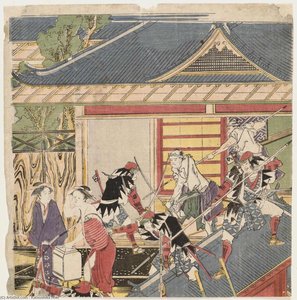
Witness 'The Night Attack In Act Xi Of Chûshingura,' a dramatic ukiyo-e print by Hokusai depicting samurai action. Explore intricate details and the legendary tale within this stunning Japanese artwork.
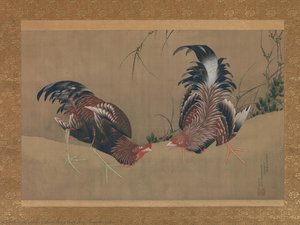
Experience Hokusai’s masterful Gamecocks painting, a captivating 1838 silk artwork brimming with human emotion in avian forms. This iconic piece showcases the artist's distinctive style and meticulous detail, inviting you to own a timeless treasure.
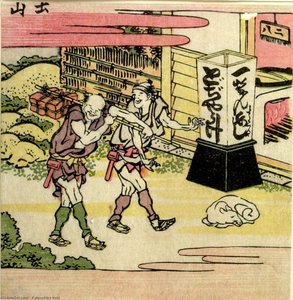
Travelers Walking: A serene Edo-period landscape print by Hokusai's daughter, Ōi, featuring two men traversing a temple path amidst rolling hills—a masterful blend of observation and vibrant Prussian blue pigment.
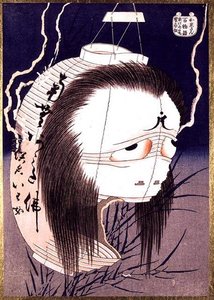
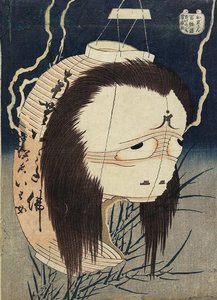
Delve into the haunting beauty of Katsushika Hokusai’s ‘The Lantern Ghost,’ inspired by Japanese folklore and featuring Oiwa, a vengeful spirit from Yotsuya Kaidan. Explore its symbolism & influence on Impressionist art.
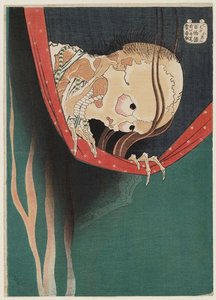
This unsettling print depicts Kohada Koheiji, a Kabuki actor tormented by his wife's betrayal. Hokusai’s masterful use of color and composition creates an eerie atmosphere, reflecting the tale's themes of regret and supernatural retribution. The inclusion of avian imagery and marine motifs adds layers of meaning to this iconic piece from ‘One Hundred Ghost Tales,’ cementing Hokusai’s place as a vi
Katsushika Hokusai Delve into the enigmatic world of Katsushika Hokusai’s "Haunted Spirit." This evocative ukiyo-e print captures Japanese folklore and artistic mastery, inspired by 'The Great Wave.' Explore its symbolism.
Witness the raw power of nature! Hokusai's 'The Great Wave' captures a dramatic ocean moment with stunning detail and vibrant colors, showcasing Japanese art mastery.