Showing 15 artworks with Katsushika Hokusai and with Bijin-Ga
-
Katsushika Hokusai
-
Bijin-Ga
Not available for this selection
- Putty
- Rosy Brown
- Driftwood
- Phthalo Green
- Prussian Blue
- Espresso
- Gray
Not available for this selection
- Bijin-Ga
- Japanese Art
- Ōi
- Katsushika Hokusai
- Female Portraiture
- Hokusai
- Landscape Painting
- Nineteenth Century Art
- Edo Period
- Mount Fuji
- Ukiyo-E Painting
- Edo Period Art
- Ukiyo-E
- Japanese Painting
- Impressionism Influence
- Japanese Prints
- Fine Art Reproduction
- Bamboo Forest
- Mount Fuji Landscape
- Woodblock Printing
- Tokyo National Museum
- Ukiyo-E Art
- Landscape Print
- Floral Painting
- Watercolor
- Watercolor Painting
- Hokusai Collaboration
- Landscape Prints
- Serene Beauty
- Japanese Decorative Arts
- Katsushika Ōi
- Traditional Japanese Clothing
- Printmaking
- Pilgrims Fuji
- Lantern Scene
- Fine Art Reproductions
- Tranquility
- Japanese Culture
- Classical Japanese Art
- Giraffe Painting
- Calligraphy Art
- Classical Art Style
- Boston Mfa
- Black And White Print
- Female Artist
- Traditional Japanese Style
- Ukiyo-E Printmaking
- Japanese Painter
- Museum Of Fine Arts Boston
- Ukiyo-E Prints
Katsushika Ōi (葛飾 お栄), born around 1800 and died c. 1866, was a prolific Japanese ukiyo-e artist who served as an apprentice to her renowned father, Katsushika Hokusai. Known for her exquisite bijin-ga paintings depicting beautiful women—such as ‘Yoshiwara Night Scene’ and ‘Beauty of Spring Night’—Ōi achieved considerable acclaim during the Edo period. Her artistic journey was marked by collaborat
Katsushika Ōi (葛飾 お栄), daughter of the renowned Hokusai, was a prolific ukiyo-e artist who honed her skills under Torin III and collaborated closely with her father on numerous projects. Known for her exquisite bijin-ga paintings depicting idealized female figures—such as *Kinuta or Beauty Fulling Cloth in the Moonlight*, *Yoshiwara Night Scene*, and *Mount Fuji through a Bamboo Forest*—Ōi achieve
Katsushika Ōi (1800–1866) was a Japanese ukiyo-e artist renowned for her exquisite bijin-ga paintings alongside her father, Katsushika Hokusai. Collaborating with him and mastering calligraphy, Ōi produced celebrated pieces reflecting the beauty of women and capturing the spirit of Edo Japan. Explore Katsushika Ōi's captivating bijin-ga paintings and her role as Hokusai’s assistant, showcasing th
Katsushika Ōi (葛飾 応為, c. 1800 – c. 1866), also known as Ei (栄; or O-Ei (お栄) with the honorific prefix) or Ei-jo (栄女; lit. 'woman Ei'), was a Japanese ukiyo-e artist of the early 19th century Edo period. She was a daughter of Hokusai from his second wife. == Biography == Ōi's birth and death dates are not known, although it is believed that she was born in 1800 and died around 1866. She was a da
Explore Katsushika Ōi's captivating bijin-ga paintings alongside Hokusai’s iconic landscapes! Discover her artistic talent and influence on Japanese art history – a legacy of beauty and innovation.
Katsushika Ōi (c. 1800 – c. 1866) was a Japanese ukiyo-e artist and daughter of Hokusai, renowned for her exceptional skill in painting beautiful women alongside her father's mentorship. She collaborated closely with him, producing notable works like 'Kinuta or Beauty Fulling Cloth in the Moonlight,' 'Yoshiwara Night Scene,' and 'Mount Fuji through a Bamboo Forest.' Ōi’s dedication to art extended
Discover Katsushika Ōi's captivating 'Three Ladies Playing Musical Instruments,' a poignant depiction of daily life alongside her father, Hokusai. Explore this iconic bijin-ga masterpiece and its influence on Japanese art history.
Katsushika Ōi (1800–1866), daughter of Katsushika Hokusai, was a prolific Japanese ukiyo-e artist known for her exquisite paintings of beautiful women and her invaluable contribution to her father’s creative process. Her works include celebrated scenes depicting serene landscapes and captivating portraits, reflecting the artistic spirit of Edo Japan. Explore Katsushika Ōi's captivating bijin-ga p
Explore Katsushika Ōi's captivating 'Beauty of Spring Night,' alongside Hokusai’s iconic Mount Fuji prints – a testament to Japanese artistry and enduring beauty.
Katsushika Hokusai (1760-1849), celebrated as Japan’s ukiyo-e titan, transcended mere printmaking. Driven by relentless artistic pursuit, he embraced evolving names and boundless curiosity. Beginning his journey with humble roots as Nakajima Ise's son, he honed skills from childhood, reportedly sketching at six years old. This dedication propelled him through nearly nine decades, leaving an indeli
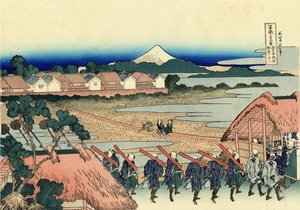
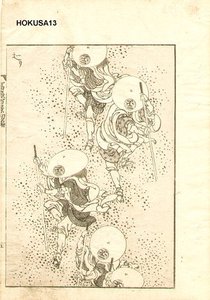
Explore Katsushika Ōi's captivating 'Pilgrims Descending Mount Fuji,' a poignant depiction of devotion alongside Hokusai’s iconic landscape style—a testament to artistic collaboration and enduring beauty.