Showing 24 artworks out of 162 with Katsushika Hokusai and with Edo Period Art
-
Katsushika Hokusai
-
Edo Period Art
Not available for this selection
- Ukiyo-E
- Japanese Landscape Painting
- Japanese Ukiyo-E
- Impressionism
- Japanese Landscape Print
- Japanese Landscape
- Japanese Landscape Printmaking
- Ukiyo-E Style
- Japanese Expressionism
- Japanese Edo Period
- Japanese Ukiyo-E Tradition
- Impressionistic Landscape
- Japanese Edo
- Shanshui
- Japanese Romanticism
- Japanese Printmaking
- Japanese Edo Period Style
- See all
- Rosy Brown
- Gray
- Putty
- Driftwood
- Espresso
- Sea Green
- Quinacridone Magenta
- Celadon
- Phthalo Green
- Prussian Blue
- Edo Period Art
- Japanese Art
- Hokusai Ukiyo-E
- Traditional Japanese
- Japanese Woodblock Print
- Ukiyo-E Print
- Traditional Japanese Art
- Hokusai Artwork
- Japanese Landscape
- Fine Art Reproduction
- Katsushika Hokusai
- Landscape Painting
- Japanese Culture
- Japanese Woodblock
- Hokusai Masterpiece
- Japanese Painting
- Japanese Landscape Art
- Traditional Japan
- Woodblock Printing
- Ukiyo-E Painting
- Hokusai Painting
- Ukiyo-E Prints
- Hokusai Landscape
- Impressionist Influence
- Japanese Watercolor
- Fine Art Print
- Vintage Japanese Art
- Woodblock Print
- Hokusai
- Japanese Art Prints
- Ukiyo-E Style
- Woodblock Print Art
- Hokusai Print
- Floral Composition
- Symbolic Imagery
- Japanese Prints
- Japanese Culture Art
- Japanese Aesthetics
- Japanese Art Print
- Mount Fuji Landscape
- Impressionism Influence
- Hokusai Prints
- Botanical Illustration
- Ukiyo-E Art
- Japanese Impressionism
- Watercolor Style
- Ink Wash Painting
- Zen Landscape
- Dynamic Composition
- Hokusai Artist
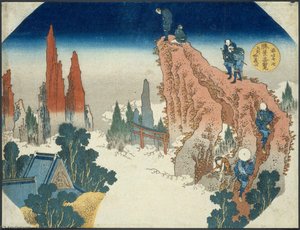
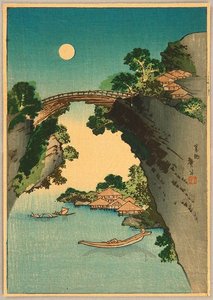
This painting, attributed to Katsushika Hokusai (1760-1849), exemplifies the artist’s signature style within the ukiyo-e tradition. Known primarily for *The Great Wave off Kanagawa*, Hokusai's oeuvre encompassed a vast range of subjects—from seascapes and landscapes like this depiction of Mount Myôgi to depictions of everyday life and manga—demonstrating his remarkable versatility. The artwork sho
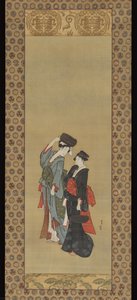
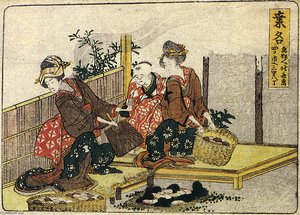
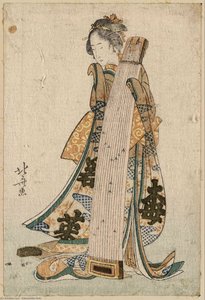
Deluxe silk reproduction captures Hokusai’s sensual Bijinga style—two women carrying pots for the Tsukuma Festival—a masterful blend of woodblock printing and hand painting from 1806/07, showcasing Edo-period artistry.
Katsushika Ōi (葛飾 お栄), born around 1800 and died c. 1866, was a prolific Japanese ukiyo-e artist who served as an apprentice to her renowned father, Katsushika Hokusai. Known for her exquisite bijin-ga paintings depicting beautiful women—such as ‘Yoshiwara Night Scene’ and ‘Beauty of Spring Night’—Ōi achieved considerable acclaim during the Edo period. Her artistic journey was marked by collaborat
Katsushika Hokusai A Life Etched in Ink: The World of Katsushika Hokusai Hokusai was instrumental in developing ukiyo-e from a style of portraiture largely focused on courtesans and actors into a much broader style of art that focused on landscapes, plants, and animals. His works had a significant influence on Vincent van Gogh and Claude Monet during the wave of Japonisme that spread across Europ
Featured in Harvard Art Museums’ collection, this artwork showcases Hokusai's enduring influence on Impressionism and continues to inspire admiration for its serene beauty.
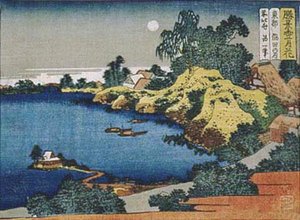
Consider researching similar prints by Hokusai and exploring their influence on Impressionist artists like Monet and Van Gogh. This stunning woodblock print by Katsushika Hokusai depicts a luminous moon rising over the Sumida River, reflecting off the water amidst mountains—a quintessential scene from Japan's Edo period. Known for his iconic 'Great Wave,' Hokusai’s meticulous detail and masterful
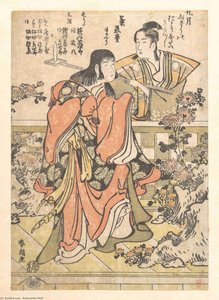
Explore Katsushika Hokusai’s ‘Male & Female Performers’! A stunning Ukiyo-e woodblock print showcasing folklore, vibrant colors & flattened perspective. Discover Japanese art history.
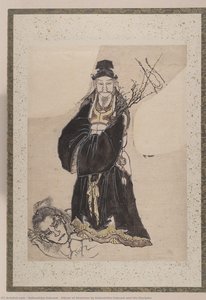
A captivating black-and-white sketch by Katsushika Hokusai depicting a man with a beard and birds, inspired by the famed 'hanshita-e' woodblock print from 1809. This preparatory drawing offers a glimpse into the master’s creative process and the enduring legacy of Japanese art.
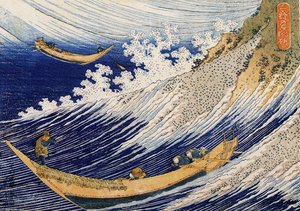
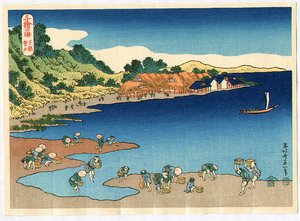
Explore Katsushika Hokusai's "Noborito - Chie No Umi," a stunning depiction of fishermen battling turbulent seas, showcasing masterful woodblock printing and reflecting Impressionist influences.
Katsushika Hokusai Delve into the tranquil beauty of Katsushika Hokusai's 'Night Scene,' capturing a serene Edo-period landscape with a bridge, boats, and figures bathed in moonlight. Explore iconic Japanese art.
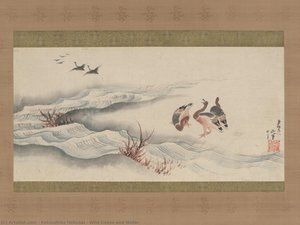
Experience the serene beauty of Katsushika Hokusai's 'Wild Geese and Water,' a masterpiece of Edo-period ukiyo-e art depicting majestic geese soaring over crashing ocean waves – an iconic image influencing Impressionism.
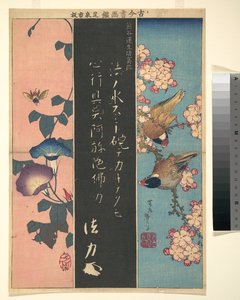
Katsushika Hokusai Bird And Flower A Life Etched in Ink: The World of Katsushika Hokusai Hokusai, a name synonymous with Japanese art and the iconic image of *The Great Wave off Kanagawa*, was far more than just a printmaker. Born in Edo (modern-day Tokyo) around 1760, his life was a restless pursuit of artistic mastery, a constant evolution marked by shifting names and an insatiable curiosity.
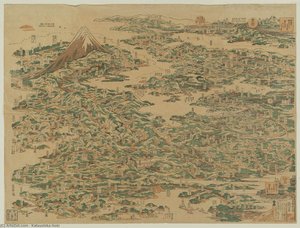
Experience Hokusai's iconic 'Famous Places On The Tôkaidô At A Glance,' a meticulously detailed woodblock print capturing the landscapes and settlements of Edo-period Japan. Admire this masterful work by the legendary artist and explore its timeless beauty.
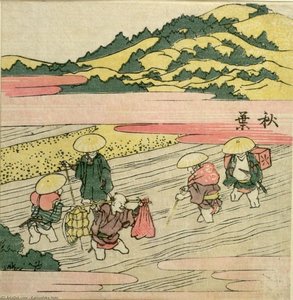
Captured in Hokusai’s masterful woodblock print style during Japan's Edo period, Travelers Crossing River depicts a serene yet challenging landscape—mountain peaks framing travelers navigating a river with umbrellas—inviting viewers to experience the beauty of Japanese artistic tradition.
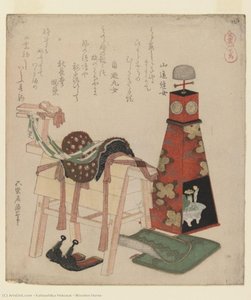
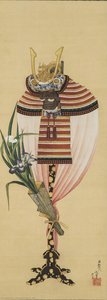
This exquisite woodblock print by Katsushika Hokusai, created around 1822, exemplifies the Ukiyo-e style. Measuring 21 x 18 cm, it’s a masterful depiction of a wooden horse adorned with fabrics resembling a saddle and other riding accessories, alongside decorative pedestal and footwear. Currently residing in the Brooklyn Museum, this artwork offers insight into Japanese cultural artifacts.
Katsushika Ōi (1800–1866) was a Japanese ukiyo-e artist renowned for her exquisite bijin-ga paintings alongside her father, Katsushika Hokusai. Collaborating with him and mastering calligraphy, Ōi produced celebrated pieces reflecting the beauty of women and capturing the spirit of Edo Japan. Explore Katsushika Ōi's captivating bijin-ga paintings and her role as Hokusai’s assistant, showcasing th
Captured in Hokusai’s masterful Ukiyo-e style during the Edo period, ‘Boy’ portrays a boy before an umbrella—a symbol of resilience—against Mount Fuji's grandeur. Explore this evocative print and bring timeless beauty into your home.
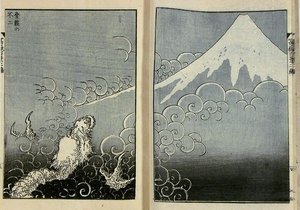
'Dragon ascending Mount Fuji' by Katsushika Hokusai exemplifies ukiyo-e artistry, showcasing dynamic landscapes and symbolic imagery. Explore its influence on Western art and delve into the life of this influential Japanese master. Experience the majesty of Mount Fuji through Katsushika Hokusai’s iconic ‘Dragon ascending Mount Fuji,’ a masterful woodblock print capturing Japan's Edo period beauty