Showing 3 artworks with Katsushika Hokusai and with Floral Imagery
-
Katsushika Hokusai
-
Floral Imagery
Not available for this selection
- Black
- Espresso
- Rosy Brown
Not available for this selection

- Fine Art Reproduction
- Japanese Art
- Floral Imagery
- Ukiyo-E Painting
- Springtime Beauty
- Impressionist Influence
- Zen Buddhism
- Zen Buddhism Influence
- Symbolic Bird
- Japanese Prints
- Cherry Blossoms Landscape
- Katsushika Hokusai
- 19Th Century Art
- Temple Decoration
- Landscape Artwork
- Traditional Japanese Art
- Bijin-Ga
- Nineteenth Century Art
- Female Portraiture
- Hokusai Mural
- Landscape Composition
- Mount Fuji Landscape
- Obuse Temple
- Woodblock Printing Technique
- Hokusai Masterpiece
- Phoenix Symbolism
- Nagano Prefecture
- Hawk Bird Painting
- Zen Hokusai Iitsu
- Bird Painting
- Edo Period Art
- Landscape Painting
- Japanese Landscape
- Japanese Symbolism
- Tokyo National Museum
- Moriya Jihei Publisher
- Classic Art
- Ukiyo-E Print
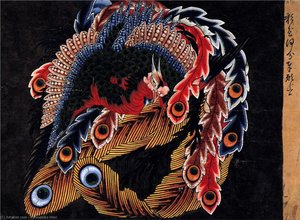
This stunning mural by Katsushika Hokusai, featuring a majestic phoenix amidst pine branches, embodies tranquility and spiritual contemplation. Located in Nagano Prefecture’s Ganshoin Temple, it's a testament to Hokusai's enduring influence on Japanese art and landscape painting. Discover its history, symbolism, and the temple's serene surroundings – a must-see for art enthusiasts! Admire Katsush
Katsushika Ōi (葛飾 お栄), born around 1800 and died c. 1866, was a prolific Japanese ukiyo-e artist who served as an apprentice to her renowned father, Katsushika Hokusai. Known for her exquisite bijin-ga paintings depicting beautiful women—such as ‘Yoshiwara Night Scene’ and ‘Beauty of Spring Night’—Ōi achieved considerable acclaim during the Edo period. Her artistic journey was marked by collaborat
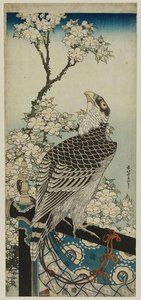
Katsushika Hokusai (1760-1849), renowned for *The Great Wave*, was a prolific artist who revolutionized Japanese visual culture. This exquisite woodblock print, titled ‘Hawk and Cherry Blossoms,’ exemplifies his signature style—a harmonious blend of observation and artistic expression. Executed around 1834 by Moriya Jihei (Kinshindo) for Springfield Museums, it’s a testament to Hokusai's enduring