Showing 20 artworks out of 44 with Katsushika Hokusai and with Impressionism Influence
-
Katsushika Hokusai
-
Impressionism Influence
Not available for this selection
- Putty
- Rosy Brown
- Gray
- Espresso
- Phthalo Green
- Driftwood
- Sap Green
- Quinacridone Magenta
Not available for this selection
- Impressionism Influence
- Japanese Art
- Landscape Painting
- Hokusai
- Edo Period
- Ukiyo-E Print
- Woodblock Printing
- Tranquility
- Fine Art Reproduction
- Katsushika Hokusai
- Mount Fuji
- Edo Period Art
- Japanese Painting
- Woodblock Print
- Ukiyo-E Prints
- Traditional Art
- Japanese Culture
- Landscape Art
- Japanese Aesthetics
- Traditional Japanese Art
- Ukiyo-E
- Hokusai Prints
- Scenic View
- Symbolic Imagery
- Nineteenth Century Art
- Japanese Prints
- Bijin-Ga
- Serene Beauty
- Fishing Scene
- Great Wave Kanagawa
- Fine Detail
- Watercolor Style
- Landscape Print
- Floral Arrangement
- Vintage Art
- Botanical Illustration
- Japanese Landscape
- Watercolor
- Color Palette
- Serene Scene
- Fine Art Print
- Ukiyo-E Painting
- Ōi
- Artistic Legacy
- Edo Period Painting
- Dynamic Composition
- Hokusai Masterpiece
- Fine Wind Clear Morning
- Female Portraiture
- Autumn Scenery
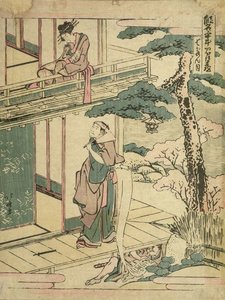
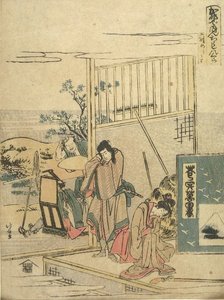
Experience the breathtaking beauty of Katsushika Hokusai's 'Yura No Suke At The Tea House,' a serene depiction of women enjoying an outdoor tea ceremony amidst stunning Mount Fuji landscapes.
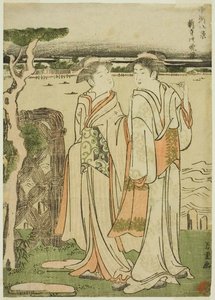
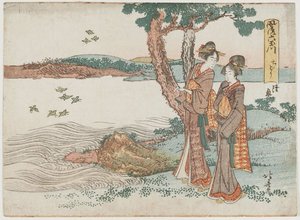
Katsushika Hokusai (1760-1849), Japan's celebrated ukiyo-e artist, revolutionized visual art with groundbreaking prints like 'The Great Wave,' influencing Impressionism and cementing his place as a master of landscape composition. Katsushika Hokusai’s "Evening Bell At Mii Temple" depicts two women observing a temple nestled amidst mountains, accompanied by birds—a quintessential scene of Japanese
This captivating woodblock print depicts a tranquil scene of cherry blossom viewing, featuring figures amidst picturesque scenery. Created by the legendary Katsushika Hokusai during the Edo period, it embodies Japanese artistic tradition and influenced Western art movements. Experience the beauty of Katsushika Hokusai's 'Cherry Blossom Viewing at Gotenyama,' a stunning Edo-period print showcasing
Explore Katsushika Ōi's exquisite bijin-ga paintings and her role as Hokusai’s assistant, showcasing her talent alongside her father in Edo period Japan. Discover iconic works like 'Yoshiwara Night Scene' and 'Mount Fuji through Bamboo Forest.' Katsushika Ōi (c. 1800-c. 1866) was a Japanese ukiyo-e artist, daughter of Hokusai, known for bijin-ga paintings & assisting her father. Explore her delic
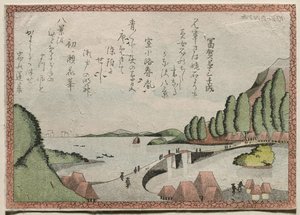
This painting, attributed to Katsushika Hokusai (1760-1849), exemplifies the artist’s masterful technique in capturing atmospheric perspective and detailed observation of nature. Known primarily for *The Great Wave off Kanagawa*, Hokusai's oeuvre encompassed a vast range of subjects—landscapes, seascapes, prints inspired by Western Impressionism, and even manga—demonstrating his adaptability and e
Born Nakajima Isai around 1760 in Tokyo, Hokusai’s artistic journey began early, driven by an unwavering dedication to honing his skills despite initial familial reservations. He apprenticed under Kitagawa Shunshō and later established himself as a prolific printmaker, transforming ukiyo-e from portraiture into expansive landscapes and animal studies—a legacy that profoundly influenced artists lik
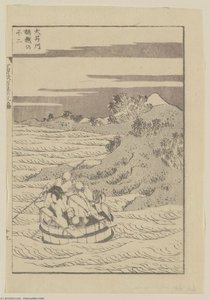
Hokusai’s ‘Viewing Mount Fuji From A Bucket Boat Going Down The River Oi.’ exemplifies his signature style—a harmonious blend of observation and expressive brushwork—capturing the essence of Edo-period Japan. This captivating woodblock print by Katsushika Hokusai depicts a serene scene featuring individuals navigating a tub along the River Oi, framed against the breathtaking backdrop of Mount Fuj
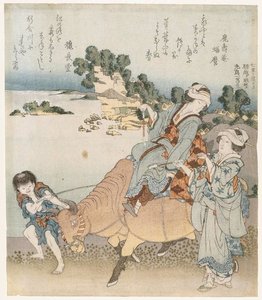
Experience the beauty of Katsushika Hokusai's 'View of Koshigoe From Shichiri-ga-hama,' a captivating Edo period woodblock print depicting aristocratic women riding atop a majestic turtle near serene coastal scenery. Explore Japanese art history!
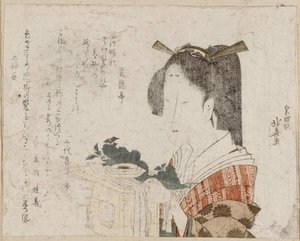
This exquisite painting depicts a woman adorned with festive new year decorations, embodying traditional Japanese aesthetics. Featuring detailed depictions of hair ornaments, books, and vases within a beautifully composed landscape, it exemplifies Hokusai's masterful technique and keen observation of nature. Admire Katsushika Hokusai's 'Court Lady With New Year Decorations,' a stunning ukiyo-e pr
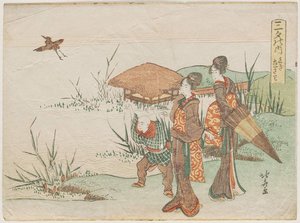
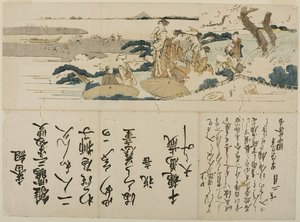
Experience the serene beauty of Katsushika Hokusai's 'The Marsh Where Snipe Fly Up,' a captivating woodblock print from his iconic ‘Three Evening Poems’ series, showcasing tranquil landscapes and birdsong. This exquisite woodblock print captures a tranquil marsh scene, featuring three figures strolling amidst reeds and birds soaring overhead. Inspired by Saigyô Hoshi’s poem 'Shigi tatsu sawa,' it
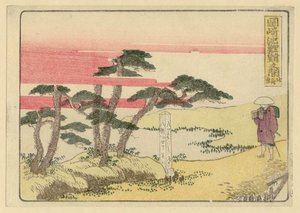
Experience the serene beauty of Katsushika Hokusai's 'Fuji From Orankai,' a captivating woodblock print from his iconic 'One Hundred Views of Mount Fuji.' Explore Japanese art history and its influence!
Explore Katsushika Hokusai's iconic 'Big Kite,' a mesmerizing depiction of kite flying amidst Mount Fuji’s grandeur. Discover the artist's legacy and its influence on Impressionism.
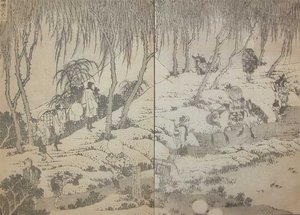
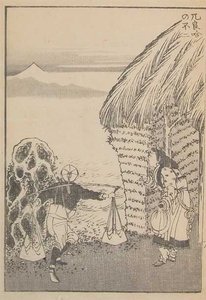
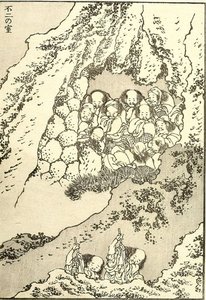
Explore Katsushika Hokusai's iconic "Rock Shelter on Fuji," a masterpiece of ukiyo-e art capturing serene beauty and reflecting influences from Impressionism & Vincent van Gogh. The image is a painting of a group of people in a cave or rock shelter. The people appear to be sitting on the ground, possibly meditating or resting. There are several individuals visible within the scene, with some clos
Katsushika Hokusai (1760–1849), renowned for ‘The Great Wave,’ revolutionized Japanese art with his monumental Thirty-Six Views of Mount Fuji series and innovative exploration of landscapes, plants, and animals. His enduring influence resonates across artistic movements. Explore Katsushika Hokusai's iconic masterpiece, 'The Great Wave,' and delve into the artistic legacy of Japan’s celebrated uki
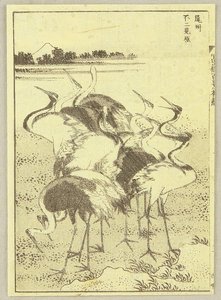
Admire Katsushika Hokusai's iconic 'One Hundred Views of Mt. Fuji - Cranes,' a masterpiece of ukiyo-e art celebrating nature and tranquility. Explore its intricate details & influence on Impressionism.
Katsushika Hokusai (1760-1849), celebrated as Japan’s ukiyo-e titan, transcended mere printmaking. Driven by relentless artistic pursuit, he embraced evolving names and boundless curiosity. Beginning his journey with humble roots as Nakajima Ise's son, he honed skills from childhood, reportedly sketching at six years old. This dedication propelled him through nearly nine decades, leaving an indeli