Showing 24 artworks out of 35 with Katsushika Hokusai and with Impressionist Influence
Sort by:
Showing 24 artworks out of 35 with Katsushika Hokusai and with Impressionist Influence
Not available for this selection
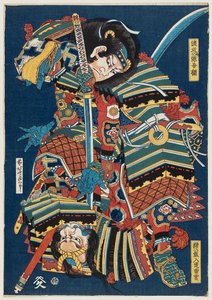
Katsushika Hokusai The image is a painting of a man in traditional Japanese clothing, possibly a samurai or warrior. He is holding two swords, one on each side, and appears to be wearing a helmet. The man's face is not visible, but his body is adorned with various patterns and designs. The painting features a blue background that contrasts nicely with the vibrant colors of the man's clothing and
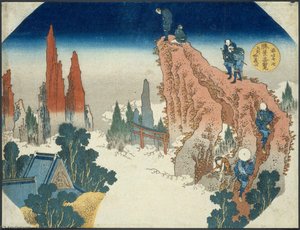
This painting, attributed to Katsushika Hokusai (1760-1849), exemplifies the artist’s signature style within the ukiyo-e tradition. Known primarily for *The Great Wave off Kanagawa*, Hokusai's oeuvre encompassed a vast range of subjects—from seascapes and landscapes like this depiction of Mount Myôgi to depictions of everyday life and manga—demonstrating his remarkable versatility. The artwork sho
Katsushika Hokusai (1760-1849), a titan of ukiyo-e, relentlessly pursued artistic mastery from humble beginnings. His legacy includes iconic prints like 'The Great Wave' and profound influence on Western art. Created during the Edo period, this artwork embodies Japan’s fascination with nature and reflects Hokusai’s innovative approach to landscape painting. Executed in ukiyo-e style (woodblock p
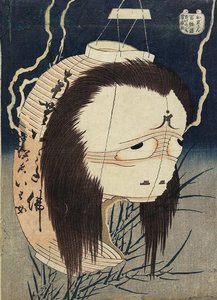
Delve into the haunting beauty of Katsushika Hokusai’s ‘The Lantern Ghost,’ inspired by Japanese folklore and featuring Oiwa, a vengeful spirit from Yotsuya Kaidan. Explore its symbolism & influence on Impressionist art.
Katsushika Ōi (葛飾 お栄), born around 1800 and died c. 1866, was a prolific Japanese ukiyo-e artist who served as an apprentice to her renowned father, Katsushika Hokusai. Known for her exquisite bijin-ga paintings depicting beautiful women—such as ‘Yoshiwara Night Scene’ and ‘Beauty of Spring Night’—Ōi achieved considerable acclaim during the Edo period. Her artistic journey was marked by collaborat
Featured in Harvard Art Museums’ collection, this artwork showcases Hokusai's enduring influence on Impressionism and continues to inspire admiration for its serene beauty.
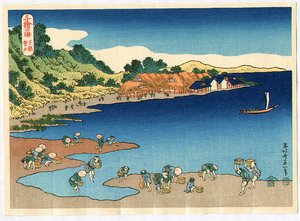
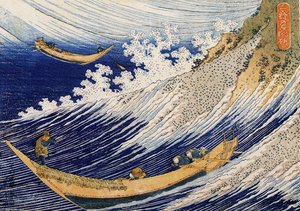
Explore Katsushika Hokusai's "Noborito - Chie No Umi," a stunning depiction of fishermen battling turbulent seas, showcasing masterful woodblock printing and reflecting Impressionist influences.
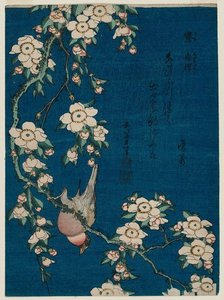
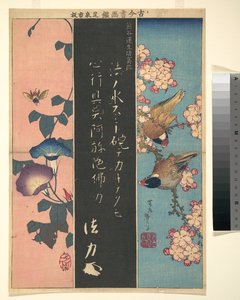
Katsushika Hokusai Bird And Flower A Life Etched in Ink: The World of Katsushika Hokusai Hokusai, a name synonymous with Japanese art and the iconic image of *The Great Wave off Kanagawa*, was far more than just a printmaker. Born in Edo (modern-day Tokyo) around 1760, his life was a restless pursuit of artistic mastery, a constant evolution marked by shifting names and an insatiable curiosity.
Umazukushi Komashobu is a stunning ukiyo-e print by Katsushika Hokusai depicting a woman holding a fan adorned with birds. Created around 1822, this masterpiece exemplifies Hokusai's masterful technique and enduring influence on Western art.
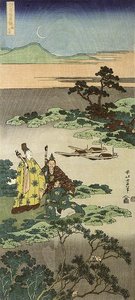
Hokusai Experience the breathtaking beauty of Katsushika Hokusai's 'Minamoto No Toru,' a masterful landscape print capturing samurai adventure amidst serene mountains and flowing water – inspired by Impressionism.
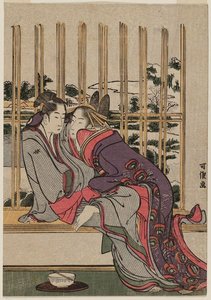
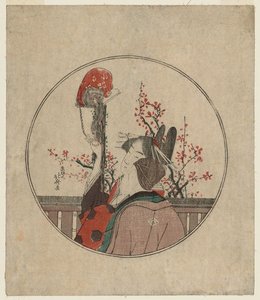
This evocative woodblock print by Katsushika Hokusai depicts two women sharing a quiet intimacy on a bench, symbolizing enduring affection. Inspired by the Eight Views of Tragic Lovers series, it showcases Hokusai's signature style—detailed observation and expressive composition—reflecting his profound influence on Western art movements like Impressionism. Delve into the poignant beauty of Katsus
Katsushika Hokusai Yamashina Tokyo Japan 1760 1849 The image is a painting of women in traditional clothing standing outside on a porch. There are five people visible in the scene, with one woman sitting down while the others stand around her. The group appears to be engaged in conversation or enjoying each other's company. In addition to the people, there are two potted plants present in th
Futako Shrine (二子神社, Futako jinja), located in Takatsu-ku, Kawasaki, is a Shinto shrine in Kanagawa prefecture, Japan. It was established in 1641 and was called "Shinmeisha". It was renamed "Futako Shrine" in the Meiji Era, after the area in which it is located. ‘The Great Wave off Kanagawa’ is arguably Hokusai's most recognizable work. Printed as part of *Thirty-Six Views of Mount Fuji*, it capt
Katsushika Hokusai (葛飾 北斎; c. 31 October 1760 – 10 May 1849), known mononymously as Hokusai, was a Japanese ukiyo-e artist of the Edo period, active as a painter and printmaker. His woodblock print series Thirty-Six Views of Mount Fuji includes the iconic print The Great Wave off Kanagawa. Hokusai was instrumental in developing ukiyo-e from a style of portraiture largely focused on courtesans and
This painting depicts a room bathed in natural light, furnished with tables and chairs, overlooking trees. Several individuals are present, including a man holding a sword, adding an element of drama to the tranquil setting. Two dogs accompany the scene, enhancing its realism. Inspired by Impressionism, Hokusai's 'Tsurugaoka' showcases his signature style—detailed landscapes combined with human fi
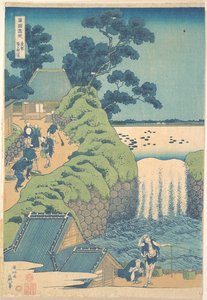
{ "useful_links": [] Explore Katsushika Hokusai's masterpiece 'Fall of Aoiga Oka, Yedo,' a serene Edo-period landscape print featuring figures strolling near water amidst lush foliage – inspired by Impressionism.
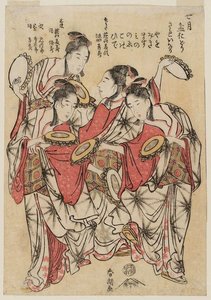
Katsushika Hokusai’s ‘The Bon Festival Dance,’ created around 1793, exemplifies his masterful use of color and composition in ukiyo-e prints. This artwork depicts five women engaged in a traditional Bon dance before an audience, showcasing intricate costumes and expressive movements. Influenced by Impressionism, Hokusai's work continues to inspire artists globally. Further research reveals details
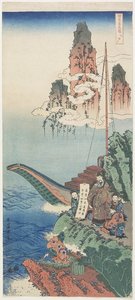
Hokusai's work profoundly impacted Impressionism and continues to inspire artists today. This Noh play explores the clash between Japanese and Chinese poetic traditions, reflecting broader cultural anxieties about maintaining national identity. Executed as a color woodblock print using the nagaban technique, this artwork showcases Hokusai’s meticulous attention to detail and masterful compositio
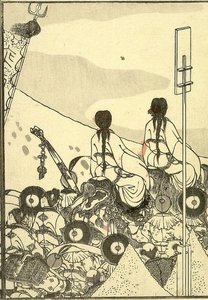
Katsushika Hokusai Tokyo Japan 1760 1849 The image is a painting of two people sitting on the backs of horses in front of a crowd of people. The scene appears to be set in ancient times, as evidenced by the clothing and hairstyles of the individuals involved. One person is seated on the left side of the image, while the other is positioned more towards the center. There are several other peop
Stay updated with the latest art news, exclusive offers, and decoration ideas.
Tell us about your project and our art experts will provide you with 3 personalized art suggestions.
Let Us Curate 3 Options Just for You - Free!