Showing 24 artworks out of more than 240+ with Katsushika Hokusai and with Japanese Art
-
Katsushika Hokusai
-
Japanese Art
Not available for this selection
- Japanese Landscape Painting
- Japanese Ukiyo-E
- Ukiyo-E
- Impressionism
- Japanese Landscape Printmaking
- Impressionistic Landscape
- Japanese Landscape Print
- Japanese Ukiyo-E Tradition
- Japanese Landscape
- Japanese Printmaking
- Japanese Edo Period
- Ukiyo-E Tradition
- Japanese Prints
- Japanese Expressionism
- Ukiyo-E School
- Japanese Watercolor
- Japanese Romanticism
- Impressionistic Wave
- Japanese Art
- Impressionistic Landscape Painting
- Edo Period
- Ukiyo-E Style
- Ukiyo-E Impressionism
- Japanese Ukiyo-E Style
- Japanese Edo Style
- See all
- Gray
- Espresso
- Rosy Brown
- Driftwood
- Phthalo Green
- Sap Green
- Prussian Blue
- Sea Green
- Clay
- Black
- Quinacridone Magenta
- Celadon
- Japanese Art
- Edo Period
- Hokusai
- Landscape Painting
- Ukiyo-E Print
- Fine Art Reproduction
- Ukiyo-E
- Edo Period Art
- Woodblock Printing
- Woodblock Print
- Tranquility
- Japanese Culture
- Hokusai Masterpiece
- Impressionism Influence
- Katsushika Hokusai
- Landscape
- Printmaking
- Nineteenth Century Art
- Traditional Japanese Art
- Edo Period Painting
- Traditional Art
- Watercolor
- Scenic View
- Impressionist Influence
- Impressionism
- Mount Fuji
- Japanese Impressionism
- Hokusai Print
- Ukiyo-E Prints
- Hokusai Landscape
- Dynamic Composition
- Japanese Prints
- Nature
- Hokusai Prints
- Japanese Aesthetics
- Symbolic Imagery
- Serene Beauty
- Landscape Art
- Landscape Print
- Ukiyo-E Painting
- Serene
- Mount Fuji Landscape
- Japanese Landscape
- Serene Composition
- Floral Composition
- Fine Art Print
- Serene Scene
- Symbolism
- Detail
- Botanical Illustration
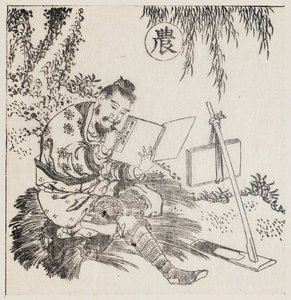
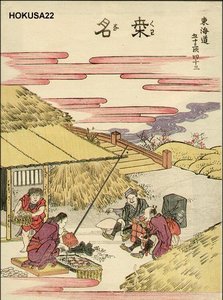
Delve into the serene beauty of Katsushika Hokusai's 'Farmers,' a captivating woodblock print capturing riders on horseback amidst Japanese landscapes – a timeless masterpiece reflecting Edo-era artistry.
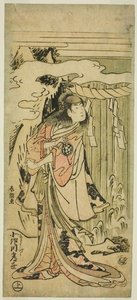
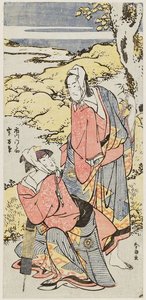
This artwork, ‘An Actor of Woman’s Roles,’ by Katsushika Hokusai (1760-1849), is a color woodblock print featuring Ichikawa Danjuro, a celebrated Kabuki performer. Executed between 1786 and 1796, it exemplifies Hokusai's signature style—detailed observation of the human figure against a serene landscape backdrop. The print’s composition includes elements like a bird in the upper left corner and a
Katsushika Ōi (葛飾 応為), born around 1800 and died c. 1866, was a Japanese ukiyo-e artist renowned for her exquisite bijin-ga paintings—portraits of beautiful women—and her skillful execution as an illustrator. Collaborating closely with her father, Hokusai, Ōi achieved considerable acclaim during the Edo period, leaving behind a legacy celebrated for its delicate beauty and masterful technique. Her
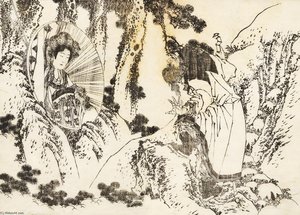
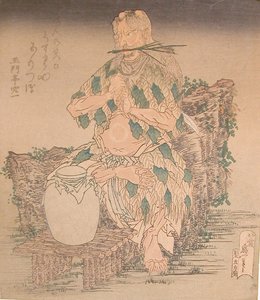
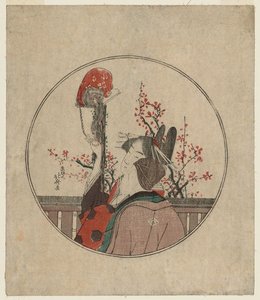
Katsushika Hokusai’s ‘Oiran, a special beautiful courtesan’ is a masterpiece of the Edo period's Ukiyo-e style. This breathtaking landscape painting depicts a courtesan adorned in exquisite attire, surrounded by lush foliage and birds—a testament to Hokusai’s unparalleled skill in capturing beauty and tranquility. Known for his monumental ‘Thirty-Six Views of Mount Fuji,’ Hokusai revolutionized Ja
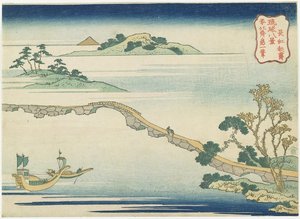
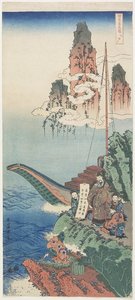
Hokusai's work profoundly impacted Impressionism and continues to inspire artists today. This Noh play explores the clash between Japanese and Chinese poetic traditions, reflecting broader cultural anxieties about maintaining national identity. Executed as a color woodblock print using the nagaban technique, this artwork showcases Hokusai’s meticulous attention to detail and masterful compositio
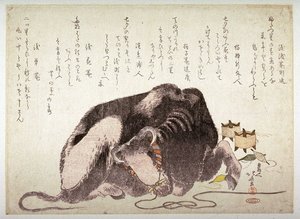
Experience the serene beauty of Katsushika Hokusai's 'Reclining Ox And Spools Of Thread,' a captivating black & white ukiyo-e print depicting playful animals amidst tranquil landscapes.
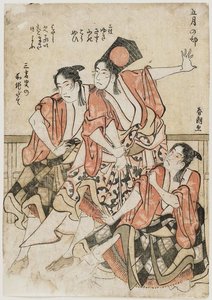
Katsushika Hokusai’s ‘A Dashing Sanbasô Dance Play,’ created in 1793, exemplifies the dynamism of Edo period ukiyo-e art. This print depicts a spirited Niwaka festival dance scene featuring performers adorned in striking red costumes and intricate choreography. Published by Tsutaya Jűzaburô, it showcases Hokusai’s masterful use of bold lines and vibrant colors to convey movement and excitement—a h
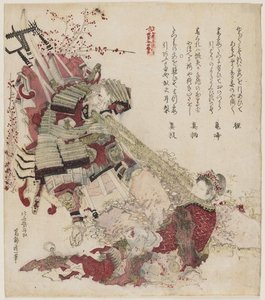
Explore Katsushika Hokusai's masterpiece – 'Neck-pulling,' a captivating depiction of human interaction featuring vibrant colors and symbolic elements like birds and a clock, reflecting the artist’s profound influence on Japanese art.
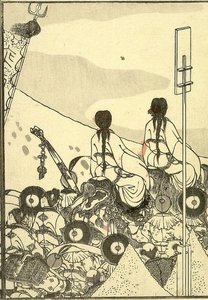
Katsushika Hokusai Tokyo Japan 1760 1849 The image is a painting of two people sitting on the backs of horses in front of a crowd of people. The scene appears to be set in ancient times, as evidenced by the clothing and hairstyles of the individuals involved. One person is seated on the left side of the image, while the other is positioned more towards the center. There are several other peop
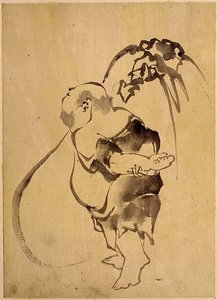
Explore Katsushika Hokusai’s ‘Hotei’ – a serene black & white ink wash painting of the good fortune god. Admire its Sumi-e style, dynamic lines & symbolic depth. A timeless Japanese masterpiece. This artwork showcases Hokusai's signature style, blending meticulous detail with expressive brushstrokes to convey a profound sense of tranquility and spiritual contemplation. Inspired by Buddhist iconog
The Fuji T-1 Hatsutaka was Japan's first jet-powered trainer aircraft. Its first flight was in January 1958. A total of 66 T-1 planes were built. It was retired in March 2006. == Design and development == After World War II, Japanese aircraft industry was banned from research as well as the destruction of materials and equipment related to aircraft. In 1952, a partial ban on aircraft research wa
Explore Katsushika Hokusai’s ‘Medicine Sage,’ a captivating depiction of contemplative wisdom and serene ritual. Admire the intricate detail and masterful composition of this iconic Japanese print.
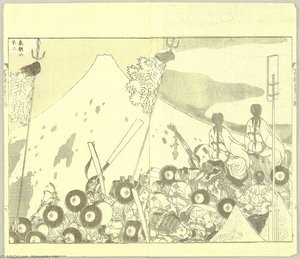
This artwork, "One Hundred Views Of Mt. Fuji - Procession," depicts a gathering of people admiring the majestic Mount Fuji under a shower of rain. Featuring detailed linework and subtle shading, it exemplifies Hokusai's signature style—a testament to Japanese artistic tradition. Delve into the captivating world of Katsushika Hokusai's "One Hundred Views Of Mt. Fuji - Procession." Admire this icon
Katsushika Hokusai (葛飾 北斎; c. 31 October 1760 – 10 May 1849), known mononymously as Hokusai, was a Japanese ukiyo-e artist of the Edo period, active as a painter and printmaker. His woodblock print series Thirty-Six Views of Mount Fuji includes the iconic print The Great Wave off Kanagawa. Hokusai was instrumental in developing ukiyo-e from a style of portraiture largely focused on courtesans and
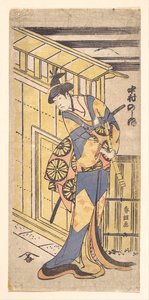
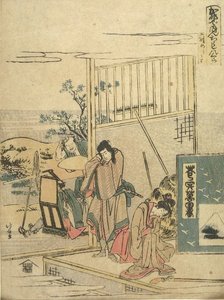
This exquisite woodblock print by Katsushika Hokusai depicts Nakamura Noshio II in a dramatic pose as a Chinese princess, showcasing masterful composition and color palettes characteristic of Edo-period art. The scene unfolds within a stylized architectural backdrop reminiscent of traditional Japanese theater stages, emphasizing the artist's keen observation of both performance and visual aestheti
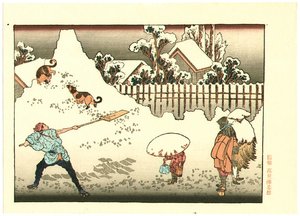
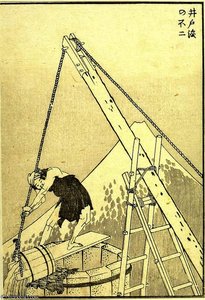
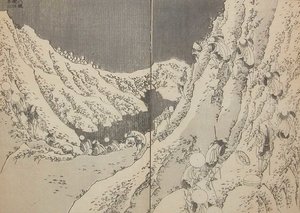
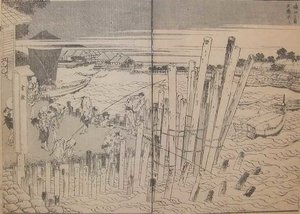
Experience the breathtaking beauty of Fuji Mountain through Hokusai’s masterful black and white landscape painting. Explore the serene snowy terrain and human presence captured in exquisite detail.
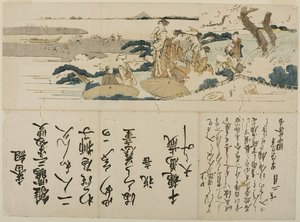
This captivating woodblock print depicts a tranquil scene of cherry blossom viewing, featuring figures amidst picturesque scenery. Created by the legendary Katsushika Hokusai during the Edo period, it embodies Japanese artistic tradition and influenced Western art movements. Experience the beauty of Katsushika Hokusai's 'Cherry Blossom Viewing at Gotenyama,' a stunning Edo-period print showcasing
This painting, attributed to Katsushika Hokusai (1760-1849), exemplifies the artist’s masterful technique in capturing atmospheric perspective and detailed observation of nature. Known primarily for *The Great Wave off Kanagawa*, Hokusai's oeuvre encompassed a vast range of subjects—landscapes, seascapes, prints inspired by Western Impressionism, and even manga—demonstrating his adaptability and e
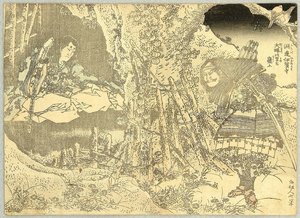
Discover 'Prince Daito' by Katsushika Hokusai – a stunning ukiyo-e masterpiece! Explore Japanese art history & acquire this captivating artwork today.