Showing 8 artworks with Katsushika Hokusai and with Japanese Printmaking
-
Katsushika Hokusai
-
Japanese Printmaking
Not available for this selection
- Putty
- Gray
- Rosy Brown
- Khaki
Not available for this selection
- Japanese Printmaking
- Japanese Art
- Hokusai Masterpiece
- Landscape Painting
- Hokusai Painting
- Watercolor Technique
- Japanese Landscape Painting
- Kanagawa Wave Influence
- Traditional Japanese Art
- Classical Japanese Art
- Bird’S Eye Perspective
- Traditional Clothing
- Detailed Observation Art
- Nineteenth Century Art
- Ukiyo-E
- Female Portraiture
- Ink Wash
- Landscape Composition
- Traditional Chinese Roof
- Mount Fuji Landscape
- Death Motif Artwork
- Buddhist Sculpture
- Great Wave Influence
- Japanese Watercolor Painting
- Fine Art Reproduction
- Hokusai Legacy
- Kisokaidô Scenic Route
- Fine Art Prints
- Zen Aesthetic
- Symbolic Imagery
- Ukiyo-E Art Style
- Marine Imagery
- Detailed Drawing Technique
- Nature’S Beauty Depiction
- Birds
- Edo Period Art
- Detailed Artwork Depiction
- Ōi Watercolor
- Bijin-Ga Genre
- Impressionistic Composition
- Detailed Watercolor Style
- Guardian Figure Art
- Quiet Reflection
- Japanese Decorative Art
- Edo Period
- Artistic Depth
- Hokusai
- Traditional Japanese Drawing
- Mountain Scenery
- Hokusai Legacy Art
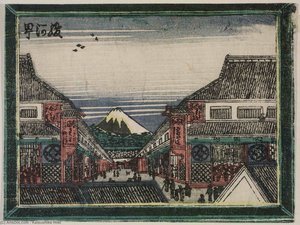
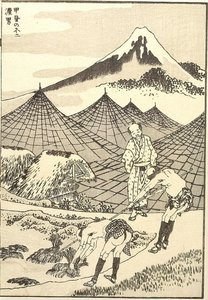
The image is a painting of a mountainous landscape with a large mountain in the background. The painting features several people scattered throughout the scene, some closer to the foreground while others are further away. There are also two birds visible in the sky, one near the top left corner and another towards the center-left side of the image. The painting is set against an oriental backdrop
Katsushika Ōi (葛飾 応為, c. 1800 – c. 1866), also known as Ei (栄; or O-Ei (お栄) with the honorific prefix) or Ei-jo (栄女; lit. 'woman Ei'), was a Japanese ukiyo-e artist of the early 19th century Edo period. She was a daughter of Hokusai from his second wife. Ōi was an accomplished painter who also worked as a production assistant to her father. She studied under Tsutsumi Torin III (1789–1830) who was
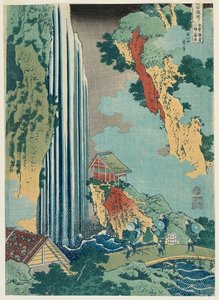
Hokusai Experience the tranquility of Hokusai's *Ono Waterfall*, part of his celebrated series exploring Japan’s natural beauty during the Edo period. Admire the serene landscape and masterful composition.
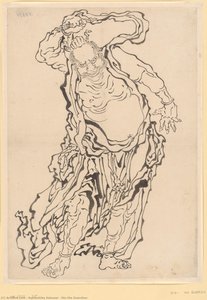
Katsushika Hokusai Explore the serene beauty of Katsushika Hokusai’s *Nio the Guardian*, a masterful Edo-period drawing capturing spiritual contemplation and artistic detail. Discover its significance within Japanese art history.
The Fuji T-1 Hatsutaka was Japan's first jet-powered trainer aircraft. Its first flight was in January 1958. A total of 66 T-1 planes were built. It was retired in March 2006. == Design and development == After World War II, Japanese aircraft industry was banned from research as well as the destruction of materials and equipment related to aircraft. In 1952, a partial ban on aircraft research wa
Katsushika Hokusai Katsushika Hokusai (1760-1849), born in Tokyo, Japan, was a prolific printmaker and painter who revolutionized Japanese art. Despite initial discouragement from his father regarding artistic pursuits, he persevered, developing exceptional skills through self-discipline and relentless practice. Tokyo Japan 1760 1849 This painting portrays a tranquil mountain scene with indi
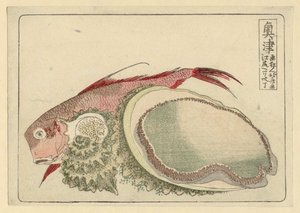
Hokusai Explore Katsushika Hokusai's haunting depiction of death and decay – ‘Okitsu,’ a striking black and white print capturing a solitary fish on the ocean floor, embodying the artist’s masterful observation.