Showing 12 artworks with Katsushika Hokusai and with Japanese Tradition
-
Katsushika Hokusai
-
Japanese Tradition
Not available for this selection
- Putty
- Phthalo Green
- Espresso
- Gray
- Rosy Brown
- White
Not available for this selection
- Japanese Tradition
- Japanese Art
- Ukiyo-E Print
- Landscape Painting
- Woodblock Printing
- Hokusai Masterpiece
- Fine Art Reproduction
- Nineteenth Century Art
- Panoramic View
- Serene Composition
- Classic Artwork
- Fine Art Print
- Landscape Composition
- Zen Garden
- Edo Period
- Ukiyo-E Painting
- Symbolic Imagery
- Hokusai Landscape
- Mount Fuji Views
- Zen Garden Aesthetic
- Landscape Print
- Mount Fuji Landscape
- Hokusai Artwork
- Edo Period Art
- Impressionist Influence
- Watercolor Technique
- Kanagawa Wave
- Watercolor Style
- Edo Period Artwork
- Color Woodblock Print
- Tsutsumi Torin Iii
- Mt Fuji
- Treasure Ship Dream
- Floral Art
- Charles Lang Freer Collection
- Vintage Print
- Rain Shower Scene
- Ukiyo-E
- Japanese Symbolism
- Smithsonian Museum
- Serene Atmosphere
- Scenic View
- Zen Aesthetics
- Ravicz Collection
- Japanese Scenic Art
- Dynamic Composition
- Quiet Beauty
- Ōta Memorial Museum
- Bold Lines
- Fine Art Prints
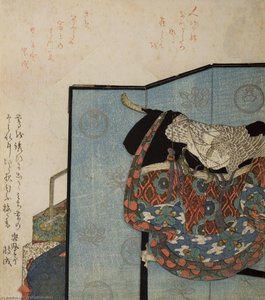
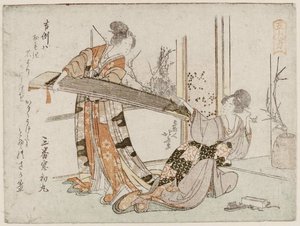
This artwork, titled ‘First Dream Of The New Year,’ showcases a captivating scene of two women engaging in New Year customs – one binding a treasure ship image to her pillow for good fortune dreams, while the other washes her face with fresh water to dispel evil spirits. Created around 1825 during Hokusai’s prolific period, this print exemplifies his masterful use of bold lines and vibrant colors,
Katsushika Ōi (葛飾応為), daughter of the iconic Hokusai, was a prolific ukiyo-e artist celebrated for her skill in handwriting and bijin-ga paintings depicting beautiful women. Alongside her father's influence, she honed her craft under Tsutsumi Torin III, producing stunning works like "Kinuta or Beauty Fulling Cloth in the Moonlight" and "Yoshiwara Night Scene." Ōi’s legacy extends beyond her artist
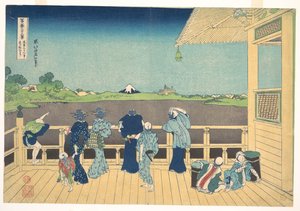
This stunning Ukiyo-e print depicts a temple complex overlooking water, capturing the grandeur of Japanese landscape art during the Edo period. Featuring Hokusai’s signature and intricate details, it exemplifies his artistic prowess. Experience the serene beauty of Katsushika Hokusai’s ‘Sazai Hall,’ part of his iconic 'Thirty-Six Views of Mount Fuji' series. Admire its masterful composition and v
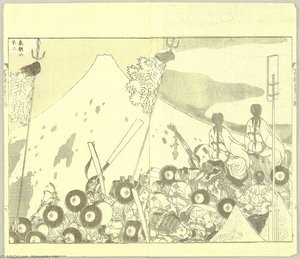
This artwork, "One Hundred Views Of Mt. Fuji - Procession," depicts a gathering of people admiring the majestic Mount Fuji under a shower of rain. Featuring detailed linework and subtle shading, it exemplifies Hokusai's signature style—a testament to Japanese artistic tradition. Delve into the captivating world of Katsushika Hokusai's "One Hundred Views Of Mt. Fuji - Procession." Admire this icon
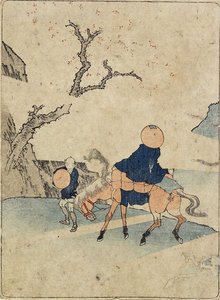
Katsushika Hokusai The image is a painting of a man riding on the back of a horse with two other people walking behind him. The scene appears to be set in a snowy landscape, as evidenced by the presence of snow on the ground and the cold atmosphere. In addition to the main subjects, there are several birds scattered throughout the painting, adding life and movement to the scene. A tree can also s
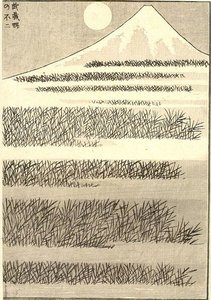
This stunning depiction showcases Mount Fuji framed by a tranquil field of grass, accompanied by two smaller peaks—a testament to Hokusai’s enduring influence on Japanese art. Experience the serene beauty of Mount Fuji through Hokusai's masterful woodblock print, 'Fuji Through A Partition,' capturing a breathtaking panoramic view of Japan’s iconic volcano and surrounding landscape.
This artwork, "Mishima - Tokaido" by Katsushika Hokusai, depicts a scene featuring individuals seeking refuge from the rain beneath umbrellas against the backdrop of Mount Fuji. The composition incorporates elements like a bench and birds in the sky, reflecting Hokusai's masterful use of perspective and color to convey a sense of calm and observation. It’s part of his celebrated "Thirty-six Views
Explore Katsushika Ōi's captivating 'Pilgrims Descending Mount Fuji,' a poignant depiction of devotion alongside Hokusai’s iconic landscape style—a testament to artistic collaboration and enduring beauty.