Showing 24 artworks out of 136 with Katsushika Hokusai and with Landscape Painting
-
Katsushika Hokusai
-
Landscape Painting
Not available for this selection
- Japanese Ukiyo-E
- Japanese Landscape Painting
- Impressionism
- Ukiyo-E
- Impressionistic Landscape
- Japanese Landscape Printmaking
- Japanese Printmaking
- Japanese Landscape
- Japanese Landscape Print
- Japanese Expressionism
- Japanese Ukiyo-E Tradition
- Impressionistic Landscape Painting
- Japanese Watercolor
- Japanese Edo Period
- See all
- Putty
- Rosy Brown
- Gray
- Espresso
- Driftwood
- Sap Green
- Prussian Blue
- Phthalo Green
- Khaki
- Sea Green
- Quinacridone Magenta
- Clay
- Celadon
Not available for this selection
- Landscape Painting
- Japanese Art
- Edo Period
- Hokusai
- Ukiyo-E Print
- Fine Art Reproduction
- Tranquility
- Woodblock Printing
- Edo Period Art
- Impressionism Influence
- Japanese Culture
- Woodblock Print
- Mount Fuji
- Katsushika Hokusai
- Impressionism
- Nineteenth Century Art
- Watercolor
- Traditional Art
- Scenic View
- Hokusai Masterpiece
- Ukiyo-E Prints
- Serene Beauty
- Traditional Japanese Art
- Ukiyo-E
- Japanese Prints
- Printmaking
- Fine Art Print
- Serene Scene
- Japanese Aesthetics
- Traditional Japanese
- Hokusai Artwork
- Hokusai Prints
- Symbolic Imagery
- Floral Arrangement
- Wave Motif
- Watercolor Technique
- Hokusai Painting
- Watercolor Style
- Japanese Impressionism
- Serene Composition
- Floral Composition
- Great Wave Kanagawa
- Impressionist Influence
- Zen Garden
- Hokusai Print
- Mount Fuji Landscape
- Dynamic Composition
- Japanese Landscape
- Nature Scene
- Nature Art
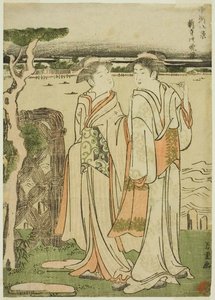
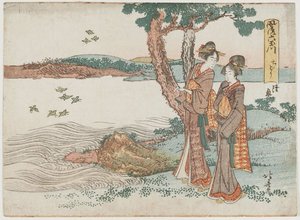
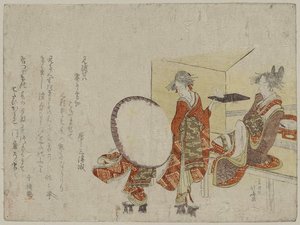
Katsushika Hokusai (1760-1849), Japan's celebrated ukiyo-e artist, revolutionized visual art with groundbreaking prints like 'The Great Wave,' influencing Impressionism and cementing his place as a master of landscape composition. Katsushika Hokusai’s "Evening Bell At Mii Temple" depicts two women observing a temple nestled amidst mountains, accompanied by birds—a quintessential scene of Japanese
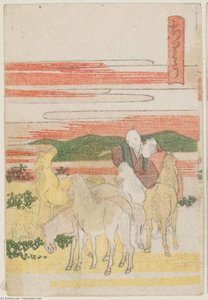
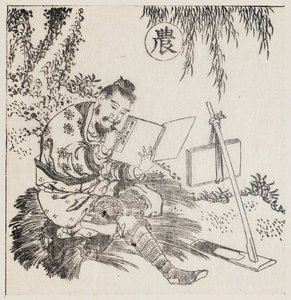
Delve into the serene beauty of Katsushika Hokusai's 'Farmers,' a captivating woodblock print capturing riders on horseback amidst Japanese landscapes – a timeless masterpiece reflecting Edo-era artistry.
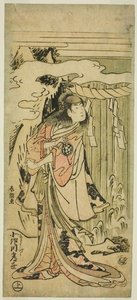
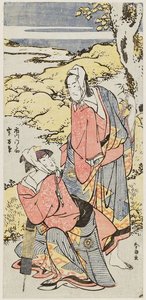
This artwork, ‘An Actor of Woman’s Roles,’ by Katsushika Hokusai (1760-1849), is a color woodblock print featuring Ichikawa Danjuro, a celebrated Kabuki performer. Executed between 1786 and 1796, it exemplifies Hokusai's signature style—detailed observation of the human figure against a serene landscape backdrop. The print’s composition includes elements like a bird in the upper left corner and a
Katsushika Ōi (葛飾 応為), born around 1800 and died c. 1866, was a Japanese ukiyo-e artist renowned for her exquisite bijin-ga paintings—portraits of beautiful women—and her skillful execution as an illustrator. Collaborating closely with her father, Hokusai, Ōi achieved considerable acclaim during the Edo period, leaving behind a legacy celebrated for its delicate beauty and masterful technique. Her
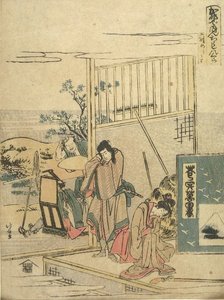
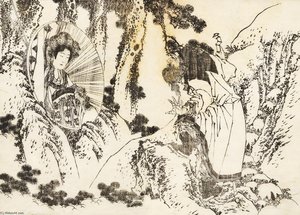
Katsushika Hokusai’s ‘Oiran, a special beautiful courtesan’ is a masterpiece of the Edo period's Ukiyo-e style. This breathtaking landscape painting depicts a courtesan adorned in exquisite attire, surrounded by lush foliage and birds—a testament to Hokusai’s unparalleled skill in capturing beauty and tranquility. Known for his monumental ‘Thirty-Six Views of Mount Fuji,’ Hokusai revolutionized Ja
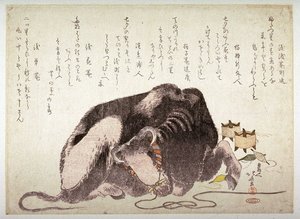
Experience the serene beauty of Katsushika Hokusai's 'Reclining Ox And Spools Of Thread,' a captivating black & white ukiyo-e print depicting playful animals amidst tranquil landscapes.
The Fuji T-1 Hatsutaka was Japan's first jet-powered trainer aircraft. Its first flight was in January 1958. A total of 66 T-1 planes were built. It was retired in March 2006. == Design and development == After World War II, Japanese aircraft industry was banned from research as well as the destruction of materials and equipment related to aircraft. In 1952, a partial ban on aircraft research wa
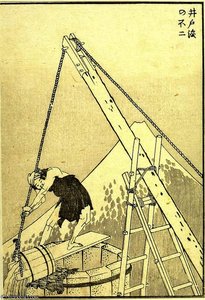
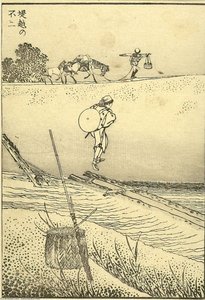
Explore Katsushika Hokusai’s ‘Fuji Over A Bank’! This monochrome woodblock print showcases Ukiyo-e style, rural life & Mt. Fuji. Discover Japanese art history.
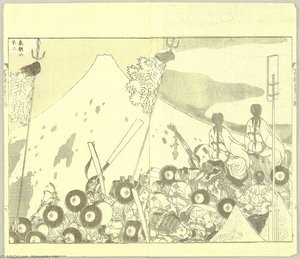
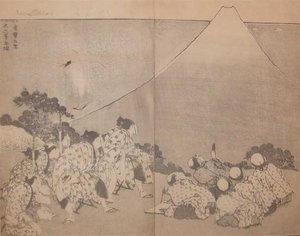
This artwork, "One Hundred Views Of Mt. Fuji - Procession," depicts a gathering of people admiring the majestic Mount Fuji under a shower of rain. Featuring detailed linework and subtle shading, it exemplifies Hokusai's signature style—a testament to Japanese artistic tradition. Delve into the captivating world of Katsushika Hokusai's "One Hundred Views Of Mt. Fuji - Procession." Admire this icon
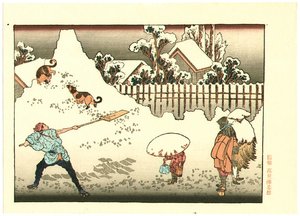
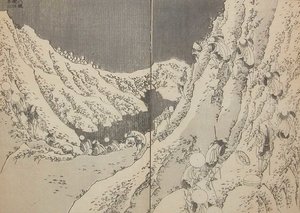
Experience the breathtaking beauty of Fuji Mountain through Hokusai’s masterful black and white landscape painting. Explore the serene snowy terrain and human presence captured in exquisite detail.
This painting, attributed to Katsushika Hokusai (1760-1849), exemplifies the artist’s masterful technique in capturing atmospheric perspective and detailed observation of nature. Known primarily for *The Great Wave off Kanagawa*, Hokusai's oeuvre encompassed a vast range of subjects—landscapes, seascapes, prints inspired by Western Impressionism, and even manga—demonstrating his adaptability and e
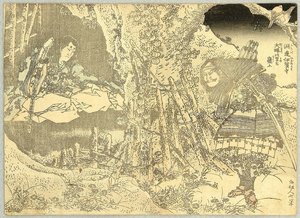
Discover 'Prince Daito' by Katsushika Hokusai – a stunning ukiyo-e masterpiece! Explore Japanese art history & acquire this captivating artwork today.
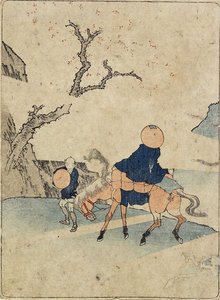
Katsushika Hokusai The image is a painting of a man riding on the back of a horse with two other people walking behind him. The scene appears to be set in a snowy landscape, as evidenced by the presence of snow on the ground and the cold atmosphere. In addition to the main subjects, there are several birds scattered throughout the painting, adding life and movement to the scene. A tree can also s
Born Nakajima Isai around 1760 in Tokyo, Hokusai’s artistic journey began early, driven by an unwavering dedication to honing his skills despite initial familial reservations. He apprenticed under Kitagawa Shunshō and later established himself as a prolific printmaker, transforming ukiyo-e from portraiture into expansive landscapes and animal studies—a legacy that profoundly influenced artists lik
Experience the serene beauty of Katsushika Hokusai's 'The Appearance Of Fuji In The Fifth Year Of Korei,' a captivating landscape painting featuring snow-capped Mount Fuji and figures amidst nature’s grandeur.
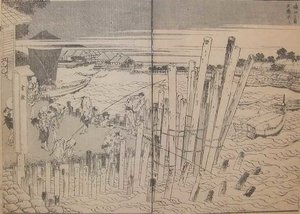
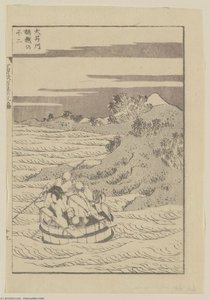
Hokusai’s ‘Viewing Mount Fuji From A Bucket Boat Going Down The River Oi.’ exemplifies his signature style—a harmonious blend of observation and expressive brushwork—capturing the essence of Edo-period Japan. This captivating woodblock print by Katsushika Hokusai depicts a serene scene featuring individuals navigating a tub along the River Oi, framed against the breathtaking backdrop of Mount Fuj
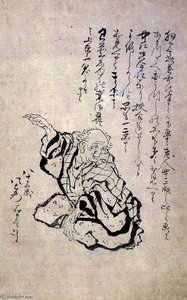
This evocative painting portrays Katsushika Hokusai, renowned for 'The Great Wave,' as an elderly man seated calmly with folded hands. Executed in the distinctive Ukiyo-E style, it embodies his enduring artistry and contemplative spirit. Delve into the poignant self-portrait by Katsushika Hokusai at eighty three – a masterful Ukiyo-e depiction capturing wisdom and reflection amidst Japan's artist
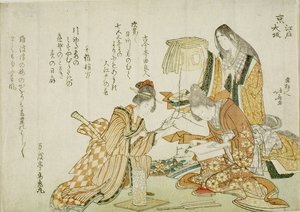
Katsushika Hokusai’s *Beauties Of The Three Cities* exemplifies the refined aesthetic sensibilities of Japan’s Edo period. Executed with meticulous detail, this painting portrays five women engaged in conversation and preparing a meal around a table adorned with traditional Chinese tableware. Horie Yorinao's masterful brushwork brings forth an atmosphere of warmth and community, reflecting Hokusai
Experience the serene beauty of Katsushika Hokusai's 'Presenting A Snow Bunny On A Tray In Front Of A Tea Shop,' a captivating woodblock print depicting a bustling tea room scene. This stunning woodblock print captures a tranquil moment in a Japanese tea room, featuring two women and a snow bunny – a symbol of good luck – presented on a tray. Presenting A Snow Bunny On A Tray In Front Of A Tea S
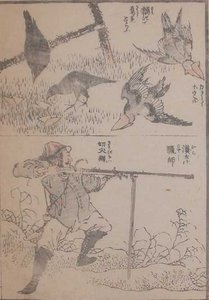
Admire a stunning reproduction of Katsushika Hokusai’s ‘Bird Hunting,’ capturing the dynamism of Edo-era Japanese art. Explore high-quality prints and custom sizes – order yours today!