Showing 24 artworks out of 27 with Katsushika Hokusai and with Landscape Print
-
Katsushika Hokusai
-
Landscape Print
Not available for this selection
- Putty
- Gray
- Rosy Brown
- Phthalo Green
- Driftwood
- Espresso
- Clay
- Khaki
Not available for this selection
- Landscape Print
- Japanese Art
- Hokusai
- Edo Period
- Ukiyo-E
- Fine Art Reproduction
- Ukiyo-E Painting
- Edo Period Art
- Woodblock Printing
- Tranquility
- Traditional Art
- Japanese Painting
- Zen Buddhism
- Traditional Japanese Art
- Japanese Art History
- Impressionism Influence
- Watercolor Painting
- Bijin-Ga
- Panoramic View
- Nineteenth Century Art
- Hokusai Artwork
- Ukiyo-E Print
- Zen Garden Aesthetic
- Prussian Blue Pigment
- Watercolor Style
- Fuji Mountain View
- Ink Wash Painting
- Japanese Tradition
- Japanese Landscape
- Serene Beauty
- Japanese Decorative Art
- Impressionist Influence
- Waterfall Painting
- Symbolism
- Floral Composition
- Ōi
- Calm Scene
- Watercolor Technique
- Bamboo Forest
- Ukiyo-E Style
- Color Palette
- Japanese Culture
- Mount Fuji
- Japanese Print
- Japanese Prints
- Autumn Scene
- Katsushika Hokusai
- Symbolic Imagery
- Serene Artwork
- Hokusai Landscape
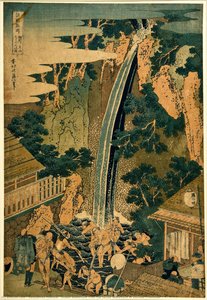
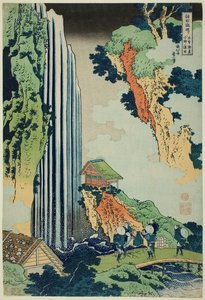
Katsushika Hokusai's *Roben Waterfalls* exemplifies Edo-period artistic innovation with Prussian blue pigment and masterful perspective, conveying nature’s dynamism and symbolizing purity through Ōyama Mountain’s cascade.
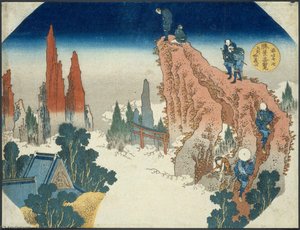
This painting, attributed to Katsushika Hokusai (1760-1849), exemplifies the artist’s signature style within the ukiyo-e tradition. Known primarily for *The Great Wave off Kanagawa*, Hokusai's oeuvre encompassed a vast range of subjects—from seascapes and landscapes like this depiction of Mount Myôgi to depictions of everyday life and manga—demonstrating his remarkable versatility. The artwork sho
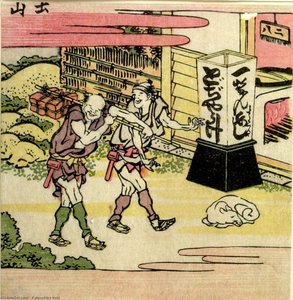
Travelers Walking: A serene Edo-period landscape print by Hokusai's daughter, Ōi, featuring two men traversing a temple path amidst rolling hills—a masterful blend of observation and vibrant Prussian blue pigment.
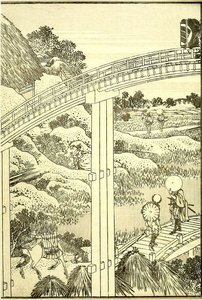
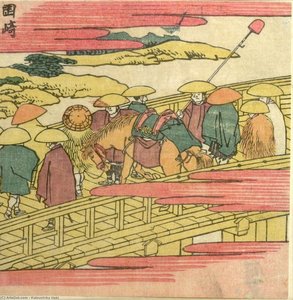
Experience Hokusai’s breathtaking vision of travelers traversing a bridge alongside majestic horses in this evocative Edo-period landscape painting – a timeless masterpiece capturing serene beauty and artistic innovation.
Katsushika Ōi (葛飾応為), daughter of the iconic Hokusai, was a prolific ukiyo-e artist celebrated for her skill in handwriting and bijin-ga paintings depicting beautiful women. Alongside her father's influence, she honed her craft under Tsutsumi Torin III, producing stunning works like "Kinuta or Beauty Fulling Cloth in the Moonlight" and "Yoshiwara Night Scene." Ōi’s legacy extends beyond her artist
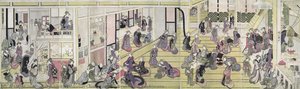
Delve into the mesmerizing world of Katsushika Hokusai's 'Interior of a Brothel in Yoshiwara,' a captivating Edo-era print showcasing vibrant social life and artistic brilliance. Explore its history & stunning reproductions.
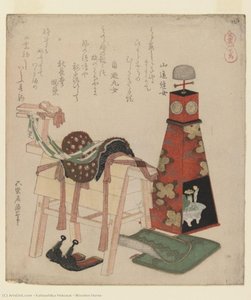
This exquisite woodblock print by Katsushika Hokusai, created around 1822, exemplifies the Ukiyo-e style. Measuring 21 x 18 cm, it’s a masterful depiction of a wooden horse adorned with fabrics resembling a saddle and other riding accessories, alongside decorative pedestal and footwear. Currently residing in the Brooklyn Museum, this artwork offers insight into Japanese cultural artifacts.
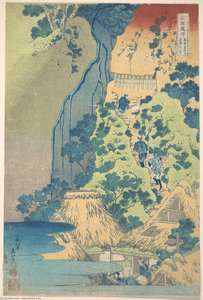
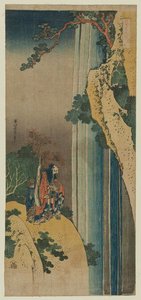
This stunning woodblock print depicts Li Bai contemplating a waterfall amidst lush greenery, embodying Hokusai’s signature style and reflecting the grandeur of Japanese art history. Explore its intricate details and vibrant colors for an immersive artistic experience. Experience the serene beauty of Katsushika Hokusai's 'Li Bai Admiring a Waterfall,' inspired by Tang poet Li Bai and capturing a t
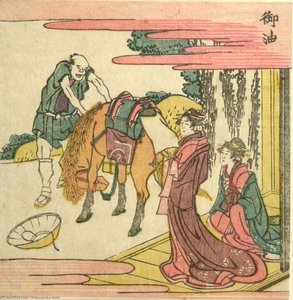
This stunning woodblock print depicts two courtesans respectfully acknowledging a man accompanied by a horse, capturing the essence of Edo period Japan. Created in 1810 by Hokusai, it exemplifies his mastery of landscape artistry and remains a celebrated masterpiece.
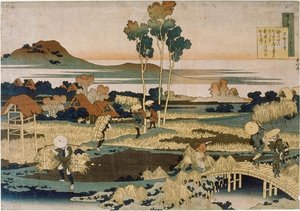
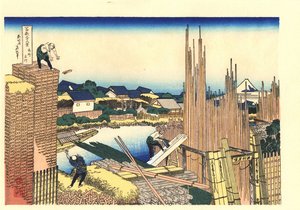
Experience the captivating beauty of Katsushika Hokusai's Honjo Tatekawa – a serene depiction of a musician amidst a Japanese village landscape, capturing the essence of Edo-era artistry.
Discover Katsushika Ōi's captivating 'Three Ladies Playing Musical Instruments,' a poignant depiction of daily life alongside her father, Hokusai. Explore this iconic bijin-ga masterpiece and its influence on Japanese art history.
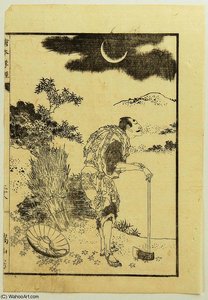
This artwork, titled "Wood Cutter and the Moon," was created by Katsushika Hokusai around 1830s. It exemplifies his masterful use of ink wash technique to capture a tranquil nighttime landscape featuring a woodcutter gazing upwards at the moon. Published by Artelino (artelino.com), this print showcases Hokusai's signature style and remains one of his most celebrated compositions. The British Muse
Discover "Appearance of Hoeizan" by Katsushika Hokusai! Admire this iconic ukiyo-e masterpiece – a vibrant glimpse into Edo period Japan. Explore art history & timeless beauty.
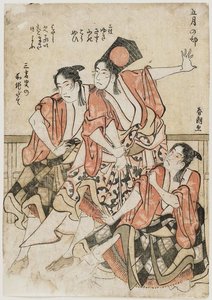
Katsushika Hokusai’s ‘A Dashing Sanbasô Dance Play,’ created in 1793, exemplifies the dynamism of Edo period ukiyo-e art. This print depicts a spirited Niwaka festival dance scene featuring performers adorned in striking red costumes and intricate choreography. Published by Tsutaya Jűzaburô, it showcases Hokusai’s masterful use of bold lines and vibrant colors to convey movement and excitement—a h
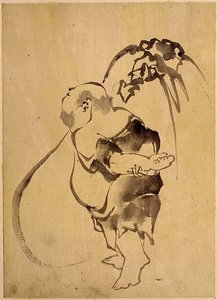
Explore Katsushika Hokusai’s ‘Hotei’ – a serene black & white ink wash painting of the good fortune god. Admire its Sumi-e style, dynamic lines & symbolic depth. A timeless Japanese masterpiece. This artwork showcases Hokusai's signature style, blending meticulous detail with expressive brushstrokes to convey a profound sense of tranquility and spiritual contemplation. Inspired by Buddhist iconog
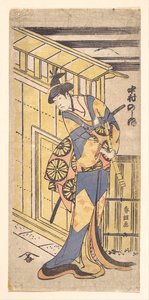
This exquisite woodblock print by Katsushika Hokusai depicts Nakamura Noshio II in a dramatic pose as a Chinese princess, showcasing masterful composition and color palettes characteristic of Edo-period art. The scene unfolds within a stylized architectural backdrop reminiscent of traditional Japanese theater stages, emphasizing the artist's keen observation of both performance and visual aestheti
Explore Katsushika Hokusai's masterpiece, 'One View with Seven Bridges,' capturing Mount Fuji amidst serene autumn scenery—a stunning testament to Japanese landscape art and printmaking.
This artwork is a captivating depiction of Mount Fuji viewed from Sasayedo Platform at Rakanji Temple, originating from Hokusai's celebrated 'Thirty-six Views of Mount Fuji' series. Published in the early 20th century, this print showcases a panoramic vista featuring pilgrims and visitors admiring the majestic mountain from a temple balcony. Utilizing Prussian blue ink for outlines and gray-black
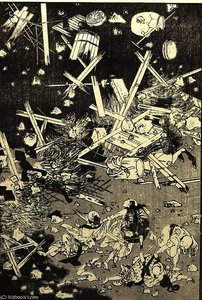
Experience the breathtaking beauty of Katsushika Hokusai's 'Gods In Hell,' a captivating landscape print capturing the essence of Japanese artistry and exploration. Discover more!