Showing 24 artworks out of 26 with Katsushika Hokusai and with Mount Fuji Landscape
-
Katsushika Hokusai
-
Mount Fuji Landscape
Not available for this selection
- Putty
- Rosy Brown
- Espresso
- Phthalo Green
- Gray
- Driftwood
- Khaki
- Mount Fuji Landscape
- Japanese Art
- Fine Art Reproduction
- Hokusai Masterpiece
- Edo Period Art
- Impressionist Influence
- Landscape Painting
- Ukiyo-E Painting
- Japanese Prints
- Symbolic Imagery
- Nineteenth Century Art
- Ukiyo-E Print
- Japanese Culture
- Katsushika Hokusai
- Edo Period Painting
- Ukiyo-E Prints
- Panoramic View
- Woodblock Printing
- Fine Art Print
- Fine Wind Clear Morning
- Scenic View
- Hokusai Print
- Woodblock Printing Technique
- Classic Japanese Art
- Japanese Woodblock Print
- Bijin-Ga
- Female Portraiture
- Ukiyo-E Style
- Japanese Impressionism
- Traditional Japanese Art
- Serene Composition
- Japanese Watercolor
- Art Deco Influence
- Japanese Tradition
- Impressionist Style
- Ukiyo-E Art Style
- Zen Garden Aesthetic
- Traditional Japanese
- Serene Beauty
- Botanical Illustration
- Cherry Blossom Painting
- Landscape Composition
- Floral Composition
- Zen Landscape
- Ukiyo-E Printmaking
- Dramatic Composition
- Ukiyo-E Artwork
- Zen Garden Inspiration
- Japanese Art Prints
- Classical Japanese Art
Katsushika Ōi (葛飾 応為, c. 1800 – c. 1866), also known as Ei (栄; or O-Ei (お栄) with the honorific prefix) or Ei-jo (栄女; lit. 'woman Ei'), was a Japanese ukiyo-e artist of the early 19th century Edo period. She was a daughter of Hokusai from his second wife.
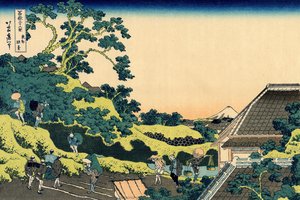
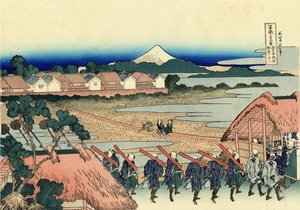
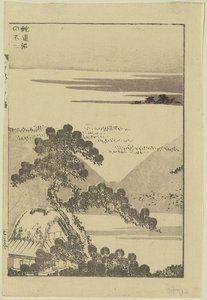
A serene landscape featuring travelers traversing a mountain pass under the gaze of Mount Fuji by ukiyo-e master Katsushika Hokusai, offering a timeless piece of Japanese history to bring into your collection.
Katsushika Ōi (葛飾 応為, c. 1800 – c. 1866), also known as Ei (栄; or O-Ei (お栄) with the honorific prefix) or Ei-jo (栄女; lit. 'woman Ei'), was a Japanese ukiyo-e artist of the early 19th century Edo period. She was a daughter of Hokusai from his second wife. Ōi was an accomplished painter who also worked as a production assistant to her father. She studied under Tsutsumi Torin III (1789–1830) who was
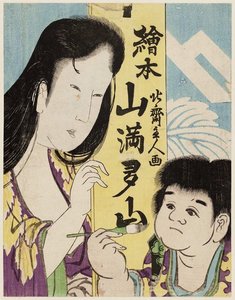
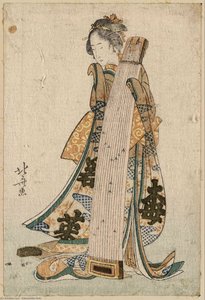
Katsushika Ōi (葛飾 お栄), born around 1800 and died c. 1866, was a prolific Japanese ukiyo-e artist who served as an apprentice to her renowned father, Katsushika Hokusai. Known for her exquisite bijin-ga paintings depicting beautiful women—such as ‘Yoshiwara Night Scene’ and ‘Beauty of Spring Night’—Ōi achieved considerable acclaim during the Edo period. Her artistic journey was marked by collaborat
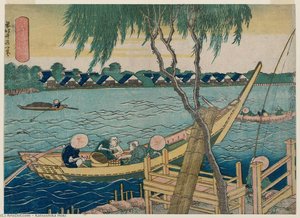
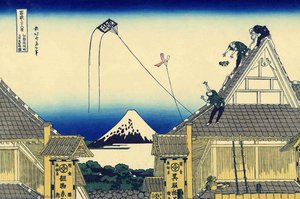
Captured in breathtaking detail during Edo Period Japan, Katsushika Hokusai’s ‘Mitsui Shop on Suruga Street in Edo’ portrays a vibrant village scene dominated by Mount Fuji's majestic presence—a timeless masterpiece inviting you to explore its serene beauty.
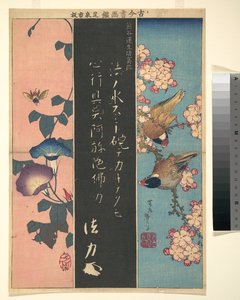
Katsushika Hokusai Bird And Flower A Life Etched in Ink: The World of Katsushika Hokusai Hokusai, a name synonymous with Japanese art and the iconic image of *The Great Wave off Kanagawa*, was far more than just a printmaker. Born in Edo (modern-day Tokyo) around 1760, his life was a restless pursuit of artistic mastery, a constant evolution marked by shifting names and an insatiable curiosity.
Katsushika Ōi (1800–1866) was a Japanese ukiyo-e artist renowned for her exquisite bijin-ga paintings alongside her father, Katsushika Hokusai. Collaborating with him and mastering calligraphy, Ōi produced celebrated pieces reflecting the beauty of women and capturing the spirit of Edo Japan. Explore Katsushika Ōi's captivating bijin-ga paintings and her role as Hokusai’s assistant, showcasing th
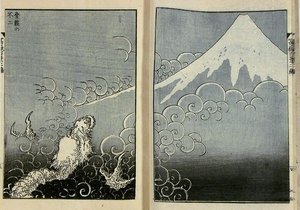
'Dragon ascending Mount Fuji' by Katsushika Hokusai exemplifies ukiyo-e artistry, showcasing dynamic landscapes and symbolic imagery. Explore its influence on Western art and delve into the life of this influential Japanese master. Experience the majesty of Mount Fuji through Katsushika Hokusai’s iconic ‘Dragon ascending Mount Fuji,’ a masterful woodblock print capturing Japan's Edo period beauty
Katsushika Hokusai (葛飾 北斎; c. 31 October 1760 – 10 May 1849), known mononymously as Hokusai, was a Japanese ukiyo-e artist of the Edo period, active as a painter and printmaker. His woodblock print series Thirty-Six Views of Mount Fuji includes the iconic print The Great Wave off Kanagawa. Hokusai was instrumental in developing ukiyo-e from a style of portraiture largely focused on courtesans and
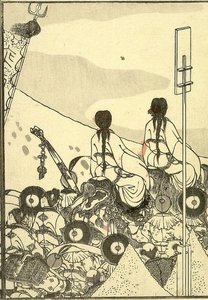
Katsushika Hokusai Tokyo Japan 1760 1849 The image is a painting of two people sitting on the backs of horses in front of a crowd of people. The scene appears to be set in ancient times, as evidenced by the clothing and hairstyles of the individuals involved. One person is seated on the left side of the image, while the other is positioned more towards the center. There are several other peop
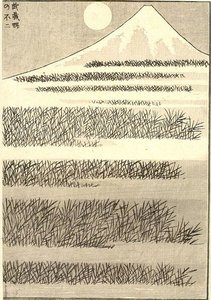
This stunning depiction showcases Mount Fuji framed by a tranquil field of grass, accompanied by two smaller peaks—a testament to Hokusai’s enduring influence on Japanese art. Experience the serene beauty of Mount Fuji through Hokusai's masterful woodblock print, 'Fuji Through A Partition,' capturing a breathtaking panoramic view of Japan’s iconic volcano and surrounding landscape.
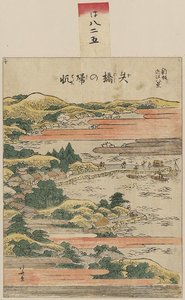
This captivating woodblock print depicts a tranquil coastal scene featuring sailboats returning to harbor against the backdrop of towering mountains. Created by Katsushika Hokusai in 1802 as part of his celebrated ‘Thirty-Six Views of Mount Fuji’ series, it exemplifies Hokusai's masterful observation of nature and artistic innovation. Admire Katsushika Hokusai's 'Returning Sails at Yabase,' a stu
Experience the serene beauty of Katsushika Hokusai's 'Boy Viewing Mount Fuji,' a masterpiece capturing tranquility and reverence for Japan’s iconic peak. Explore its rich symbolism and artistic innovation.
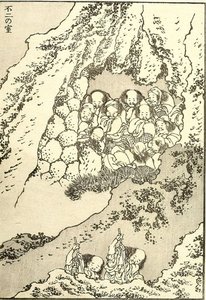
Explore Katsushika Hokusai's iconic "Rock Shelter on Fuji," a masterpiece of ukiyo-e art capturing serene beauty and reflecting influences from Impressionism & Vincent van Gogh. The image is a painting of a group of people in a cave or rock shelter. The people appear to be sitting on the ground, possibly meditating or resting. There are several individuals visible within the scene, with some clos
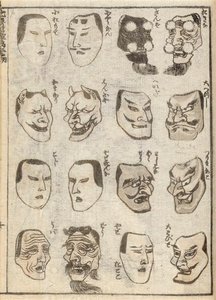
Hokusai This JSON response provides a concise meta description for the artwork, highlighting its significance as an illustration of Hokusai's style and influence. It emphasizes the visual appeal of 'Manga Vol. 6,' referencing Japanese cultural elements like masks and horses, and summarizing its artistic merit. Explore Katsushika Hokusai's iconic 'Manga Vol. 6,' inspired by Japanese culture and f
Experience the breathtaking beauty of Mount Fuji through Katsushika Hokusai’s masterful depiction – ‘Snake Chasing Mount Fuji.’ Explore this captivating landscape painting and discover its symbolic significance.
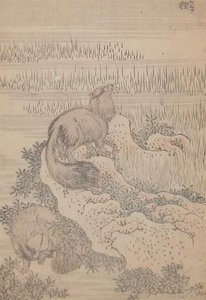
Experience the serene beauty of Japanese landscape art with a stunning reproduction of Katsushika Hokusai’s ‘Raccoons.’ Explore the masterful detail and evocative atmosphere captured in this iconic print.