Showing 12 artworks out of 36 with Katsushika Hokusai and with Nineteenth Century Art
-
Katsushika Hokusai
-
Nineteenth Century Art
Not available for this selection
- Putty
- Gray
- Rosy Brown
- Espresso
- Khaki
- Phthalo Green
- Prussian Blue
- Sea Green
- Driftwood
- White
Not available for this selection
- Nineteenth Century Art
- Japanese Art
- Landscape Painting
- Ukiyo-E Print
- Fine Art Reproduction
- Woodblock Printing
- Mount Fuji
- Hokusai Masterpiece
- Japanese Painting
- Ukiyo-E Painting
- Bijin-Ga
- Scenic View
- Watercolor Technique
- Female Portraiture
- Hokusai
- Japanese Culture
- Mount Fuji Landscape
- Impressionism Influence
- Impressionist Influence
- Mount Fuji Views
- Katsushika Hokusai
- Panoramic View
- Traditional Japanese Style
- Japanese Tradition
- Hokusai Painting
- Japanese Landscape
- Traditional Art
- Fine Art Print
- Zen Buddhism
- Serene Composition
- Edo Period Art
- Japanese Impressionism
- Traditional Japanese Art
- Fine Art Prints
- Ukiyo-E Printmaking
- Landscape Art
- Japanese Prints
- Waterfall Landscape
- Tokyo National Museum
- Landscape Composition
- Iconic Artwork
- Woodblock Print
- Ukiyo-E Art
- Japanese Folklore
- Landscape Prints
- Zen Landscape
- Hokusai Prints
- Great Wave Kanagawa
- Landscape Print
- Floral Painting
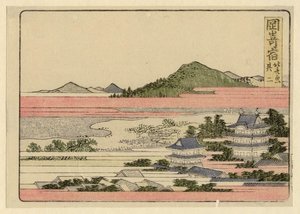
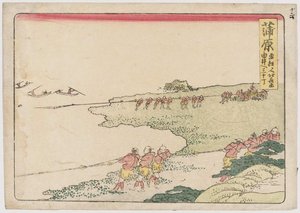
Katsushika Hokusai’s “Okazaki Station” exemplifies his mastery of landscape painting within the Tokaido series. This evocative depiction showcases a picturesque view of Okazaki, featuring a prominent waterway dotted with boats and populated by people enjoying the scenery, framed against a majestic mountain backdrop. Published circa 1806, this print reflects Hokusai’s meticulous attention to detail
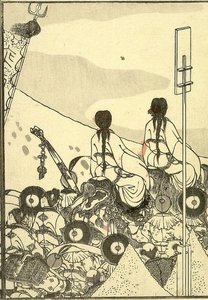
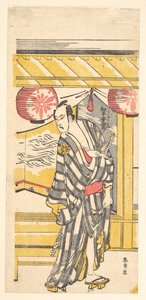
Katsushika Hokusai Tokyo Japan 1760 1849 The image is a painting of two people sitting on the backs of horses in front of a crowd of people. The scene appears to be set in ancient times, as evidenced by the clothing and hairstyles of the individuals involved. One person is seated on the left side of the image, while the other is positioned more towards the center. There are several other peop
The Fuji T-1 Hatsutaka was Japan's first jet-powered trainer aircraft. Its first flight was in January 1958. A total of 66 T-1 planes were built. It was retired in March 2006. == Design and development == After World War II, Japanese aircraft industry was banned from research as well as the destruction of materials and equipment related to aircraft. In 1952, a partial ban on aircraft research wa
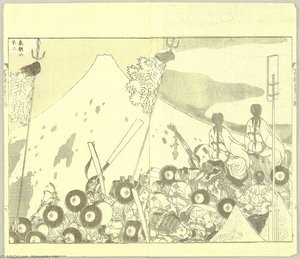
This artwork, "One Hundred Views Of Mt. Fuji - Procession," depicts a gathering of people admiring the majestic Mount Fuji under a shower of rain. Featuring detailed linework and subtle shading, it exemplifies Hokusai's signature style—a testament to Japanese artistic tradition. Delve into the captivating world of Katsushika Hokusai's "One Hundred Views Of Mt. Fuji - Procession." Admire this icon
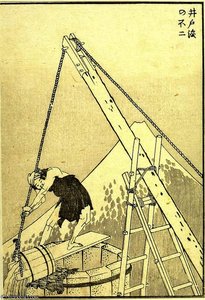
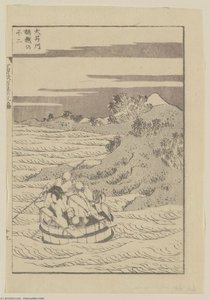
Hokusai’s ‘Viewing Mount Fuji From A Bucket Boat Going Down The River Oi.’ exemplifies his signature style—a harmonious blend of observation and expressive brushwork—capturing the essence of Edo-period Japan. This captivating woodblock print by Katsushika Hokusai depicts a serene scene featuring individuals navigating a tub along the River Oi, framed against the breathtaking backdrop of Mount Fuj
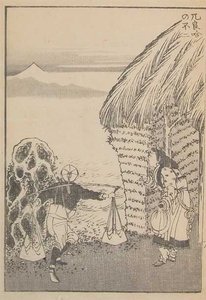
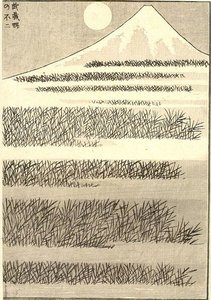
This stunning depiction showcases Mount Fuji framed by a tranquil field of grass, accompanied by two smaller peaks—a testament to Hokusai’s enduring influence on Japanese art. Experience the serene beauty of Mount Fuji through Hokusai's masterful woodblock print, 'Fuji Through A Partition,' capturing a breathtaking panoramic view of Japan’s iconic volcano and surrounding landscape.
Experience the serene beauty of Katsushika Hokusai's 'Fuji From Orankai,' a captivating woodblock print from his iconic 'One Hundred Views of Mount Fuji.' Explore Japanese art history and its influence!
Experience the serene beauty of Katsushika Hokusai's 'Boy Viewing Mount Fuji,' a masterpiece capturing tranquility and reverence for Japan’s iconic peak. Explore its rich symbolism and artistic innovation.
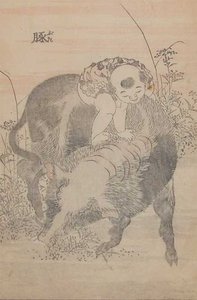
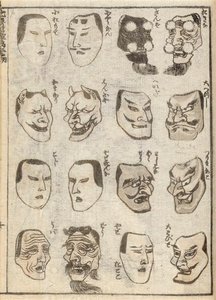
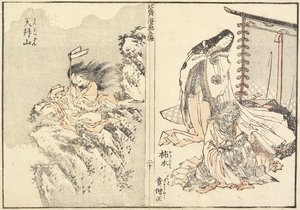
Hokusai This JSON response provides a concise meta description for the artwork, highlighting its significance as an illustration of Hokusai's style and influence. It emphasizes the visual appeal of 'Manga Vol. 6,' referencing Japanese cultural elements like masks and horses, and summarizing its artistic merit. Explore Katsushika Hokusai's iconic 'Manga Vol. 6,' inspired by Japanese culture and f
Hokusai’s work emerged during the Edo period, a time marked by significant social and economic transformations in Japan. The burgeoning interest in travel fueled demand for depictions of scenic landscapes like Mount Fuji, prompting Hokusai to create his iconic series. His artistic innovations profoundly impacted European artists of the late 19th century (Japonisme), notably Van Gogh and Monet, wh